Dreame L40 Ultra Gen 2 Review: Good for Tidy Homes
The L40 Ultra Gen 2 combines extending cleaning tools with automatic pad care. It suits tidy homes with frequent mopping, but obstacle avoidance and hair handling are weak points.
The Dreame L40 Ultra Gen 2 is worth considering if you want regular mopping and less pad maintenance, and can keep its cleaning route clear. Its extending brush and mop, all-in-one dock, 25,000 Pa suction rating and 5,200 mAh battery cover a useful range of chores. Obstacle avoidance and hair handling are its main weaknesses, making cluttered floors and heavy-shedding pets less suitable matches.
In a home with clear walkways, sealed hard floors and some rugs, the appeal is fewer dustbin trips and less manual pad washing. Dreame advertises up to 231 minutes of vacuuming in Quiet Mode and up to 100 days between dust-bag changes, both under laboratory conditions. Neither figure describes how long you can leave the whole system unattended.
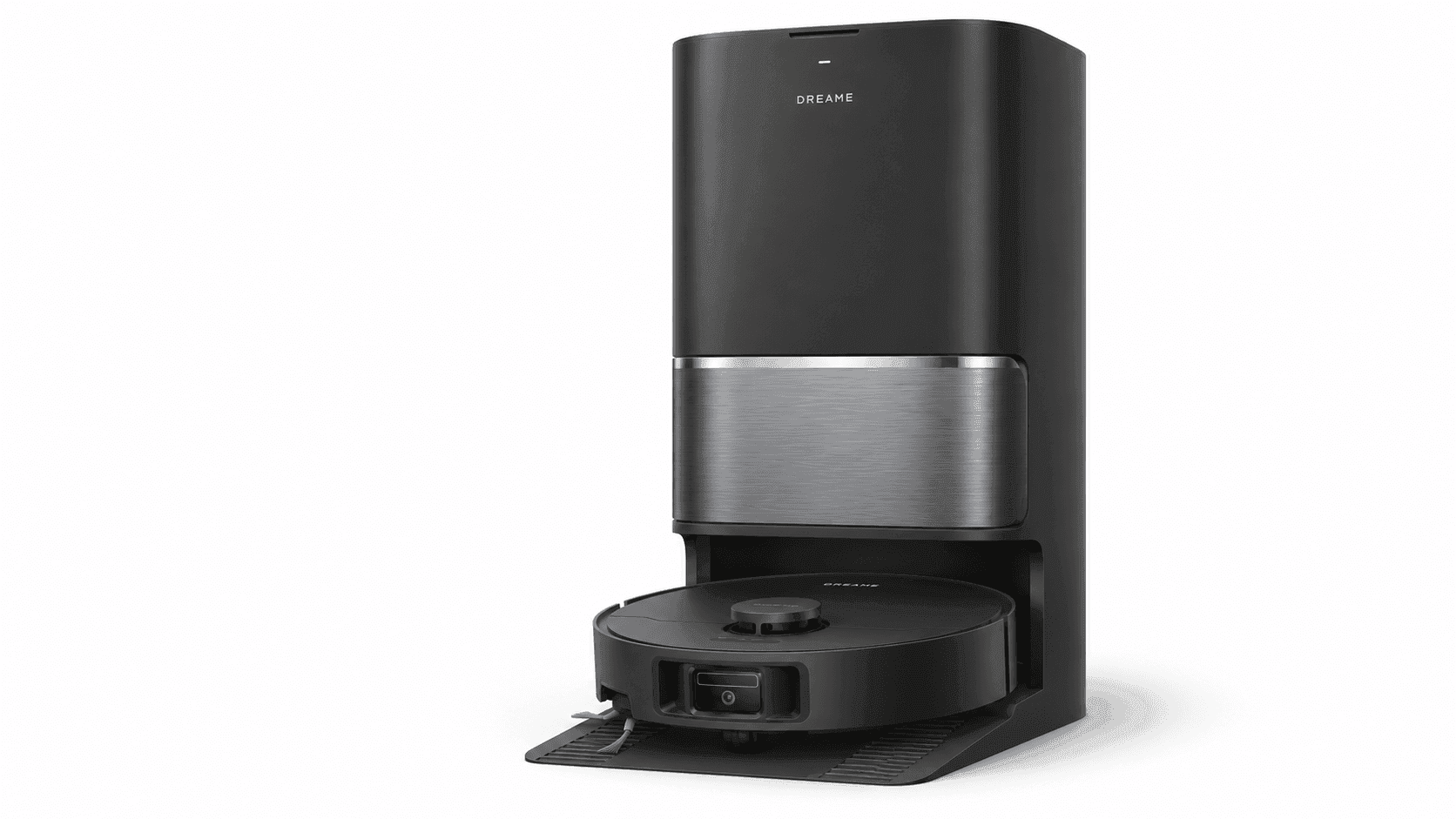
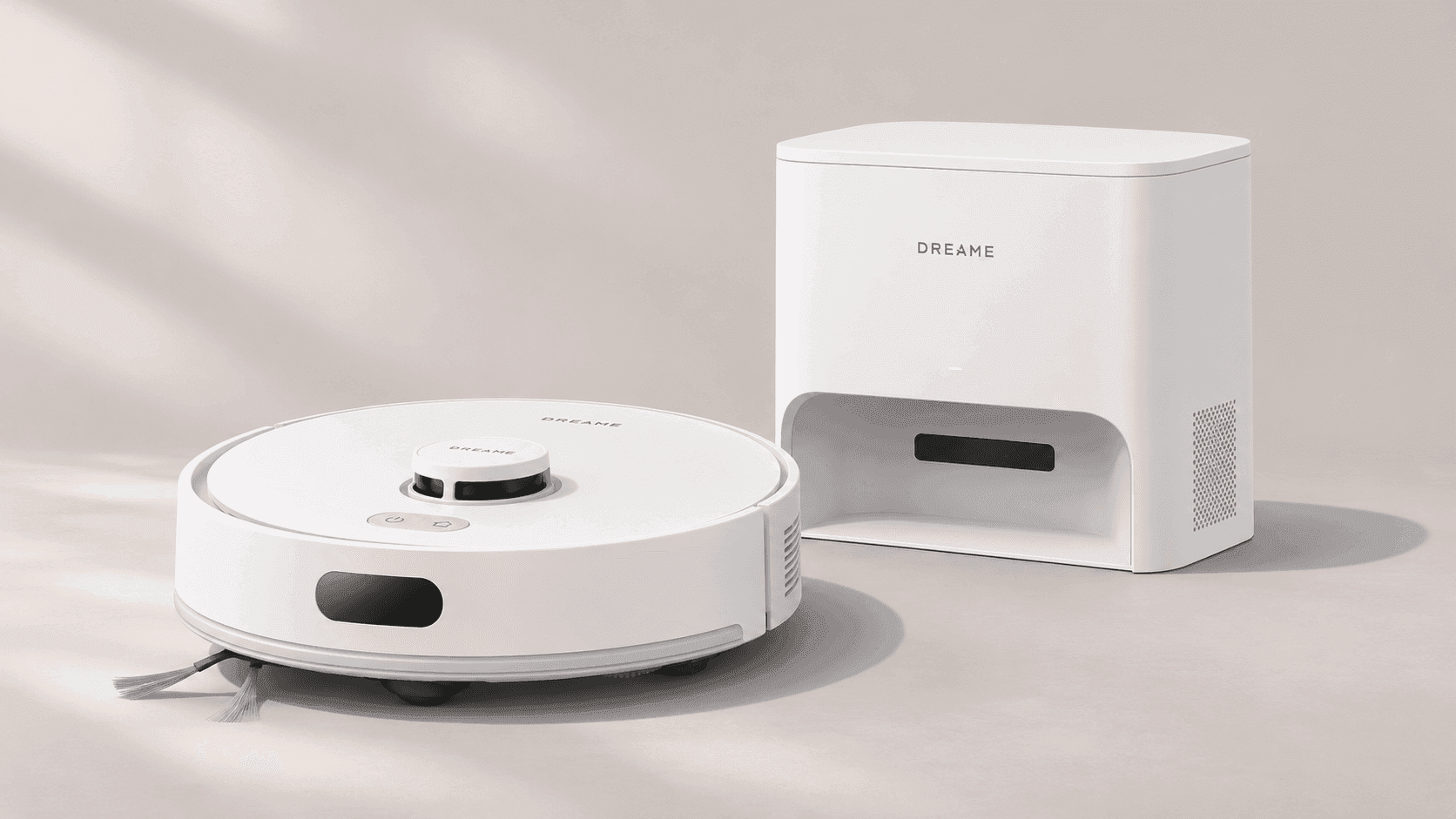
The dock washes and hot-air dries the pads, empties dust and replenishes the robot's water supply. An extending mop also reaches toward floor edges. You still refill tanks, dispose of dirty water, clean working parts and plan around thick rugs. Those remaining jobs matter more to ownership than the suction rating alone.
Some links in this article are affiliate links, which helps support GadgetPickr at no extra cost to you.
The Quick Take
Choose this model for frequent hard-floor mopping in a home with clear walkways. Extending brush and mop hardware improve its reach, while the dock handles dust collection and pad care. Look elsewhere if cords, toys or heavy pet shedding are part of the daily workload: independent reviews identify obstacle avoidance and hair handling as weaknesses.
Verdict
The Dreame L40 Ultra Gen 2 is a conditional buy for tidy homes with plenty of hard flooring. Its dock takes over dust emptying, pad washing, drying and robot water refilling, while extending cleaning tools improve access to edges. Frequent mopping gives those features a clear purpose.
Cluttered routes and heavy shedding weaken the recommendation. Independent findings on obstacle avoidance and hair handling outweigh the appeal of the suction rating for those households. Thick rugs also require planning because the pads lift 10.5 mm and cannot detach automatically.
Buy it when you can keep the route clear and will use the mopping system regularly. The payoff is less pad handling after routine cleaning. If avoiding scattered objects is the priority, put sensing performance ahead of a higher suction claim.
Dreame L40 Ultra Gen 2
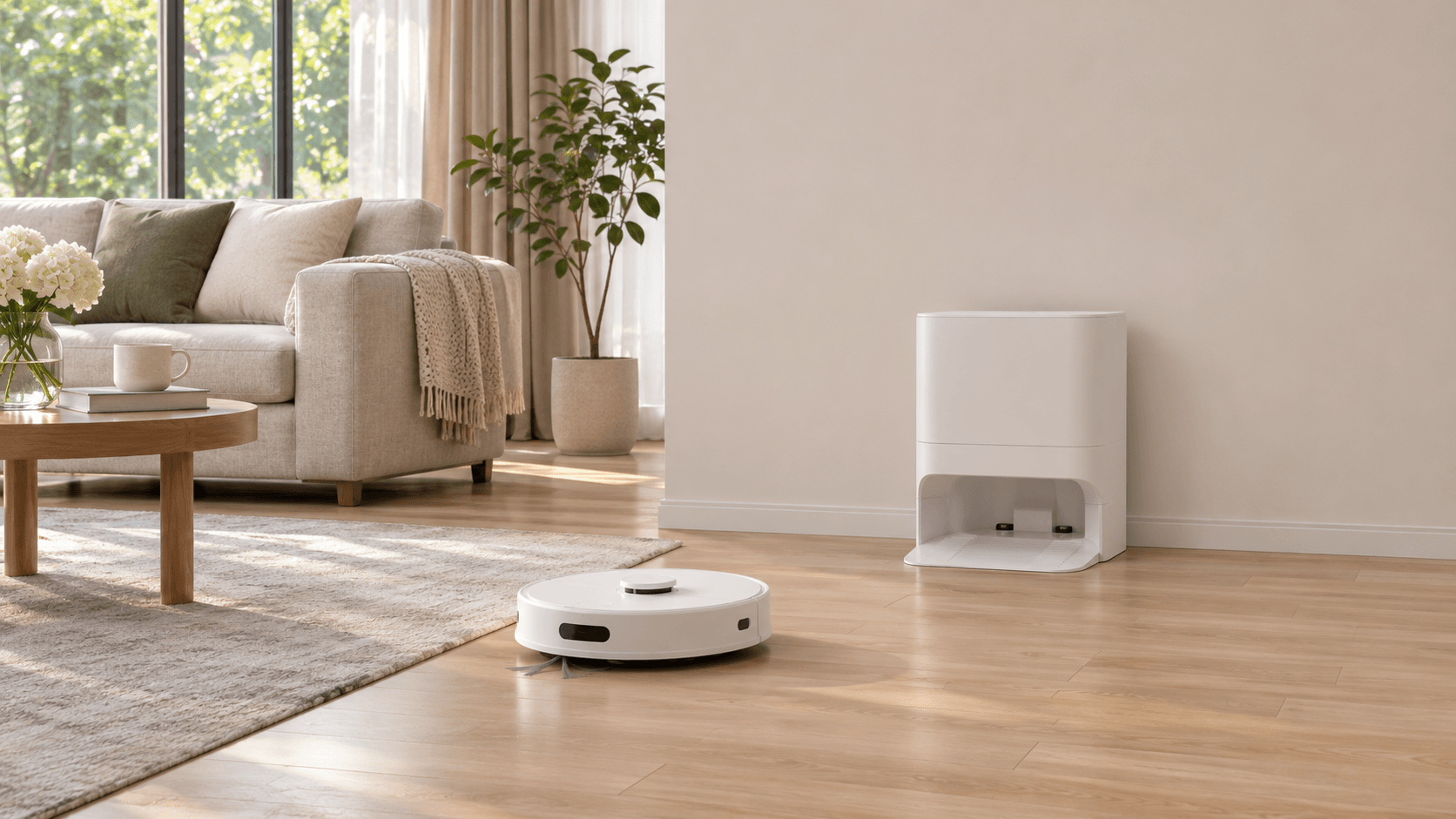
Best for routine hard-floor mopping and mixed-floor cleaning in homes with clear walkways and an accessible spot for a full-size dock.
A mid-range vacuum-and-mop system with ongoing bag and pad costs.
Dreame L40 Ultra Gen 2 Review: Product Overview
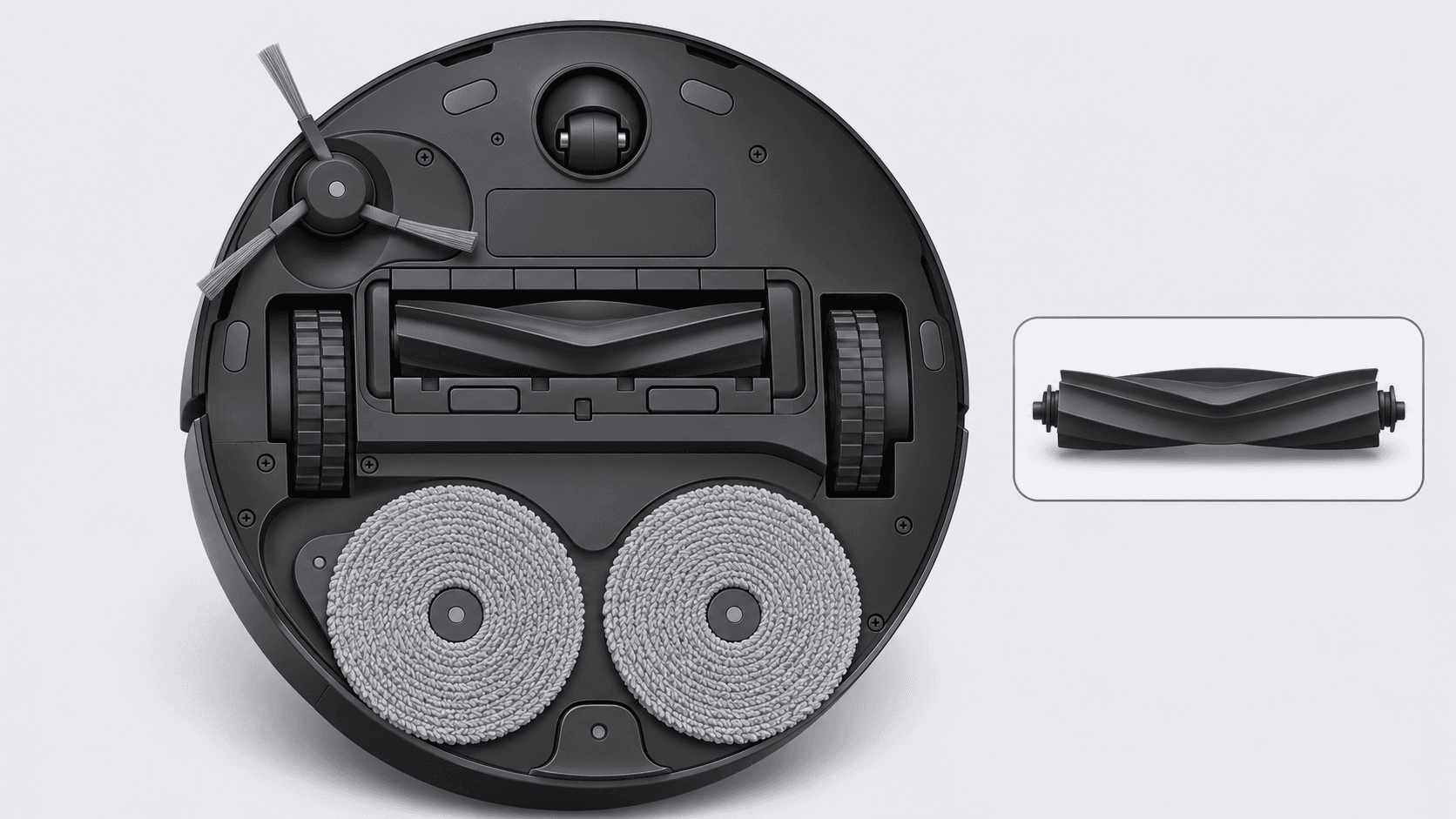
The robot uses a rubber main brush, an extending side brush and two rotary mop pads. Dreame rates maximum suction at 25,000 Pa. That pressure figure cannot tell you how well the brush lifts flattened fur or whether the robot covers a room thoroughly; brush contact and routing also affect the result.
The two extending tools serve different purposes. The side brush sweeps loose debris toward the vacuum's path, while the mop arm moves a rotating pad closer to the perimeter. Both address the gap a circular robot can leave around cabinetry, walls and furniture legs.
The mop assembly lifts by 10.5 mm over carpets. Thicker pile can still touch damp pads, and this model cannot automatically leave its mops at the station. Set carpet rules and exclusion zones around your actual rugs rather than treating the lift as universal protection.
Navigation combines a top-mounted LDS laser scanner with front-facing 3D structured-light sensing, marketed as Smart Pathfinder and 3DAdapt. Mapping and object detection are separate tasks: knowing where a room ends does not ensure the robot spots a cable across its route. Dreame's manual asks owners to remove cables, cloths and toys before cleaning.
Check the installation space before ordering. Manufacturer dimensions are 13.78 × 13.78 × 3.82 inches for the robot and 17.99 × 13.39 × 23.23 inches for the station. The dock also needs overhead room for tank removal and a clear approach, so an opening that fits the cabinet dimensions may still be impractical.
Dust, water and brush maintenance follow different schedules. The bag may fill slowly while the dirty-water tank needs emptying much sooner. Wrapped hair can need attention before either one is full. A long bag-replacement estimate therefore tells you little about the frequency of other upkeep.
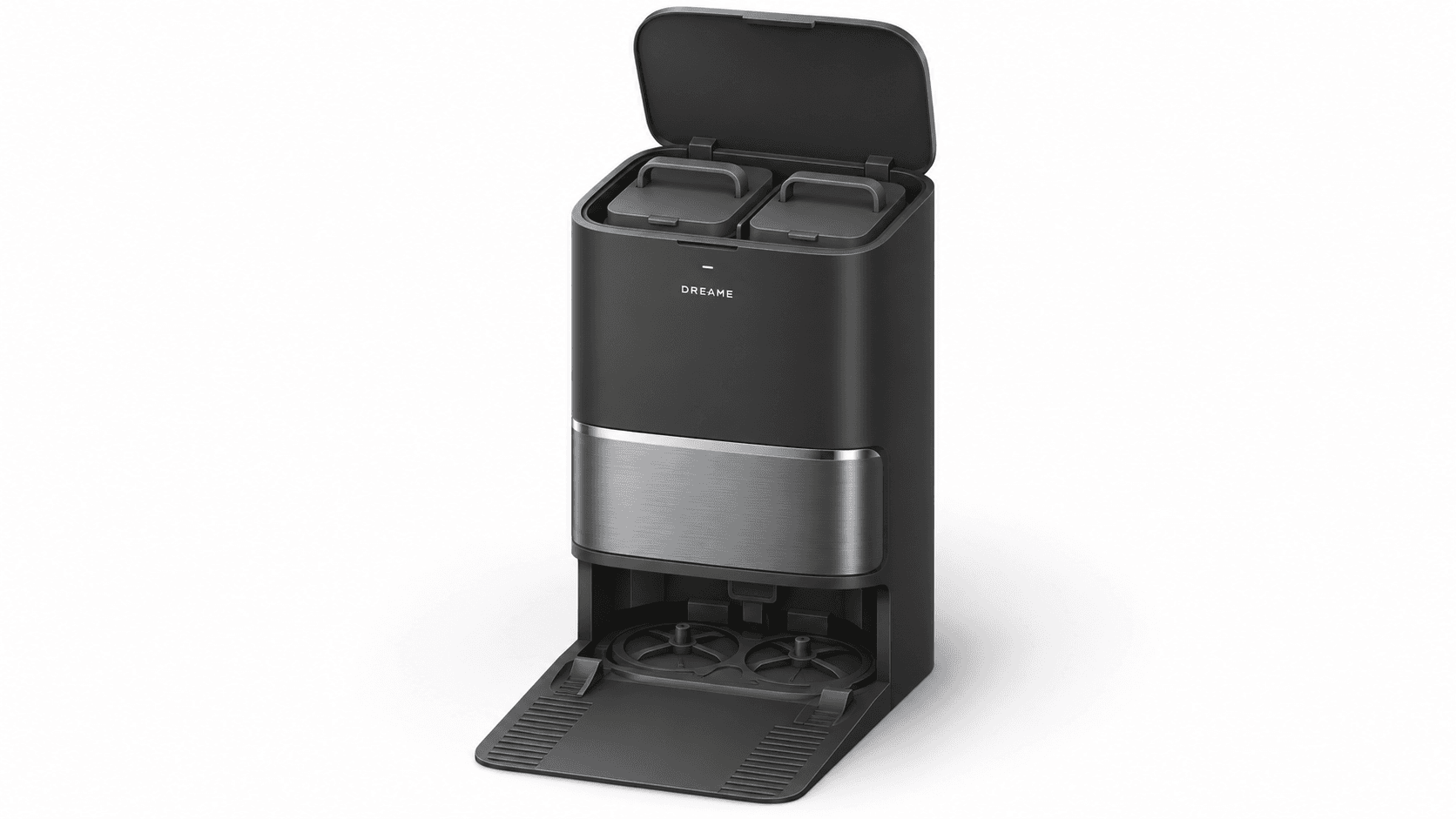
The PowerDock collects debris in a 3.2-liter bag, washes and hot-air dries the pads, and refills the robot's water box. Automatic detergent dispensing requires a separately purchased dispenser. Without it, add approved solution to the clean-water tank according to the manufacturer's instructions.
Key Specs and Compatibility
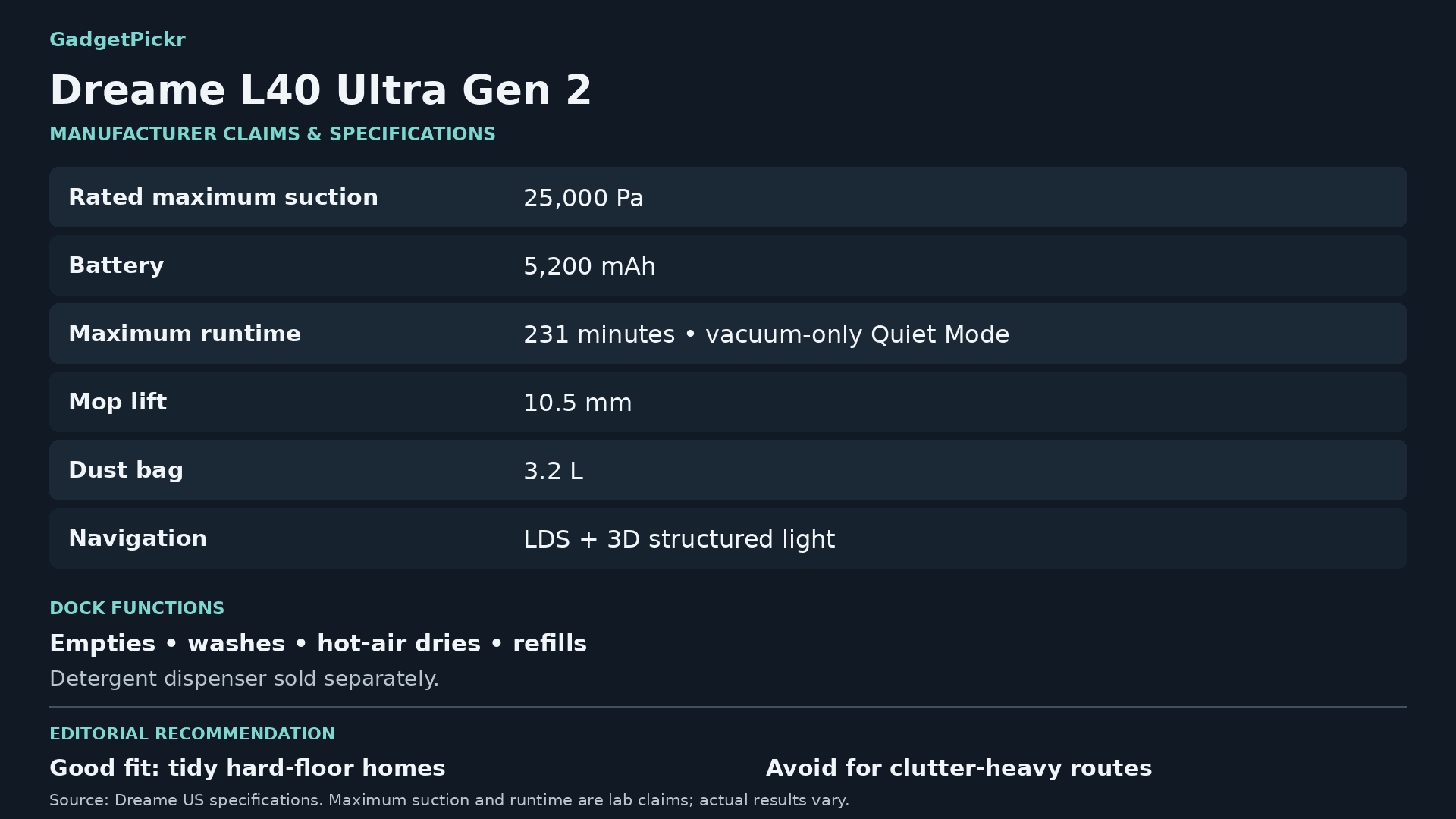
These specifications apply to the L40 Ultra Gen 2. The runtime maximum is for quiet vacuuming, while the bag-replacement interval is a separate manufacturer usage estimate.
Specification
Value
Suction Power
25,000 Pa maximum, manufacturer-rated
Battery Capacity
5,200 mAh lithium-ion
Maximum Runtime
Up to 231 minutes, vacuum-only Quiet Mode
Mop Lift Clearance
10.5 mm; no automatic mop removal
Dust Bag Capacity
3.2 L; up to 100 days under manufacturer lab conditions
Mopping Mechanism
DuoScrub dual rotary mops
Edge Cleaning Hardware
Extendable side brush and rotary mop arm
Navigation Architecture
Smart Pathfinder LDS laser navigation
Obstacle Avoidance System
3DAdapt, 3D structured light
Robot Dimensions
13.78 × 13.78 × 3.82 inches
Dock Station Height
23.23 inches
Base Station Functions
Dust emptying, pad washing, hot-air drying, robot water refill; detergent dispenser sold separately
The Dreamehome app provides control over Wi-Fi, with compatible Alexa, Google Home and Siri voice-control integrations. Voice commands require the appropriate third-party device or service. Spend time on room schedules and carpet rules during setup; those settings determine how useful the routine becomes.
What Stands Out
The extending hardware is worth more attention than the headline suction figure. Moving a brush or pad outward changes where it can clean. With both tools extending, this model has a practical way to reach closer to boundaries than fixed hardware allows.
Its spinning pads rotate against the floor, return to the station for washing and dry there after cleaning. For a kitchen or hallway that needs frequent light mopping, automatic pad care removes a recurring reason to postpone the next run.
Check that your floors tolerate wet cleaning, then choose water settings that follow the flooring manufacturer's guidance. Wood and laminate deserve particular care. Scheduled upkeep is useful only when the cleaning method suits the surface.
Vacuum Wars reported strong embedded-debris removal from carpet and above-average mopping, alongside weaker flattened pet-hair pickup. Those findings help explain why the suction rating is an incomplete guide: collecting grit and lifting fur are different challenges.
The app lets you schedule rooms and adjust cleaning settings and carpet strategies. That makes targeted work practical, such as a kitchen clean after dinner, without applying the most demanding settings throughout the home. Match the routine to the dirt you expect in each area.
The station combines a 3.2-liter dust bag, automatic robot water refilling, pad washing and hot-air drying. Dreame's up-to-100-day bag estimate comes from laboratory conditions. Tank refills, dirty-water disposal, brush checks and wash-area cleaning still need separate attention.
Strengths
Mixed-floor homes benefit from carpet detection, adjustable cleaning rules and mop lifting. You can identify rooms for wet cleaning and exclude areas that should stay dry. Low-pile rugs fit this arrangement more comfortably than deep shag, where the lifting mechanism offers less clearance above the fibers.
Along baseboards, the side brush gathers loose material while the mop reaches toward the floor edge. Their extending mechanisms give them greater physical reach than fixed tools. Corners still deserve inspection, but the hardware addresses a real limitation of a circular cleaning body.
The dock is the main convenience. Dust emptying, pad washing, drying and robot water replenishment reduce the jobs left after a run. If manual pad care has kept you from using robot mopping regularly, this package directly addresses that problem.
For larger layouts, room scheduling and recharge-and-resume are more useful planning tools than the longest advertised runtime. The 231-minute maximum applies to vacuum-only Quiet Mode. Stronger suction and combined wet cleaning should be treated as different workloads.
Bagged collection reduces how often you handle debris from the robot's bin, while reusable pads provide a washable mopping surface. That arrangement suits an owner who wants less daily handling and is willing to inspect and clean the equipment regularly.
Weaknesses
Obstacle avoidance is the clearest reason to hesitate. Vacuum Wars reported that the robot avoided only 2 of 24 objects in its course, and Just A Dad Approved described interruptions around furniture. Those findings make it difficult to recommend for routes scattered with shoes, charging leads and pet toys.
Heavy shedding is another concern. Vacuum Wars found weak flattened-hair pickup and substantial long-hair wrapping around the standard brush. Dreame offers an optional TriCut brush, but its availability does not establish that it resolves those results. Expect brush inspection and hair removal to remain part of ownership.
Physical fit also needs checking. The 3.82-inch robot cannot enter gaps lower than its body, and the 23.23-inch station needs extra space above for tank removal. A useful dock location must be accessible, with an open approach and room to service it.
The mops stay attached during carpet cleaning. Their 10.5 mm lift cannot guarantee separation from plush fibers, so thick rugs need deliberate exclusions or a different cleaning strategy. A system with automatic pad removal would address that requirement differently.
Bags, pads, brushes and approved cleaning solution remain ongoing costs. Automatic detergent dosing requires another purchase. If you rarely mop, consider whether maintaining the tanks and wet-cleaning parts is worth the convenience.
This version has no camera-assisted object recognition. The original L40 Ultra and L40s Ultra AE use different sensing hardware, despite the similar names. Check the full model name when comparing features or reading reviews.
Endurance also depends on how the robot spends its time. The advertised 231 minutes applies to quiet vacuuming, not every cleaning mode. Stronger suction, wet cleaning and interrupted routes change what it can finish in one session.
Best Alternatives
Choose an alternative around the feature you need to improve: mop design, hair handling, obstacle sensing or dock simplicity. Within Dreame's range, a similar name does not guarantee similar equipment.
The ECOVACS DEEBOT T80S Omni offers a different mopping format. It combines 24,800 Pa rated suction with a self-washing OZMO roller, TruEdge edge reach, Triple Lift and ZeroTangle hardware. Its continuously refreshed roller replaces the Dreame's dual-pad approach.
The Roborock Qrevo S5V combines 12,000 Pa rated suction, FlexiArm edge mopping, a 10 mm mop lift and anti-tangle brush hardware. Compare its brush arrangement if hair management is your concern. Its lower suction rating alone does not establish weaker pickup, just as its obstacle-sensing specifications cannot establish reliable cleaning through clutter.
Within Dreame's range, the L40s Ultra AE offers camera-assisted obstacle sensing and included automatic solution dispensing, along with an all-in-one dock. It gives up the Gen 2's higher suction rating in exchange for a different equipment package.
The Dreame Matrix10 Ultra adds 30,000 Pa rated suction, automatic mop switching, a 212-degree Fahrenheit ThermoHub system and retractable navigation hardware. Its up-to-3.15-inch climbing claim applies to a double-step threshold, so check the geometry of your transitions before relying on that figure.
The Eufy C28 is another roller-based option, pairing 15,000 Pa rated suction with HydroJet mopping and a dock that empties dust, washes, dries and refills. Compare it when the wet-cleaning mechanism matters more to you than the higher suction specification of the Dreame.
Who Should Buy It
Consider the L40 Ultra Gen 2 if your floors are usually clear and you mop hard surfaces often. Its dock is the strongest reason to buy, particularly when washing and drying pads is the job that discourages you from using a simpler robot.
Mixed-floor homes can use the extending tools and carpet settings effectively when rugs suit the available lift clearance. Tile kitchens, sealed hard floors and low-pile runners make more sense here than a layout dominated by shag. Careful mapping and exclusions help turn that combination into a repeatable routine.
Think through an ordinary cleaning day. If you can clear the route, check the brush and reach the water tanks easily, the system is workable. A dock hidden behind a chair or beneath an inaccessible shelf makes its automated services harder to use.
It also suits someone who prefers bagged dust collection and can give the station a permanent home. The bag reduces routine bin handling, while the water system brings its own upkeep. Choose it when both sides of that arrangement fit your habits.
Who Should Skip It
Skip this model if you need dependable cleaning around small objects left on the floor. Weak obstacle avoidance is the strongest argument against it. Cords and toys need collecting before scheduled runs.
Heavy-shedding pet owners should compare independent hair-pickup and wrapping results before buying. The reported weaknesses are more relevant to that workload than the 25,000 Pa rating. Brush design deserves at least as much attention as the dock.
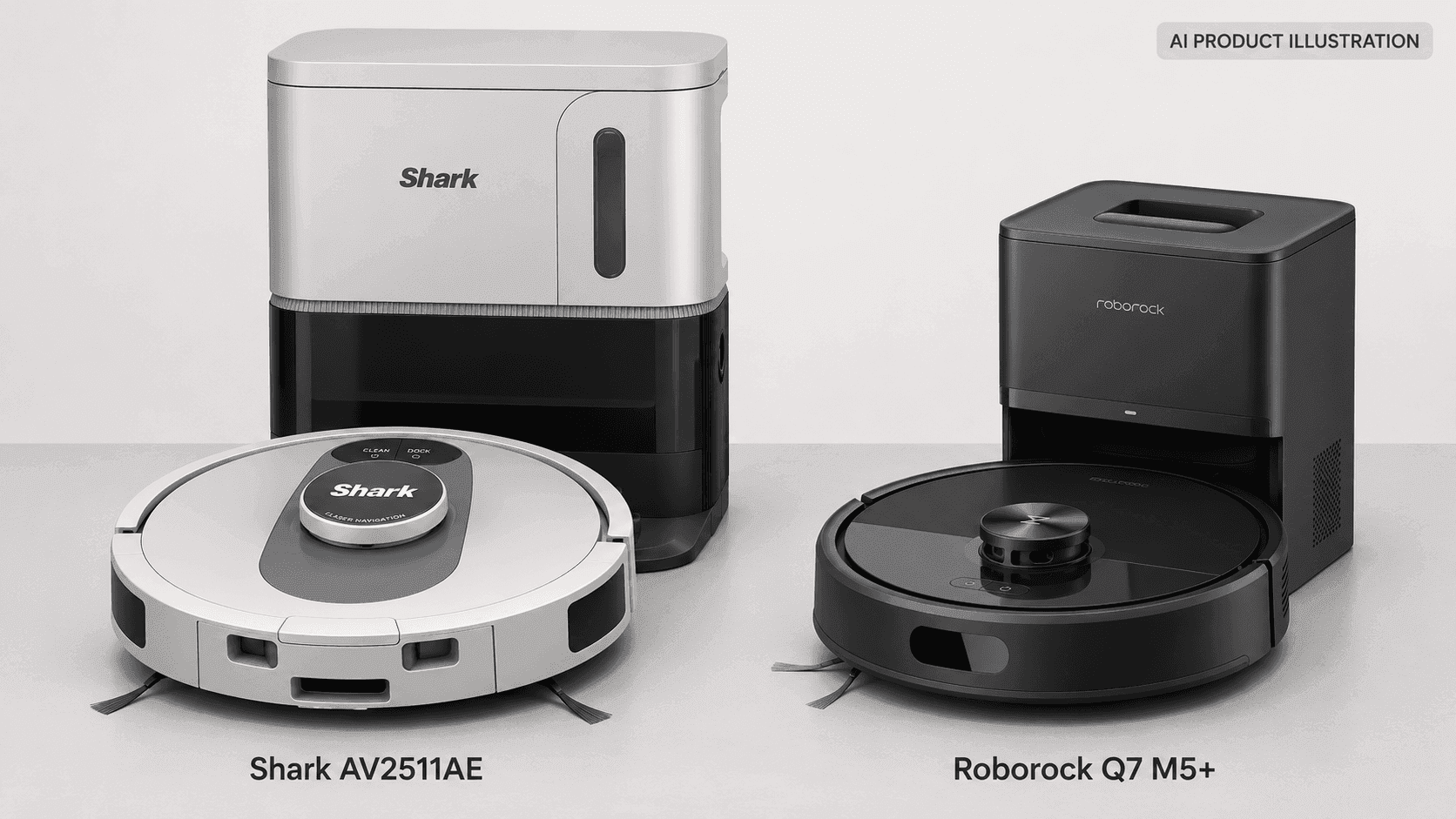
A small, all-carpet home has less use for water tanks and automatic pad care. A simpler self-emptying model such as the Roborock Q7 M5+ removes dock washing from the feature list and focuses the purchase on vacuuming. Choose a lower-profile robot, too, if important furniture gaps are below this model's height.
Sources & References
Specifications and claims in this analysis were cross-referenced against the sources below.
Its mops lift 10.5 mm but cannot detach automatically at the dock. That lift does not guarantee clearance over thick pile. Exclude plush rugs from mopping routes rather than relying on lifted damp pads to clear them.