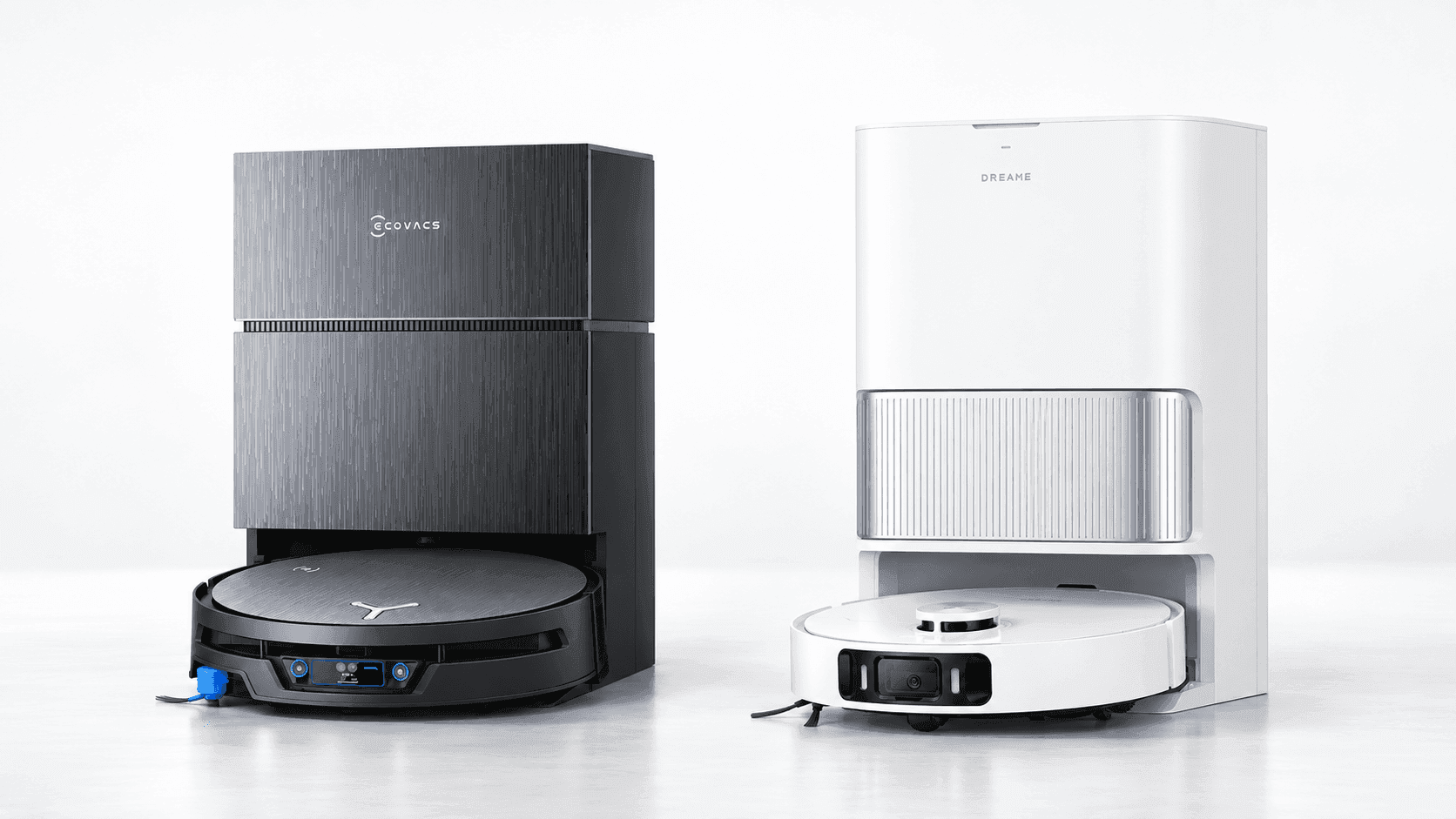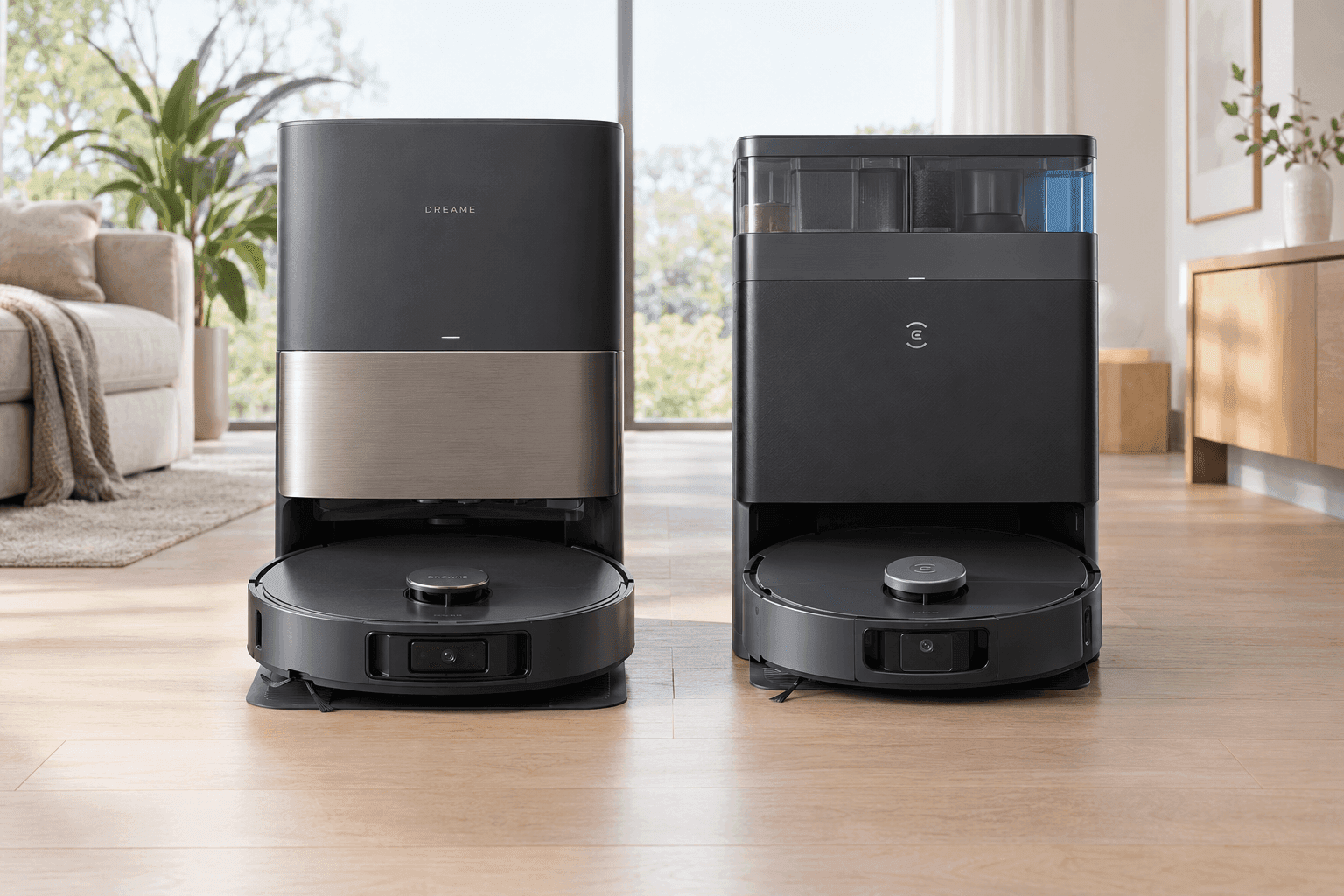
Robot vacuums have split into tiers that barely resemble each other anymore. One machine bumps around your living room with 10,000Pa of suction and a plastic dustbin you empty by hand; another maps the house with lasers, pulls 35,000Pa, and washes its own mop pads while you sleep. Figuring out how to choose robot vacuums starts with admitting that most of that gap is irrelevant to you — only the part that matches your floors counts.
A house with two shedding dogs and thick wool rugs needs different hardware than a one-bedroom apartment with sealed hardwood end to end. Suction wins the first argument. Mop-lift height and dock plumbing win the second.
Navigation splits the field the same way. Bumper-only robots and camera-only systems get lost in dim rooms, while LiDAR paired with AI obstacle avoidance reads a cluttered layout with high precision. Docks run from a bare charging pad up to stations that extract dust, refill reservoirs, and scrub mop pads on their own. Everything below turns those trade-offs into things you can literally check on a product page.
The Quick Take
Three hardware pillars decide whether a robot vacuum fits your home: navigation, suction, and dock design. Match them to your floor plan, not to a spec sheet ranking. Multi-room home with real clutter? Insist on LiDAR plus front-facing AI obstacle avoidance — that combination is what keeps cords out of the brushroll and stops whole rooms from getting skipped.
How to choose robot vacuums, step by step
Start with the floor itself. Work out roughly how much of your home is carpet versus hard surface, because that one ratio tells you which specs you can safely ignore. Deep pile rugs and a shedding pet? Suction and carpet detection come first — the Dreame L40 Ultra Gen 2 and its 25,000Pa suction power exist for exactly that job. Mostly hard floors with a couple of thin rugs? Mop behavior matters more, and a model like the ECOVACS DEEBOT T80S Omni uses Triple Lift for Brushes and Roller to hoist the mop clear before it dampens anything.
Now be honest about how much fussing you will actually tolerate. A basic dustbin means emptying after nearly every run, and most people quietly give up on that by week three. If you want to forget the robot exists, buy a station that self-empties, refills its own water, and washes the mop — the Dreame X60 Max Ultra Complete pairs 35,000Pa suction with that kind of base and runs for weeks hands-off. One rule holds no matter the brand: if you are buying a mopping hybrid, confirm the pad or roller gets washed with clean water. Anything less just spreads yesterday's dirt around.
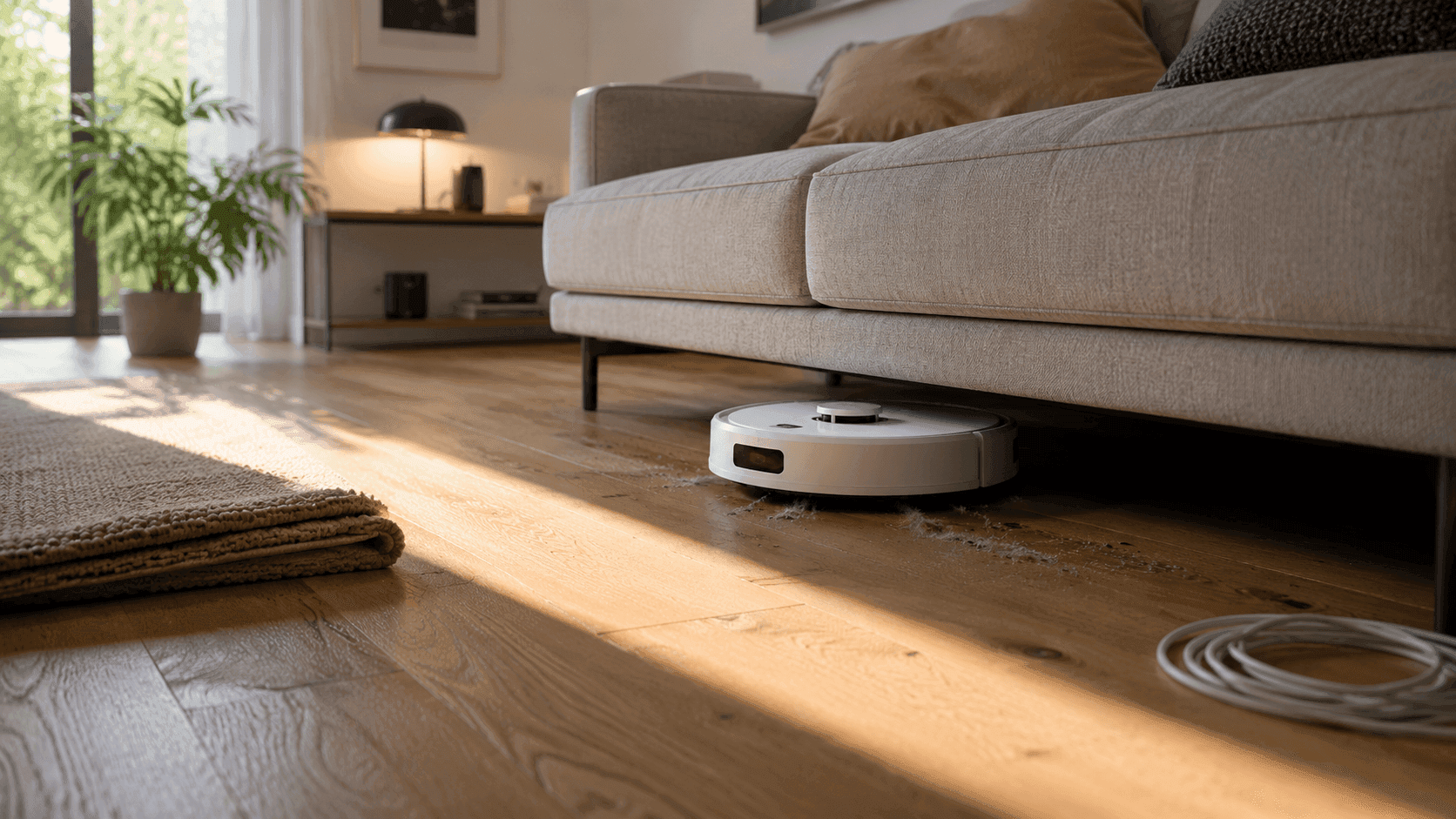
Last, look at your floor from ankle height. LiDAR on its own maps open rooms well; add kids' toys, charging cables, and a dog bowl and you need visual AI obstacle avoidance layered on top. Measure under your lowest sofa while you are down there — if the gap is under 3.2 inches, you need a slim chassis, and the X60 Max Ultra's 3.13-inch profile is the benchmark to compare against. Pet owners get one non-negotiable: anti-tangle rollers such as the ZeroTangle system on the ECOVACS DEEBOT X11 OmniCyclone, or you will be cutting hair off the brush with scissors every weekend.
Recommended product categories
Price tiers map onto capability cleanly, which makes shortlisting fast. Entry models sweep and map, then stop there. Roborock's Q7 M5+ is the template for that tier: PreciSense LiDAR navigation, 10,000Pa suction, and a dual anti-tangle system for modest money. Buy here if your place is small, mostly hard floor, and you want dependable daily crumb patrol rather than a mopping robot.
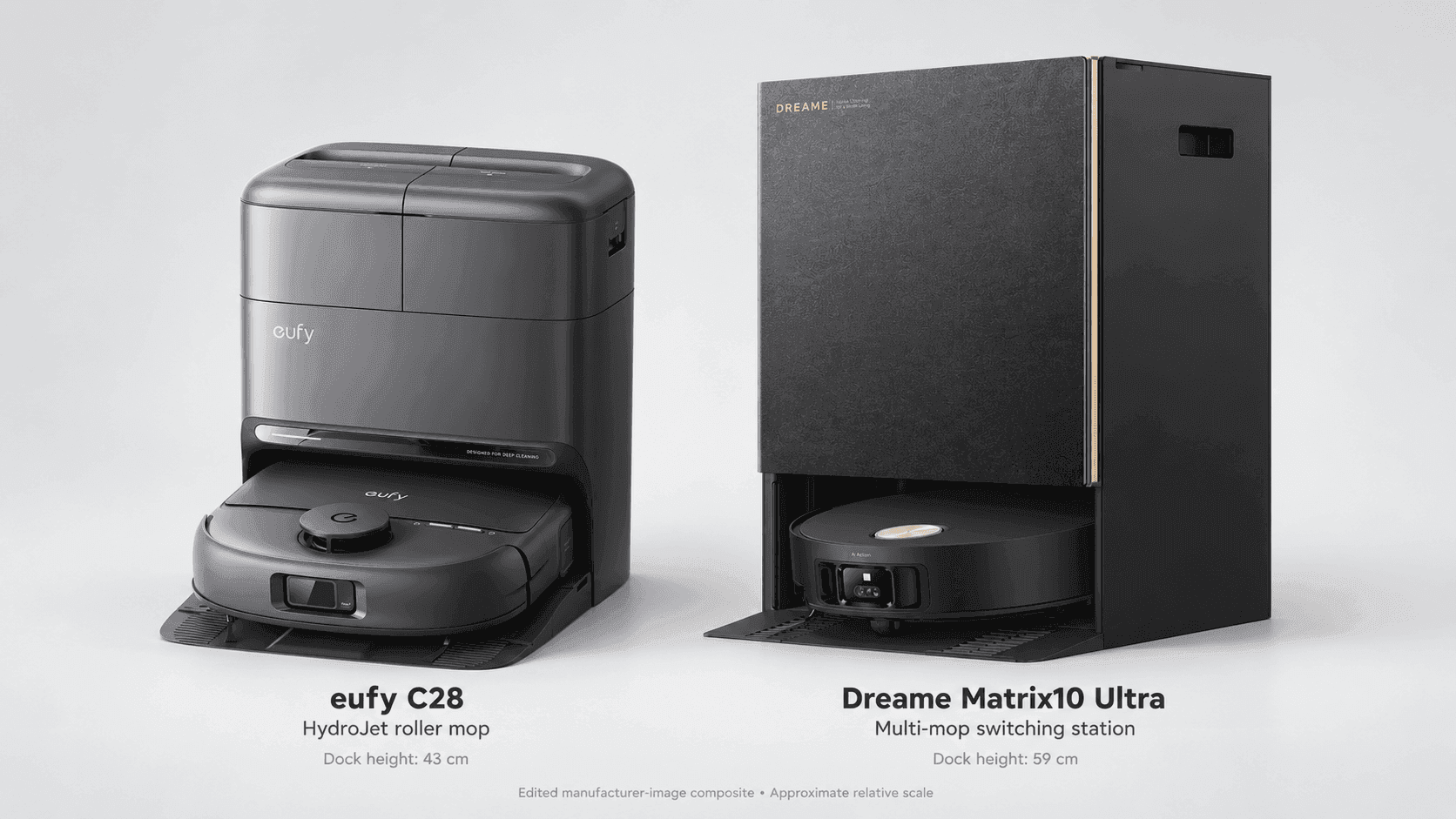
Step up and mopping joins the job alongside self-emptying. Eufy's C28 runs 15,000Pa suction with HydroJet roller mops and an auto-washing dock, while the Roborock Qrevo S5V counters with 12,000Pa suction, FlexiArm edge mopping, and 10mm mop lifting. Choose from this bracket when you have mixed hardwood and rugs and want hands-free upkeep without flagship spending.
Flagships take the entire chore off your hands. High-end machines such as the ECOVACS DEEBOT X12 OmniCyclone with its 22,000Pa suction and bagless station, or the Dreame X60 Max Ultra Complete with 35,000Pa suction in a 3.13-inch ultra-slim frame, add active pre-spray mopping, advanced 280+ obstacle avoidance, and self-cleaning docks. Worth the outlay only if your home is large, genuinely cluttered, or both.
Common mistakes
The most common error is treating Pascals as a score. A robot rated at 25,000Pa or 35,000Pa still disappoints if hair wraps its brushroll on day two, so read the roller description before the suction figure. Anti-tangle designs — the ZeroTangle systems on the ECOVACS DEEBOT T80S Omni or the Eufy C28 — do more for real-world pickup than a bigger number on the box.
Height is the second trap. Buyers fall for a tall LiDAR turret, then watch it wedge under the couch for the next three years. Slim builds like the Dreame X60 Max Ultra Complete at 3.13 inches tall slide under low-clearance furniture and back out again. Get a tape measure before you order.
Dock choice catches people out too. Extensive hard floors plus a plain self-empty base means you have skipped auto mop washing and drying, the kind of system found on the Roborock Qrevo S5V. And no, not every self-cleaning station is truly hands-free — check for a large-capacity dust bag or a bagless cyclone bin, or you will be servicing the dock weekly anyway.
One more thing shoppers forget: verify the mop-lift mechanics. A hybrid that cannot raise its pad high enough — think the 10mm lift on the Qrevo S5V, or a triple lift mechanism — will drag a damp mop straight across your medium-pile rugs.
Buying checklist
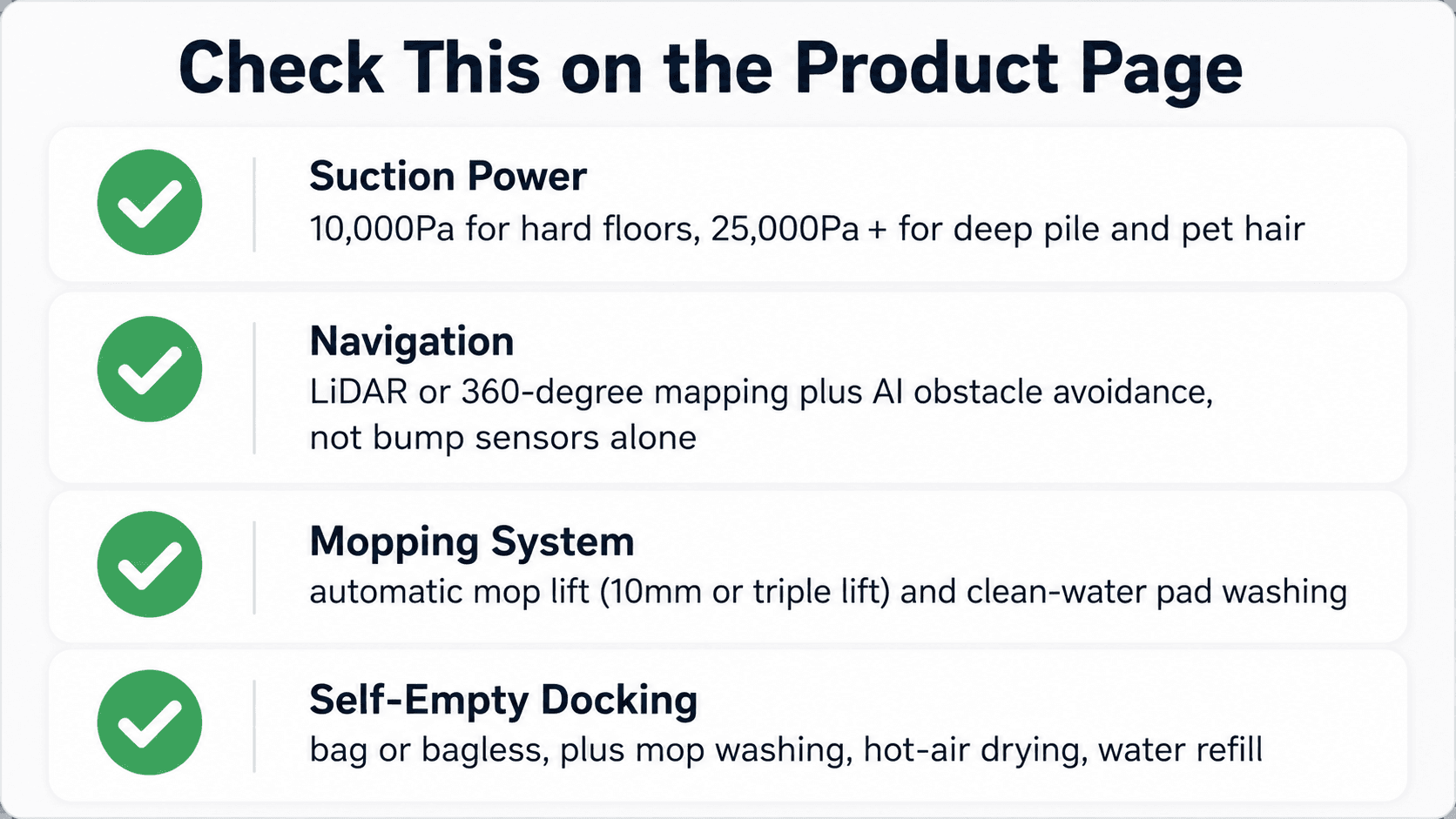
Six things to verify on the listing before you click buy. Run them in this order.
Flooring ratio first: if carpet covers more than half your floor, demand a high suction rating paired with carpet care — the 24,800Pa suction and Triple Lift for Brushes and Roller system on the ECOVACS DEEBOT T80S Omni show what that looks like written on a spec sheet. Second, find the listed height and hold it against the clearance under your lowest furniture. The Dreame X60 Max Ultra Complete lists a 3.13-inch profile height for under-couch navigation; anything taller than your gap is a non-starter, full stop.
Third, hunt for the brush description. Pets in the house and no mention of anti-tangle technology? Skip it. The Dual Zero-Tangle systems on the Eufy C28 or Roborock Q7 M5+ are the wording you want to see. Fourth, read the dock spec line by line: bag or bagless — the ECOVACS DEEBOT X11 OmniCyclone goes bagless — and whether automatic mop washing, hot-air drying, and clean-water refilling are included or quietly sold as an upgrade.
Fifth, check the navigation section for 360-degree LiDAR or advanced AI obstacle avoidance; basic bump sensors only survive in tidy, single-floor spaces. Sixth, open the accessories tab and confirm side brushes, HEPA filters, and specialized mop cloths are actually stocked, because a cheap robot with no consumables gets expensive fast. Work those six checks in order and how to choose robot vacuums stops being a spec-sheet argument and becomes a short list of yes-or-no answers.
Recommended Products
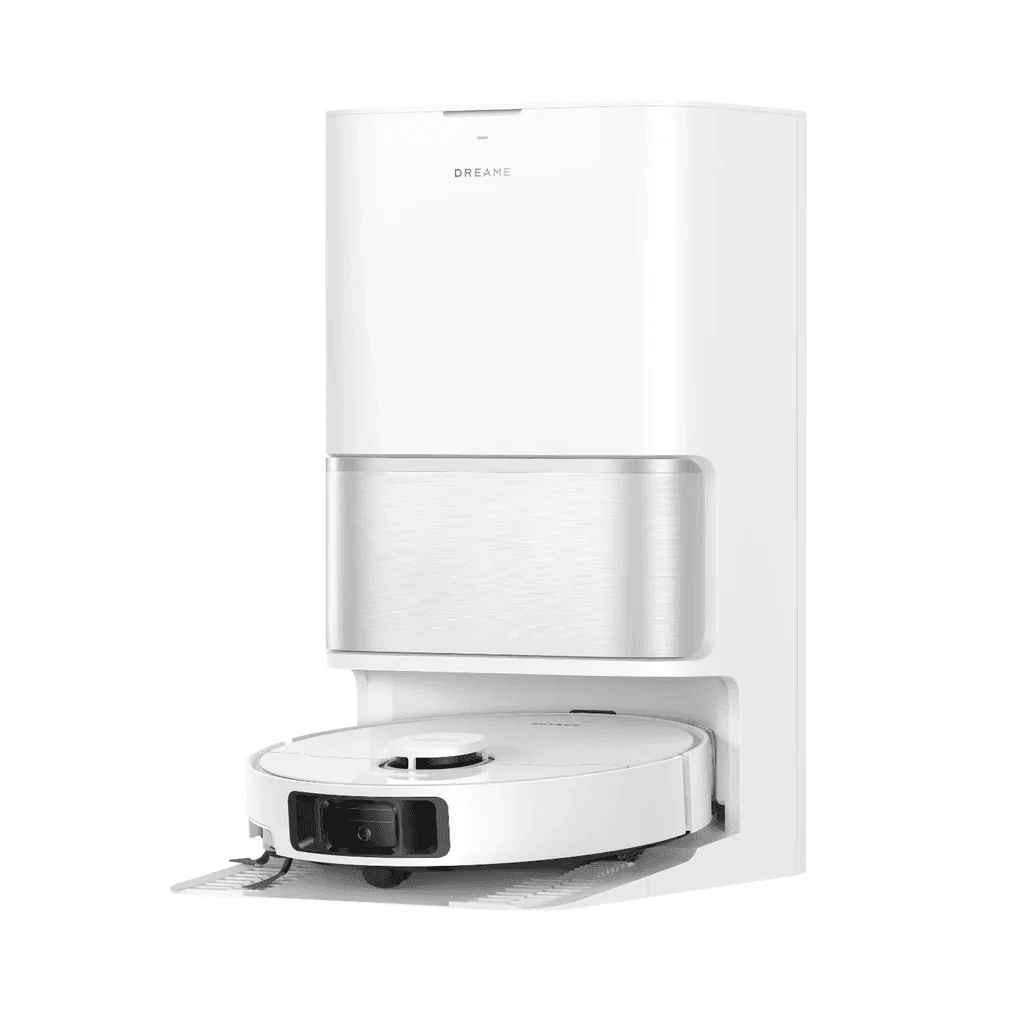
Four machines that put those rules into practice. Each one is here as an example of a specific spec pattern, so read them as illustrations of the checklist rather than a ranking you must follow.
ECOVACS DEEBOT T80S Omni
Pros
- Triple Lift Carpet Care raises the mop before it reaches your rugs
- ZeroTangle brush design targets the hair-wrap problem directly
- 24,800Pa suction covers carpet and hard floor in the same pass
Cons
- Dock upkeep, filters, brushes, and mop pads add ownership maintenance
- Obstacle handling and rug behavior still depend on room layout
Dreame X60 Max Ultra Complete
Pros
- 35,000Pa suction, the highest figure among these four
- 3.13-inch chassis clears low sofas that stop taller robots
- Dock self-empties, self-refills, and washes the mop for weeks at a time
Cons
- Costs far more than every other option here
- Dock upkeep, filters, brushes, and mop pads still add ownership maintenance
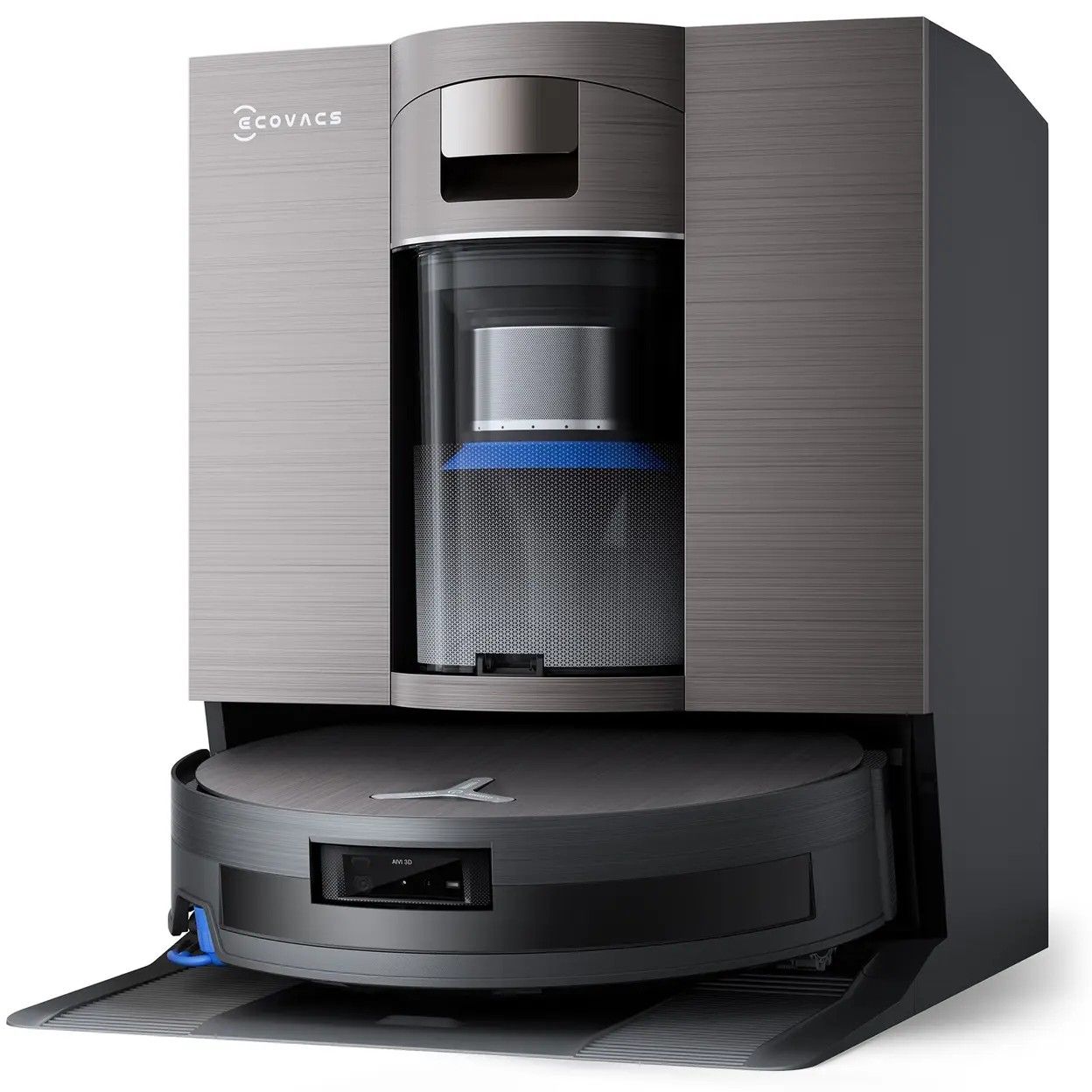
Roborock Qrevo S5V
Pros
- FlexiArm edge mopping reaches into corners and along baseboards
- 10mm mop lifting keeps damp pads off most medium-pile rugs
- Auto mop washing and drying cuts the weekly hands-on work
Cons
- 12,000Pa suction sits below the flagship tier for deep carpet
- Dock upkeep, filters, brushes, and mop pads add ownership maintenance
Shark AV2501AE AI
Pros
- Automated navigation and scheduling reduce routine floor-cleaning work
- Dock and bin features cut down daily maintenance
- Robot-vacuum design suits mixed hard-floor and carpet routines
Cons
- Dock upkeep, filters, brushes, and mop pads add ownership maintenance
- Obstacle handling and rug behavior still depend on room layout
Sources & References
Specifications and claims in this analysis were cross-referenced against the sources below.
- Dreame X60 Max Ultra Complete Review: A Tech Nerd's Honest ...coachlinz.com
- Dreame X60 Max Ultra Complete review - Tom's Guidetomsguide.com
- Ecovacs Deebot X11 OmniCyclone: 2026 reviewecovacs-robot.com
- Dreame X60 Max Ultra Review: The Controversial #1 Robot ...bestrobovacuums.com
- Dreame X60 Max Ultra Review 2026: 100% Pet Hair, But Mopping and Battery Lag Behindrobotvachub.com
- Dreame X60 Max Ultra Complete Review - Specs, Pros & Consthevacuumlist.com
- Ecovacs Deebot X11 OmniCyclone Review 2026: A Bagless Flagship That Nearly Cracked #1robotvachub.com
- Dreame X60 Max Ultra Complete Review - Best Robot Vacuumsbestrobovacuums.com
Frequently Asked Questions
Mostly hard floors? 10,000Pa is plenty. Deep pile and pet hair are where 25,000Pa-class machines like the Dreame L40 Ultra Gen 2 earn their keep — but only alongside an anti-tangle roller, which matters more than the Pascal figure.