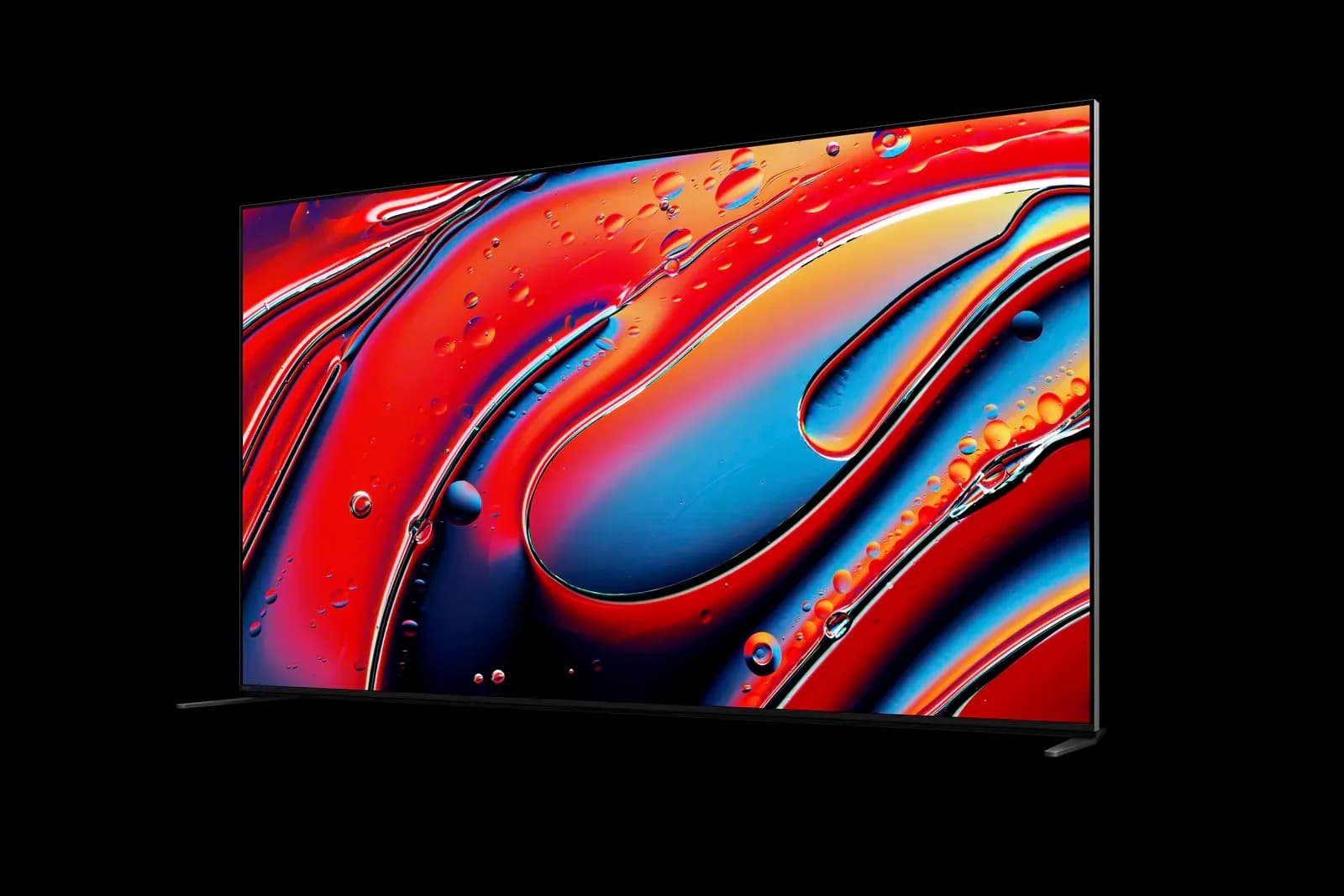
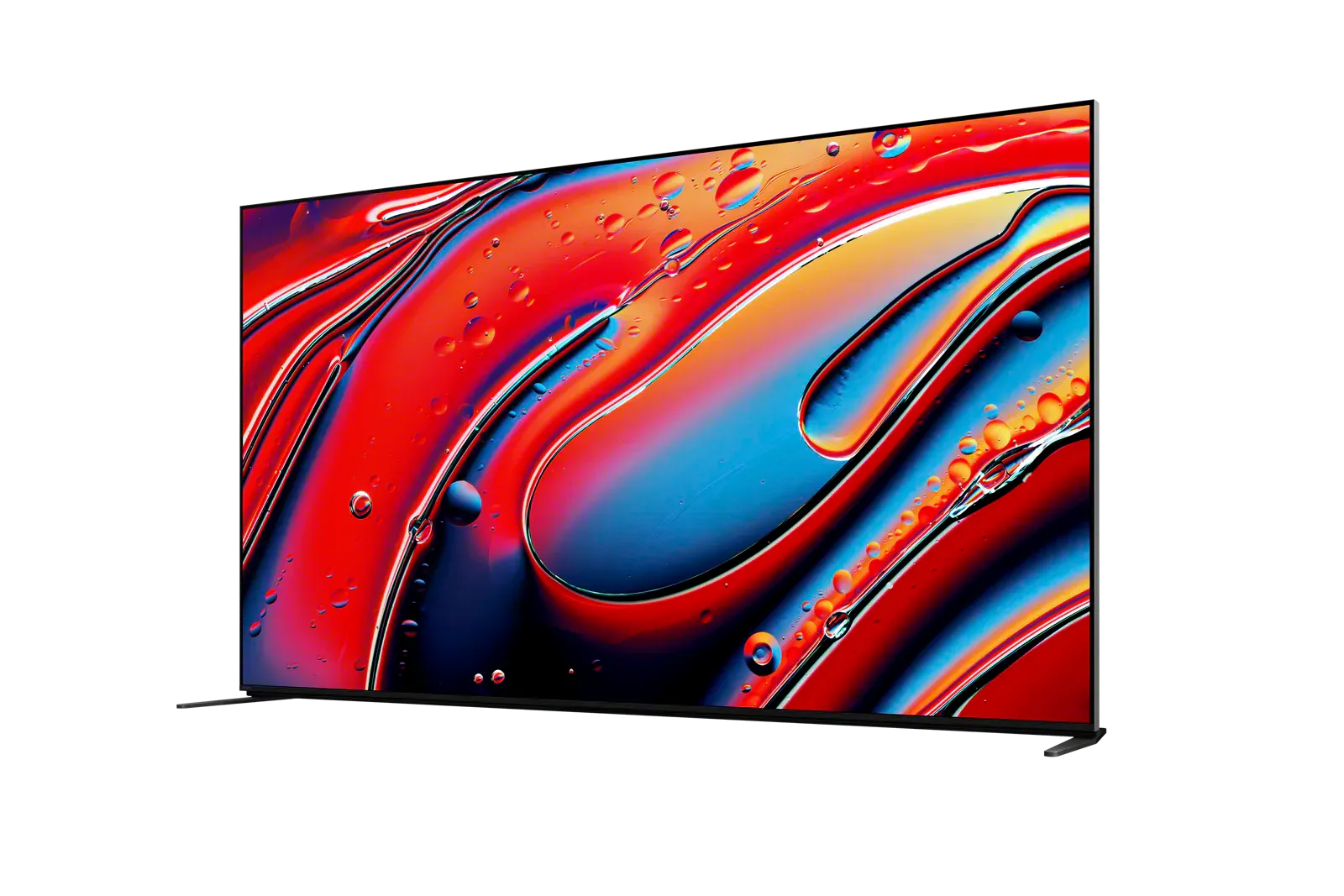
Choosing a flagship television comes down to three things fighting each other: backlight control, processing muscle, and the panel technology underneath it all. The Sony Bravia 9 sits at the top of Sony's 2024 LED lineup, acting as the flagship Mini LED QLED 4K Smart Google TV (K-65XR90). Lined up against premium sets like the Samsung QN90D and LG G4 OLED, it chases high peak brightness and tighter local dimming at the same time — two goals that usually pull in opposite directions.
OLED gets its black levels the easy way, one self-emissive pixel at a time. Mini LED does it the hard way: thousands of tiny diodes behind the panel, grouped into zones, switched up and down hundreds of times a second. That only works if the processing is smart enough to keep halos off bright objects and hold detail in dark scenes. Sony's answer is the XR Processor architecture, which weighs highlight luminance against black reproduction frame by frame.
This is a spec-based analysis using published manufacturer specifications and market comparisons. No hands-on testing was conducted. If you're upgrading a sun-filled living room or building out a light-controlled theater, what matters is how those numbers behave once real content is on screen. In this Sony Bravia 9 review, we work through the panel, the processing, the smart platform, and the port layout on the 65-inch model to figure out who it genuinely suits — and who should walk past it.
The Quick Take
Mini LED spent years playing catch-up to OLED on contrast. The Bravia 9 closes most of that gap, then walks away from OLED on peak brightness — which makes it the flagship to beat in any room you can't fully darken.
Product Overview
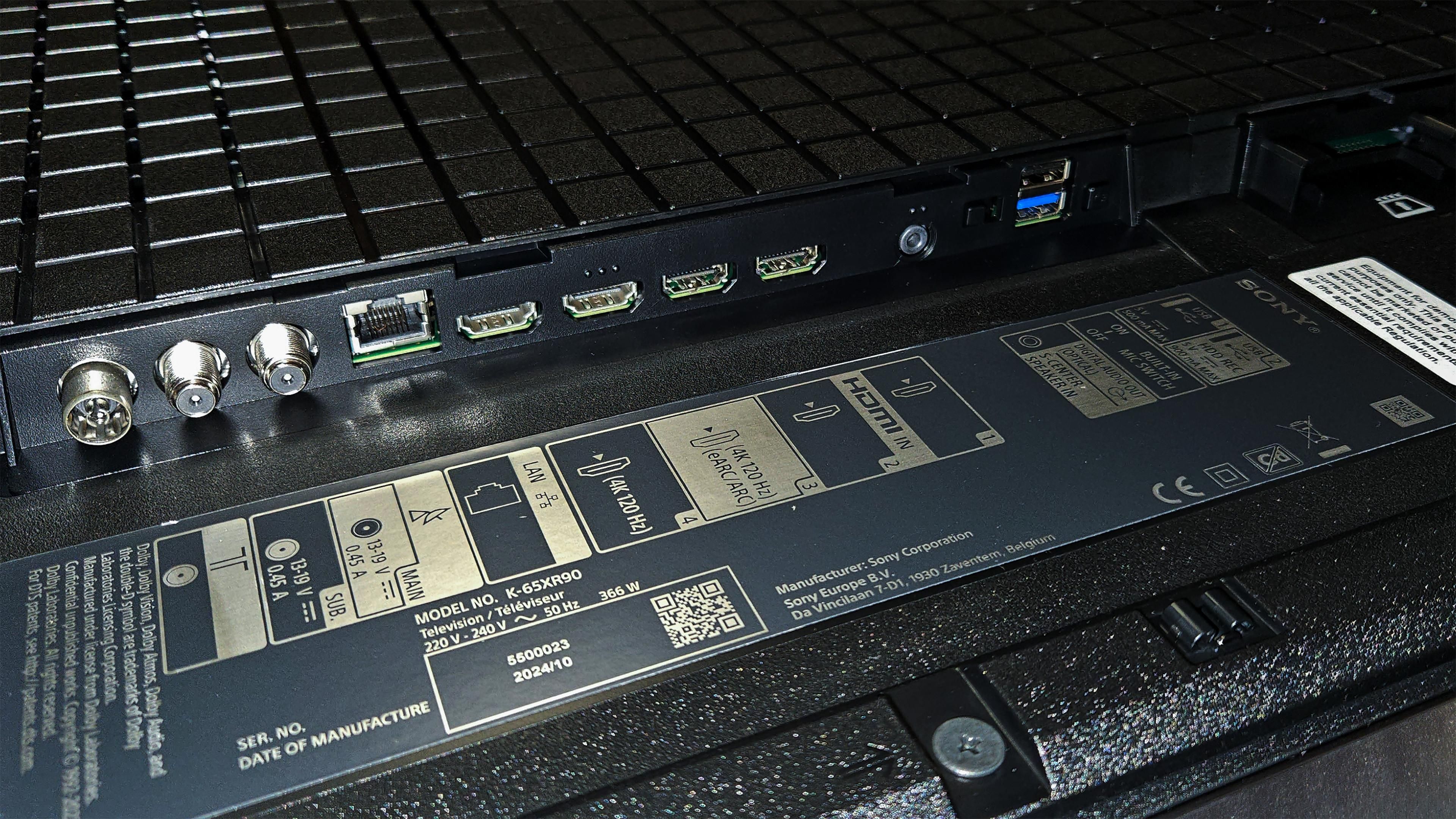
Everything here routes through Sony's XR Processor, which handles real-time tone mapping, scene analysis, and backlight control from a single chip. The 65-inch panel stacks Quantum Dot color on top of the Mini LED backlight, so wide gamut coverage and high peak brightness come out of the same hardware. Dense diode arrays plus fine-grained dimming is the bet Sony is making: consistent HDR output whether the curtains are open or the room is blacked out.
Motion runs on a native 120Hz panel, which matters for Saturday sports and for film cadence you'd rather nobody smoothed over. Plug in a PlayStation 5 and the HDMI 2.1 feature set wakes up, including Auto HDR Tone Mapping and Auto Genre Picture Mode. Variable Refresh Rate keeps tearing off the screen. The 120Hz ceiling keeps latency low while you're actually playing.
Dimming precision is where contrast lives or dies. Mini LED shrinks the diodes compared with older full-array backlights, and smaller diodes mean far more independently controlled zones packed behind the same panel. The XR Processor steers those zones scene by scene, holding shadow detail without clipping the bright elements above them. That structure is also what protects contrast when ambient glare lands on the screen, which is exactly the situation OLED handles worst.
On the software side, Google TV pulls recommendations from the major streaming services into one home screen instead of making you hop between apps. There's the Google Play Store for downloads, hands-free Google Assistant through built-in microphones, and native support for Apple AirPlay 2 and Chromecast for casting from a phone, tablet, or laptop. Sony also bundles its eco dashboard, which puts energy use and picture settings in one place rather than buried three menus deep.
Key Specs and Compatibility
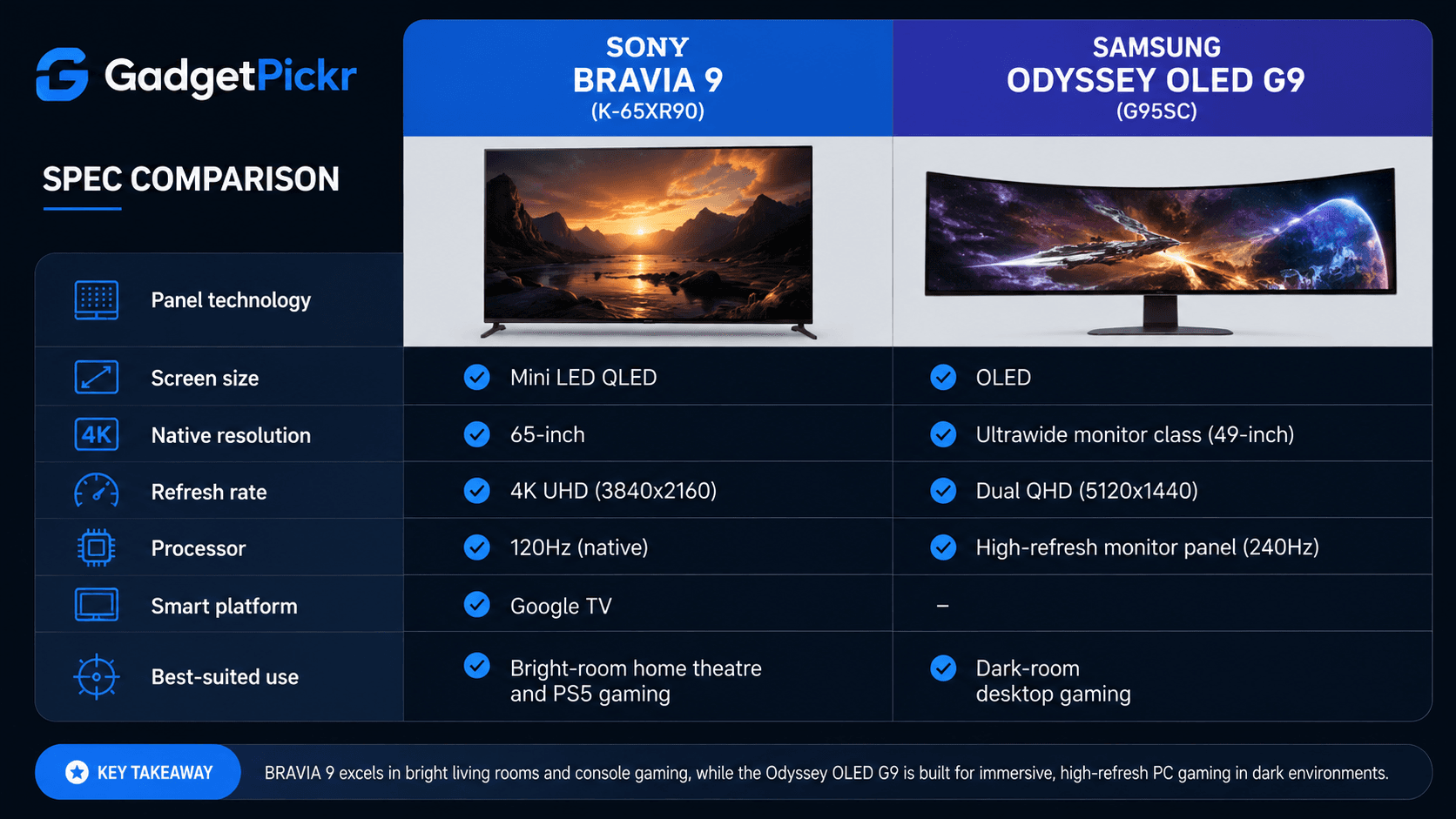
Here's the short version of what you're buying, with the marketing language stripped out.
| Specification | Value |
|---|---|
| Display Technology | Mini LED QLED |
| Screen Size | 65-Inch |
| Native Resolution | 4K UHD (3840 x 2160) |
| Refresh Rate | 120Hz |
| Video Processor | XR Processor |
| Smart Platform | Google TV |
| Model Code | K-65XR90 (XR90 Series) |
| Target Applications | Home theater, PS5 gaming, bright rooms |
| Voice Control | Google Assistant hands-free |
| Market Competitors | Samsung QN90D, LG G4 OLED, Hisense U8N |
Ecosystem integration relies on HDMI 2.1 connectivity for current-generation consoles, native Google Assistant support, and wireless screen mirroring via Apple AirPlay 2 and Chromecast.
What Stands Out
Two pieces of engineering carry this set: the XR Processor and the Mini LED backlight drive system feeding it. Most Mini LED televisions give themselves away in high-contrast scenes, where light bleeds around bright objects sitting on dark backgrounds. Sony's approach pairs precise local dimming with its High Peak Luminance handling, so HDR highlights hit hard while black levels stay close to what self-emissive panels manage. That's the trick nobody had pulled off convincingly on an LED-lit panel until recently.
Color volume is the other headline. Quantum dots working alongside XR Triluminos Pro processing keep saturation intact across a wide spectrum, and that shows up most in wide-gamut HDR — the shading inside a blown-out sky or a dim corner stays colored instead of washing to white or sinking into gray. Anti-reflective panel treatment and wide viewing angles do the rest of the work when the room is lit or when you're stuck on the far end of the sofa.
Processing-wise, the XR chip evaluates textures and fine detail in real time without tipping into edge halos or artificial sharpness. Motion holds up thanks to that native 120Hz refresh rate, and it doesn't force the soap-opera effect on film content. Audio is unusual for a flat panel, too: frame tweeters vibrate the chassis itself, so sound comes from roughly where the action sits on screen. Route it through eARC to a receiver or soundbar, or press it into service as a center channel, and dialogue stays anchored where it belongs.
Strengths
Bright rooms are where this television earns its money. OLED can look subdued once open windows and overhead lighting start fighting it; the Bravia 9 answers with sheer backlight output, so HDR highlights and everyday SDR content both cut through glare. Movie night benefits from the same headroom — sunlight off water, firelight, a glint on metal, all of it pops while shadow detail underneath stays intact rather than crushing to mud.
Google TV makes a polished daily driver. App navigation is quick, the recommendation rows are sensibly sorted, and voice search doubles as a smart home remote when you want the lights down. Dolby Vision, HDR10, and HLG are all supported, which covers the major streaming catalogs without you thinking about it. Chromecast and AirPlay 2 are built in, so casting from a phone or laptop needs no extra hardware and no fiddling.
For console owners the feature list is complete: HDMI 2.1 with 4K at 120Hz, Variable Refresh Rate, and Auto Low Latency Mode, which together mean minimal input lag and no tearing during fast play. PlayStation 5 users get the extras layered on top — Auto HDR Tone Mapping and Auto Genre Picture Mode configure themselves the moment the console is detected, so you skip the usual calibration ritual. Fast response, quantum dot color, and high-brightness HDR mapping make high-frame-rate titles look detailed rather than merely quick.
Weaknesses
It's a thick television. Mini LED backlight structures, dimming zone hardware, and internal audio drivers all demand depth that an ultra-slim OLED simply doesn't need. If flush-to-the-wall mounting is the look you're after, the XR90 chassis will sit noticeably prouder off the plasterboard than a competing OLED flagship. Worth measuring before you commit to a bracket.
Connectivity is the more practical headache. Sony equips the television with four HDMI ports, but only two offer full HDMI 2.1 bandwidth required for 4K at 120Hz gaming. Because one of those two also carries eARC duty, running a soundbar alongside both a PS5 and an Xbox Series X means one console drops to an HDMI 2.0 port capped at 4K 60Hz — or the whole chain goes through an external AV receiver. Annoying for anyone with a genuinely stacked rack.
Micro-blooming hasn't been engineered out entirely, either. In the worst-case material — white subtitles against a pure black letterbox bar, or small bright stars in a deep space scene — a faint halo around the brightest elements remains possible in a pitch-black room. And the price bracket puts this set in direct competition with high-end OLEDs including the LG G4 and Samsung S90 series. If pixel-level black precision and unrestricted off-axis viewing matter more to you than raw luminance, OLED remains the better tool for a dedicated dark room.
Best Alternatives
Samsung's QN90D is the closest like-for-like rival: another flagship Mini LED with high highlight output and strong anti-reflective handling, built for the same light-drenched living rooms. Buyers chasing accurate color straight out of the box and cinematic image processing generally land on Sony's XR Processor, whereas Samsung appeals to users prioritizing maximum HDR peak brightness and competitive gaming features across all four HDMI ports.
Want perfect blacks more than full-screen brightness? The LG C4 OLED 65-Inch 4K Smart TV (OLED65C4PUA, 2024) runs webOS 24 with self-lit pixels, which removes blooming around subtitles and starfields completely rather than minimizing it. It also supports up to a 144Hz refresh rate, making it highly versatile for PC gamers alongside traditional console gaming. Your room settles the argument: the C4 goes deeper in the dark, the Bravia 9 pushes far more sustained light into a bright space.
On a tighter budget, the TCL 65-Inch QM8K Mini LED QLED 4K TV (2025 Model) covers a surprising amount of the same ground. Running on Google TV and featuring a 144Hz panel with Dolby Atmos audio support, the QM8K delivers strong high-contrast performance and high refresh rates at a significantly lower investment threshold. What you trade away is refinement — Sony keeps a clear lead in fine zone control, gradient handling, and motion processing.
Who Should Buy It
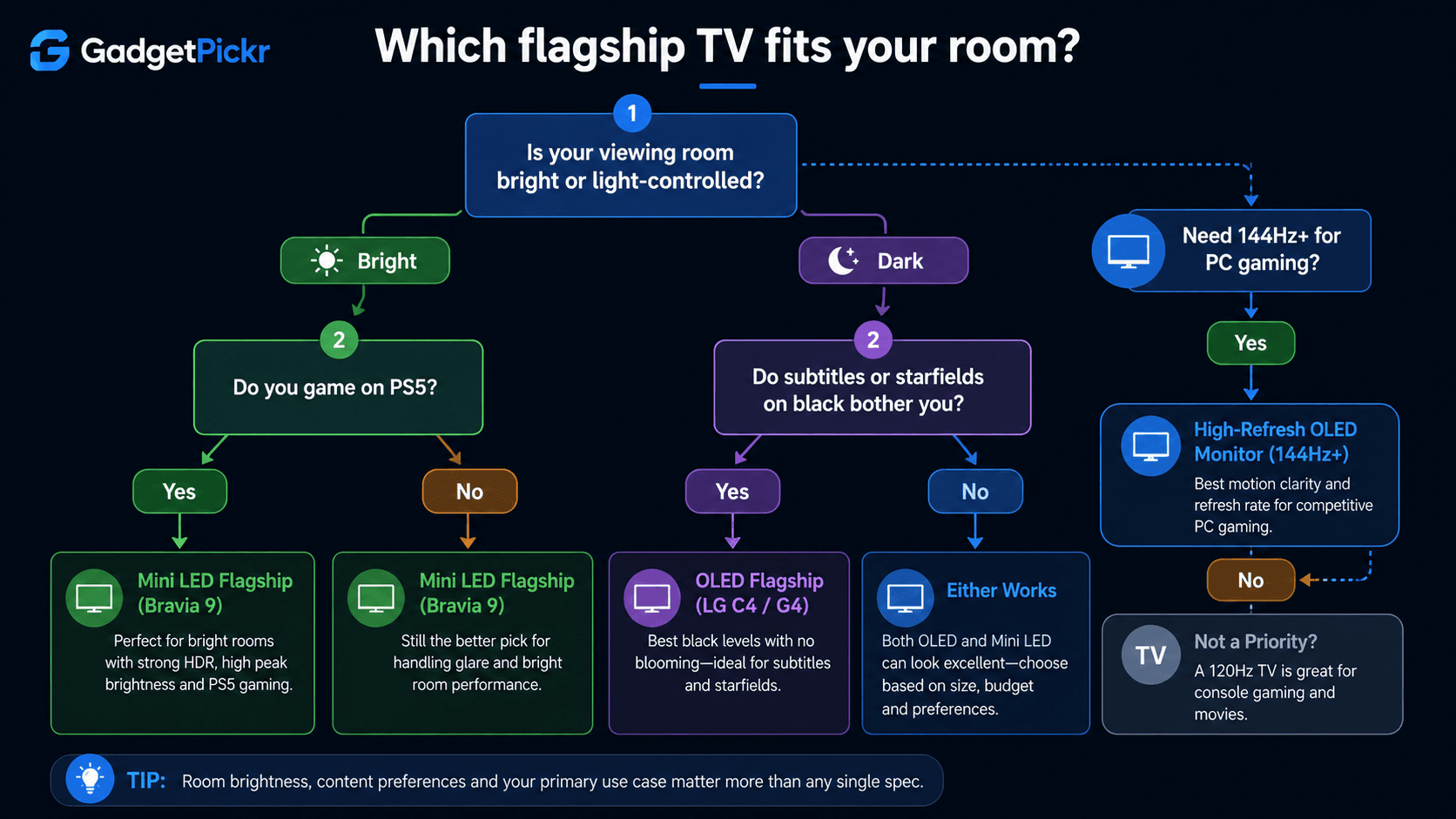
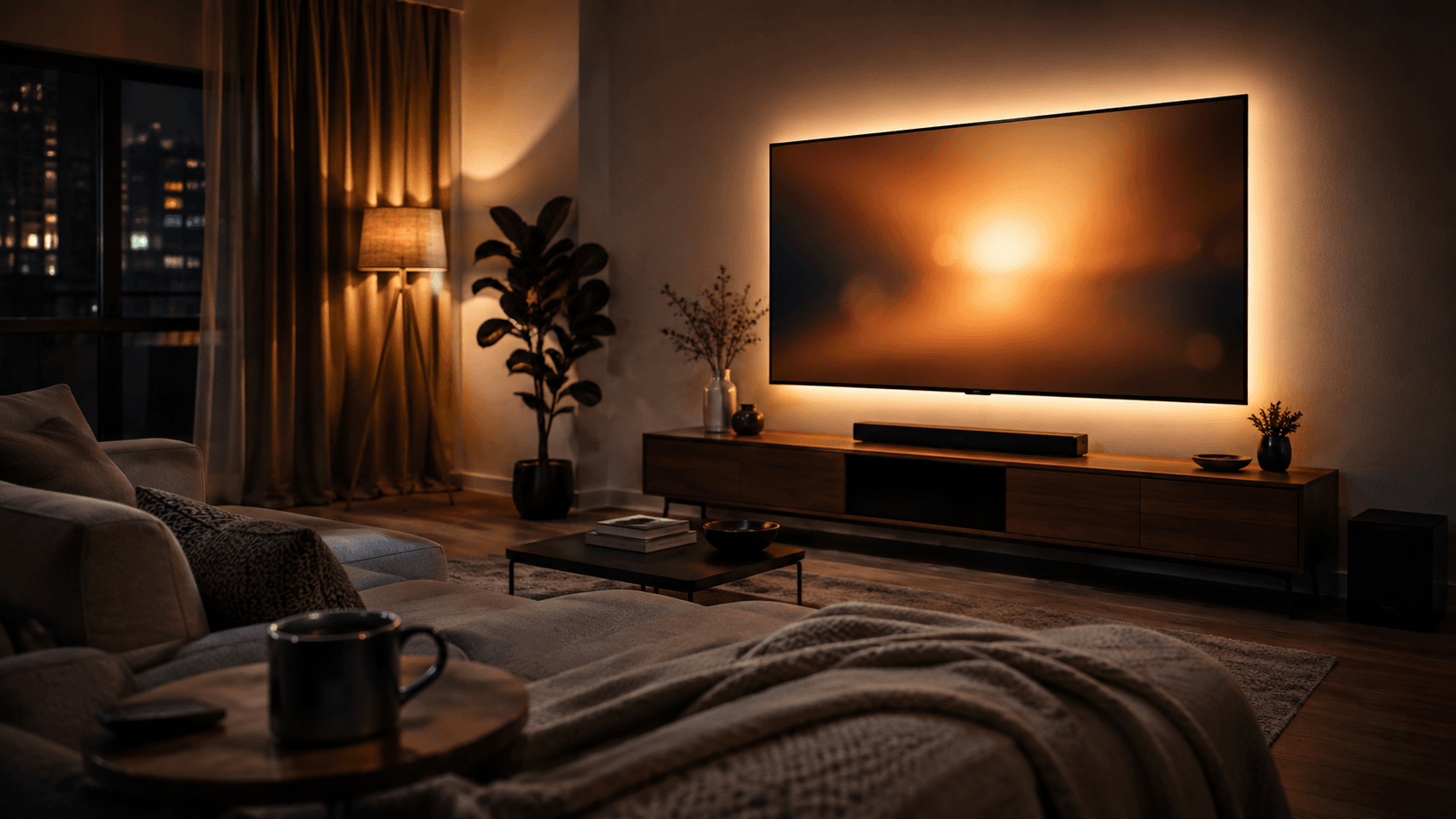
Bright rooms, first and last. If your viewing space has large windows, afternoon sun, or bright overhead lighting, the brightness headroom and dimming control here keep HDR content looking like HDR instead of a washed-out approximation of it. That is the single strongest reason to buy this television, and no OLED at this screen size answers it. It balances peak luminance against deep contrast far more capably than any conventional LED set.
Film-focused viewers get the other half of the argument. The XR Processor upscales older SDR material cleanly, handles motion without forcing smoothing artifacts, and maps HDR color sensibly with no calibration work required. PlayStation 5 owners collect a bonus layer on top: Auto HDR Tone Mapping and Auto Genre Picture Mode configure the set for 4K 120Hz play the moment you switch the console on.
Commission may be earned from this link, at no extra cost to you.
Who Should Skip It
Skip it if you watch in a blacked-out room and blooming bothers you. That's the single strongest reason not to buy: a self-emissive panel like the LG C4 OLED has no dimming zones to bloom from at all, so subtitles and starfields sit on genuinely black backgrounds with zero light bleed around them.
PC gamers chasing frame rates beyond console territory should also look elsewhere. A 120Hz panel fully satisfies the PlayStation 5 and Xbox Series X, but if you want 144Hz or higher natively, a high-refresh OLED monitor or a gaming-focused TV is the better tool for the job. And if the budget is genuinely tight, mid-tier Mini LED sets deliver most of this picture quality without paying for flagship processing.
Sony Bravia 9 Review Verdict
Buy this one if your room has light in it. That's the entire thesis: the Bravia 9 gets close enough to OLED contrast that most viewers won't miss the difference, then pulls well ahead on peak brightness where OLED runs out of road. XR Processor backlight control keeps blooming in check while preserving shadow detail, which makes this a strong anchor for a sunlit living room theater. Native PlayStation 5 support including Auto HDR Tone Mapping makes it a capable gaming display too — provided you don't need four full-bandwidth HDMI 2.1 inputs.
Skip it if your theater is a dark box. In that room an LG C4 or G4 still wins on pixel-level precision and slightly wider off-axis consistency, and the Bravia 9 shops in the same money bracket as those sets, so the comparison is a real one rather than academic. For everyone else — bright rooms, mixed viewing, no appetite for worrying about burn-in — this Sony Bravia 9 review lands on a straightforward recommendation. Few flagship televisions bridge reference-grade movie playback and practical daylight performance this comfortably.
Sources & References
Specifications and claims in this analysis were cross-referenced against the sources below.
- Sony BRAVIA 9 TV Review - RTINGS.comrtings.com
- BRAVIA 9 | 4K HDR | Mini LED | Smart TV | TVs - Sonysony.com
- Sony BRAVIA 9 75” class Mini LED QLED 4K HDR Google TV with ...electronics.sony.com
- Review: Sony Bravia 9 Mini LED TVwired.com
- Sony Bravia 9 review - Tom's Guidetomsguide.com
- Sony Bravia 9 review: It lives up to the hypedigitaltrends.com
- Sony Bravia 9 review: the 4K TV for true cinema movie loverstheshortcut.com
- Sony Bravia 9 TV Review: Top-tier mini-LED performancereviewed.com
Frequently Asked Questions
Yes, and that's the whole point of the Mini LED backlight. A dense diode array driven by the XR Processor pushes HDR highlights well past what self-emissive OLED panels sustain, which is why it suits sunlit rooms better.