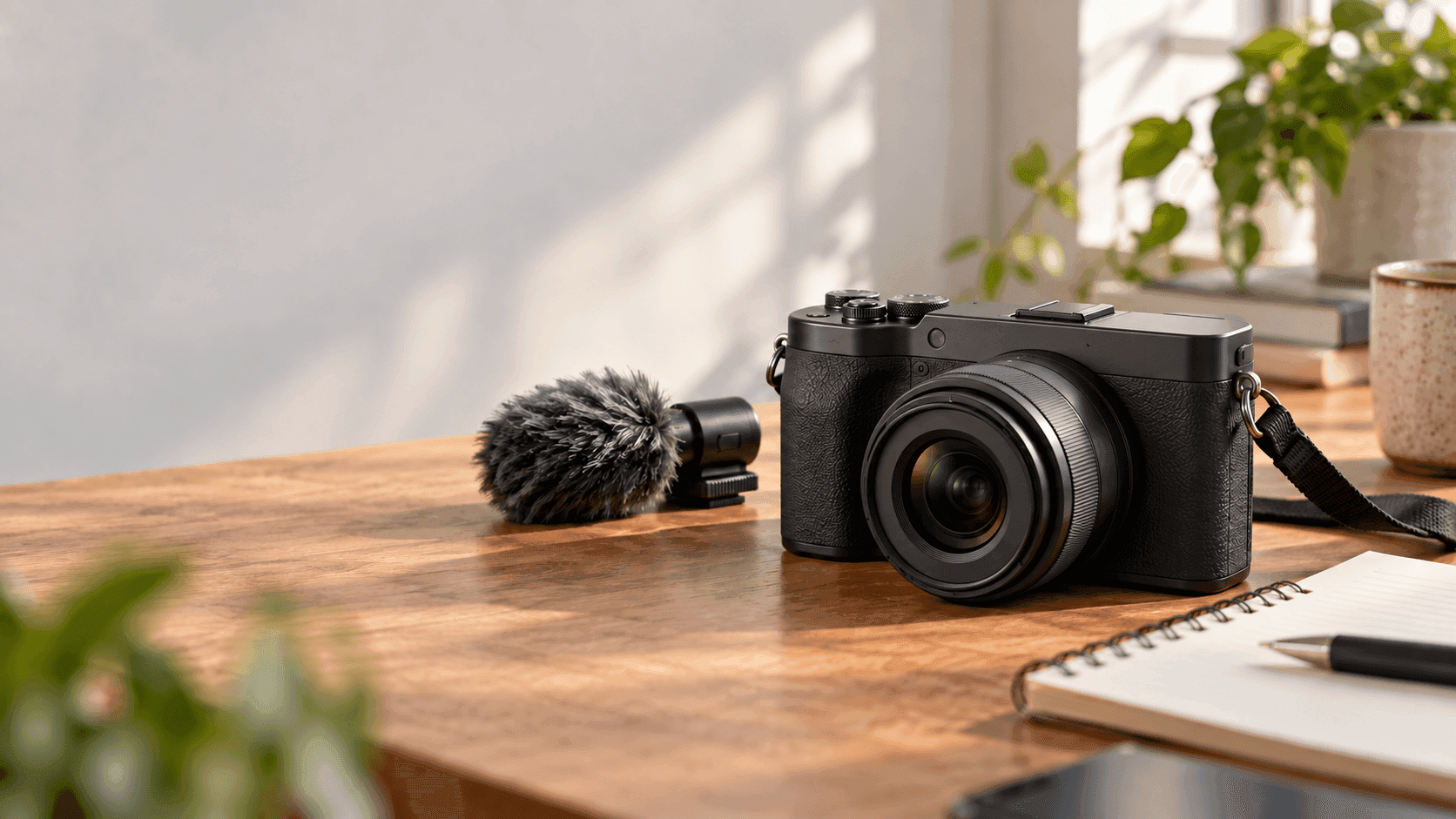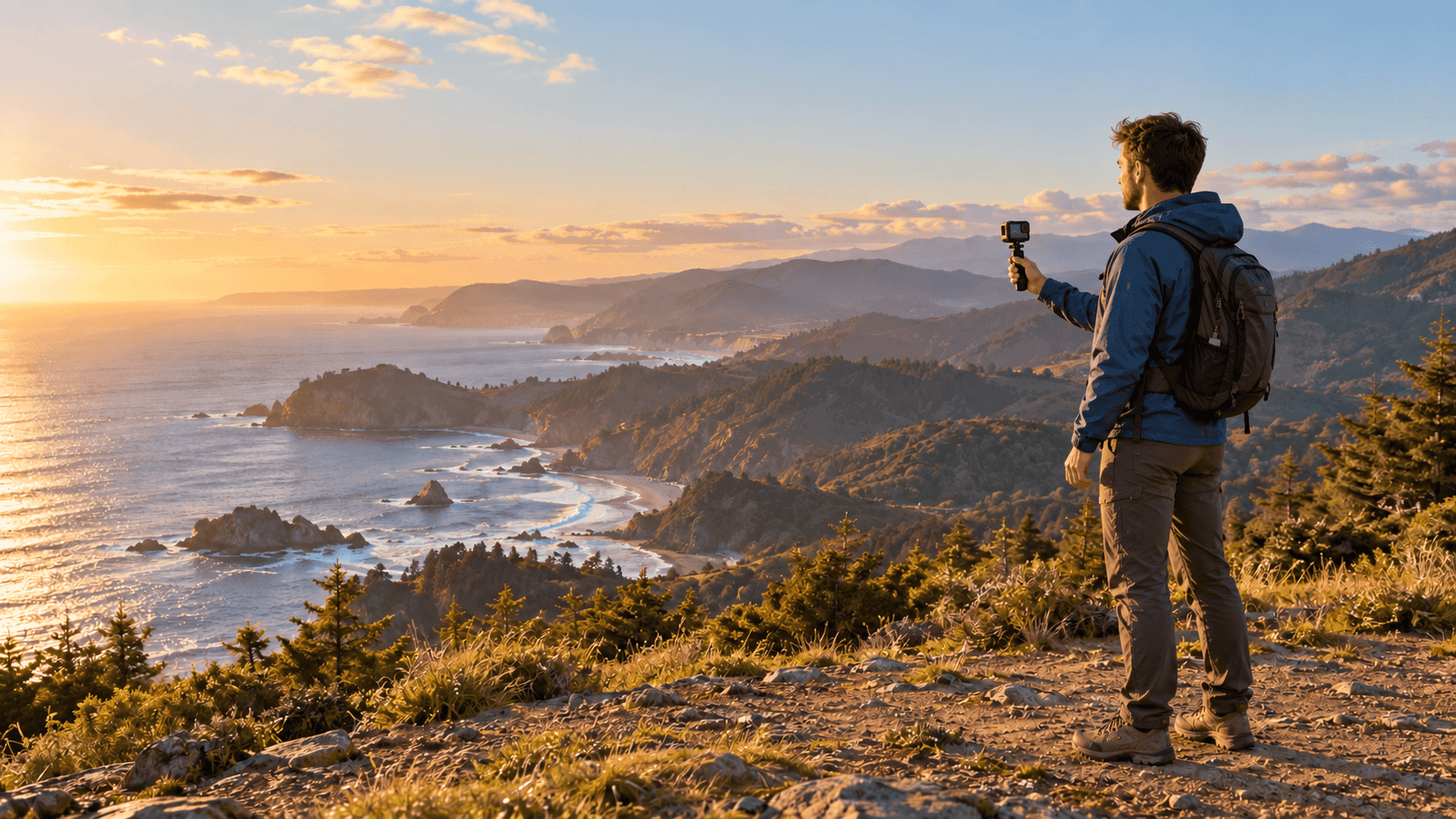
A travel camera has to earn its space in your bag. Our picks for the best travel cameras and stabilizers span a waterproof action camera, two gimbals and two interchangeable-lens cameras, each solving a different filming problem. We ranked these five options by portability, stabilization, water resistance, recording capabilities and how well they fit the equipment you already own.
For a compact, self-contained adventure setup, start with the DJI Osmo Action 5 Pro. If you already like your phone's footage, a phone gimbal makes more sense; if photography or lens choice matters most, look at the Canon kits. Decide what you want to record before adding equipment: a mirrorless camera, a smartphone stabilizer and a waterproof action camera ask very different things of your luggage.
The Quick Take
Choose the Osmo Action 5 Pro for adventure footage, the Osmo Mobile 6 for an existing phone, or the RS 4 for an existing mirrorless setup. Among the Canon kits, the EOS R100 earns its place for a lighter photo-focused body, while the EOS R50 is the better choice for mixed stills and video. Match the purchase to the job.
DJI Osmo Action 5 Pro
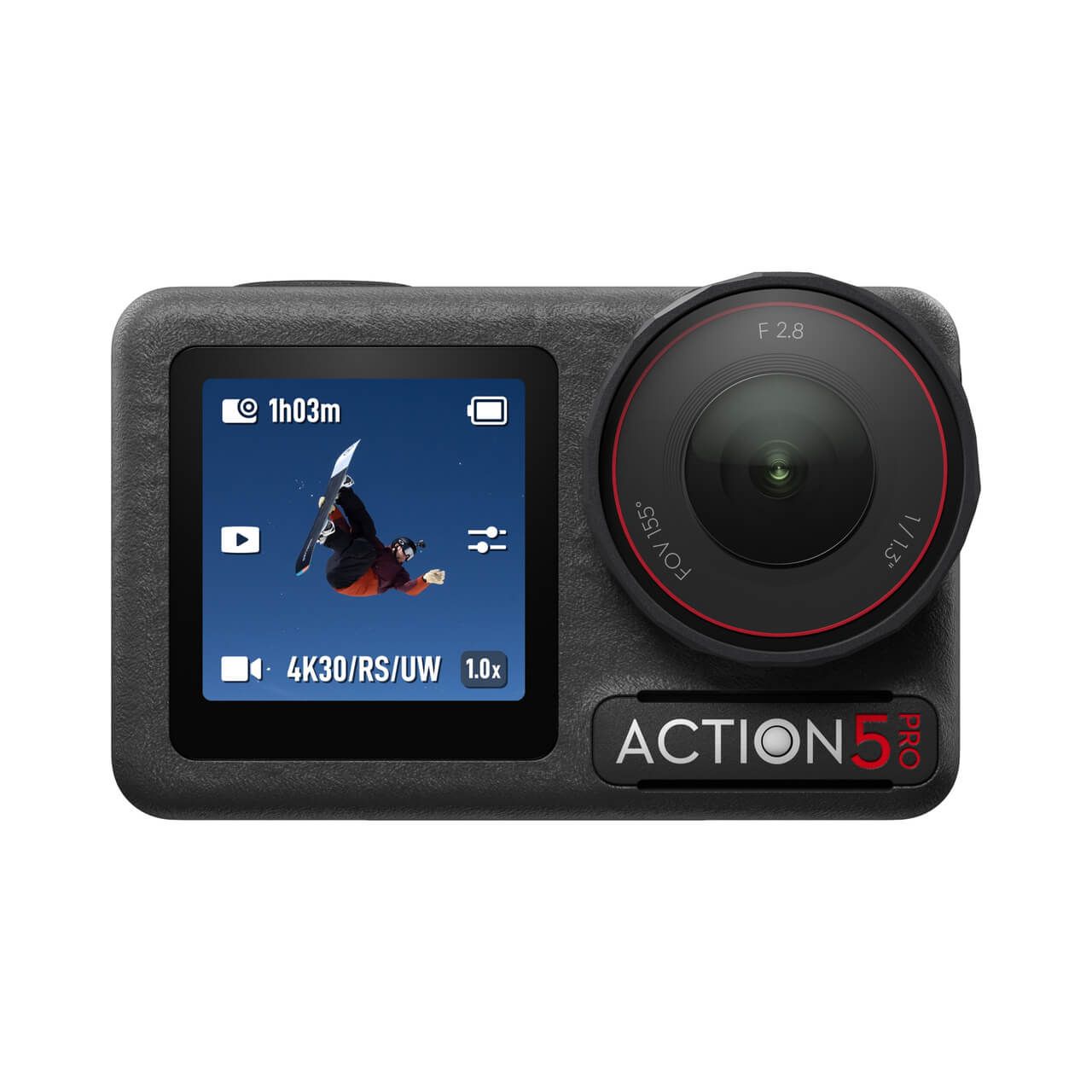
For beach trips, bike rides and footage from places where a phone is awkward to carry, this is the most practical starting point among these five picks. Its 1/1.3-inch sensor, 4K/120fps recording, dual OLED touchscreens and 47GB of usable internal storage put capture, framing and an alternative to a memory card in one small body. It ranks above the Osmo Mobile 6 because it records independently and has a specified underwater rating, rather than relying on a separate phone.
DJI rates it for use down to 20 meters without a waterproof case, provided the covers and lens cover are correctly secured. The camera's waterproof design allows for deep underwater capture without needing an external housing, while its robust sustained performance ensures reliable recording during hot summer excursions. Subject tracking is useful for keeping a person centered, but that mode tops out at 2.7K rather than the camera's headline 4K resolution.
Pros
- 4K/120fps recording for slow-motion footage
- 47GB of usable internal storage alongside microSD expansion
- 20-meter waterproof rating without a separate case
Cons
- Subject tracking tops out at 2.7K
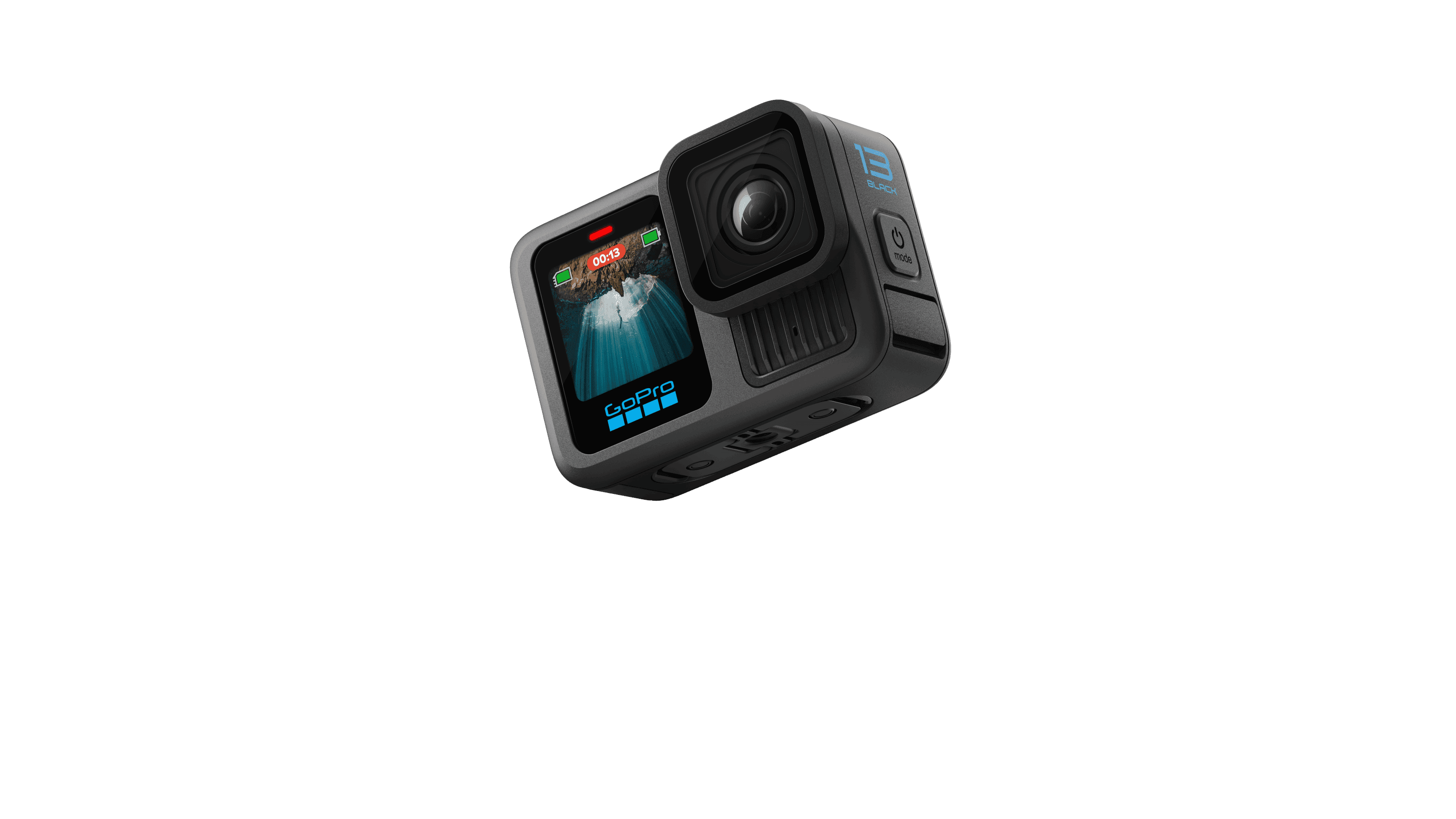
- Maximum video resolution is 4K, below GoPro HERO13's 5.3K
DJI Osmo Mobile 6
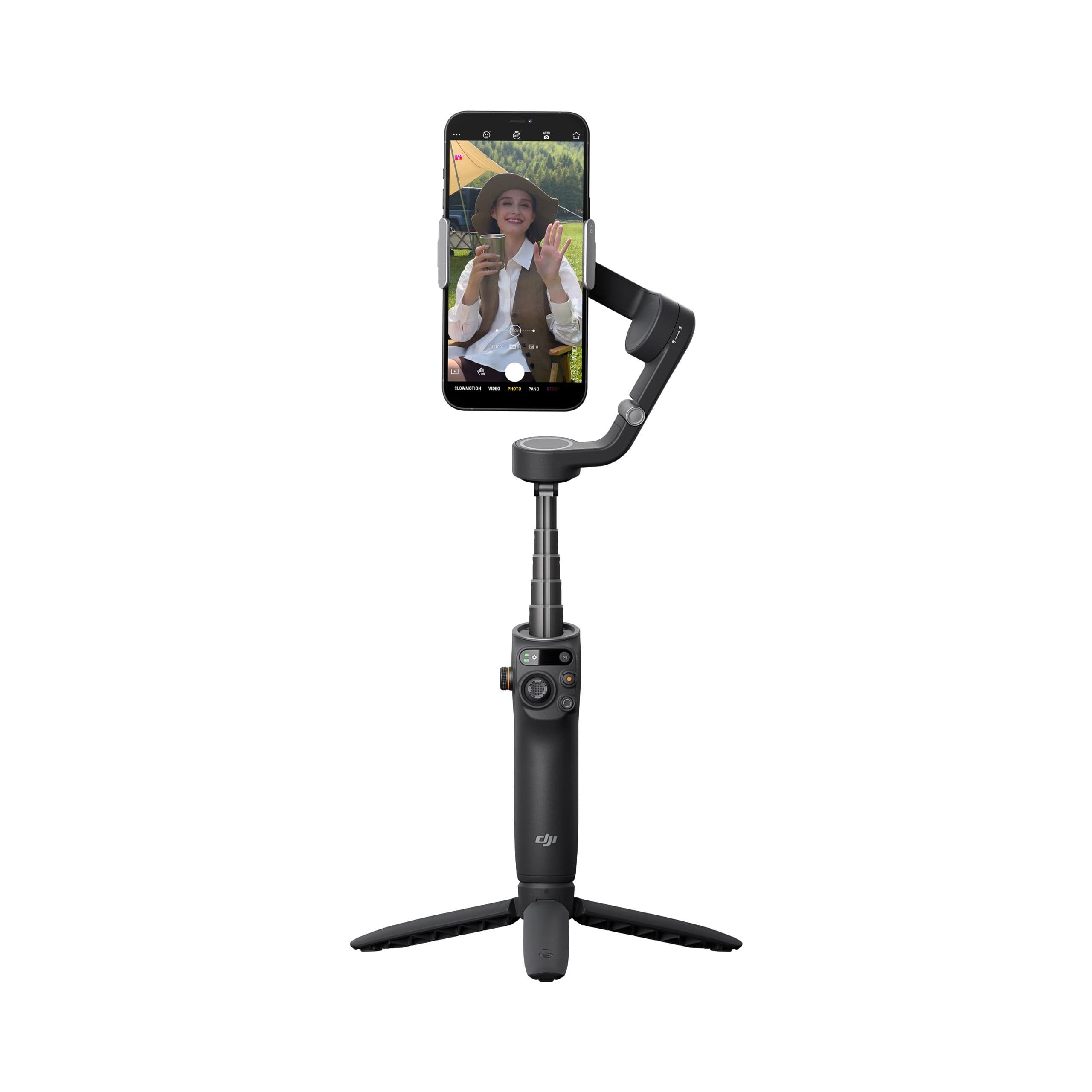
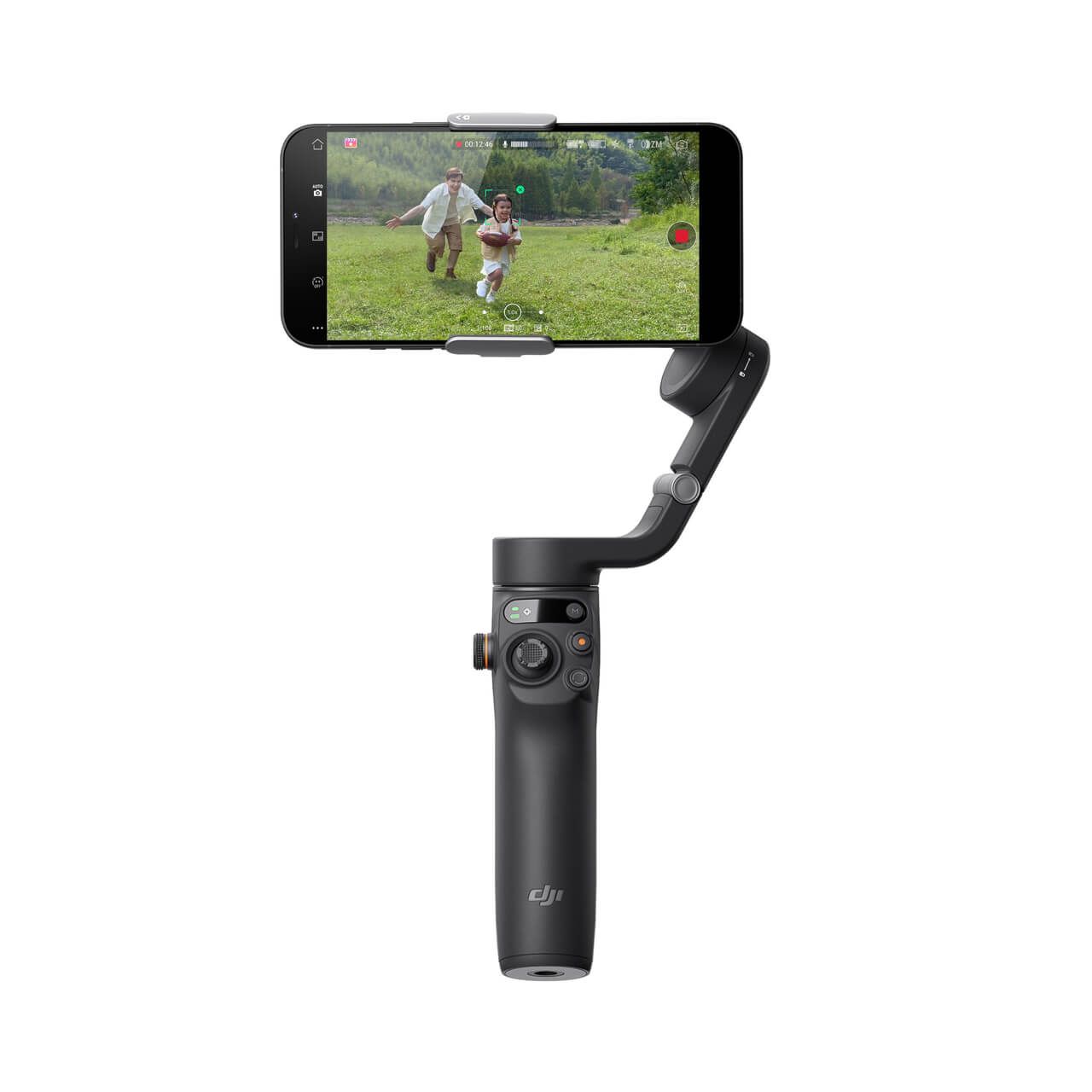
Keep the camera you already carry. This folding smartphone gimbal adds three-axis motorized stabilization, a magnetic phone clamp and a built-in extension rod to a compatible handset. For phone-first travelers, it ranks above the RS 4 because it supports the device already in their pocket without requiring a mirrorless camera and lens.
At approximately 305g for the gimbal, plus the separate phone clamp, it still adds weight to your day bag. In return, you get a grip for planned walking shots, selfies and filming yourself through supported DJI Mimo features. Recording resolution and image quality come from your phone, so buying this accessory does not turn an older handset into a different camera.
Check your handset against DJI's compatibility information before ordering, including the clamp's size and weight limits. App features also depend on the supported phone and software. Unlike the Action 5 Pro, this gimbal is not waterproof, so it belongs in a city-walking or sightseeing kit rather than an underwater setup.
Pros
- Three-axis motorized smartphone stabilization
- Folding design with a built-in extension rod
- Magnetic clamp allows phone attachment and removal
Cons
- Phone compatibility and DJI Mimo features need checking
- Gimbal is not waterproof
DJI RS 4 Gimbal Stabilizer
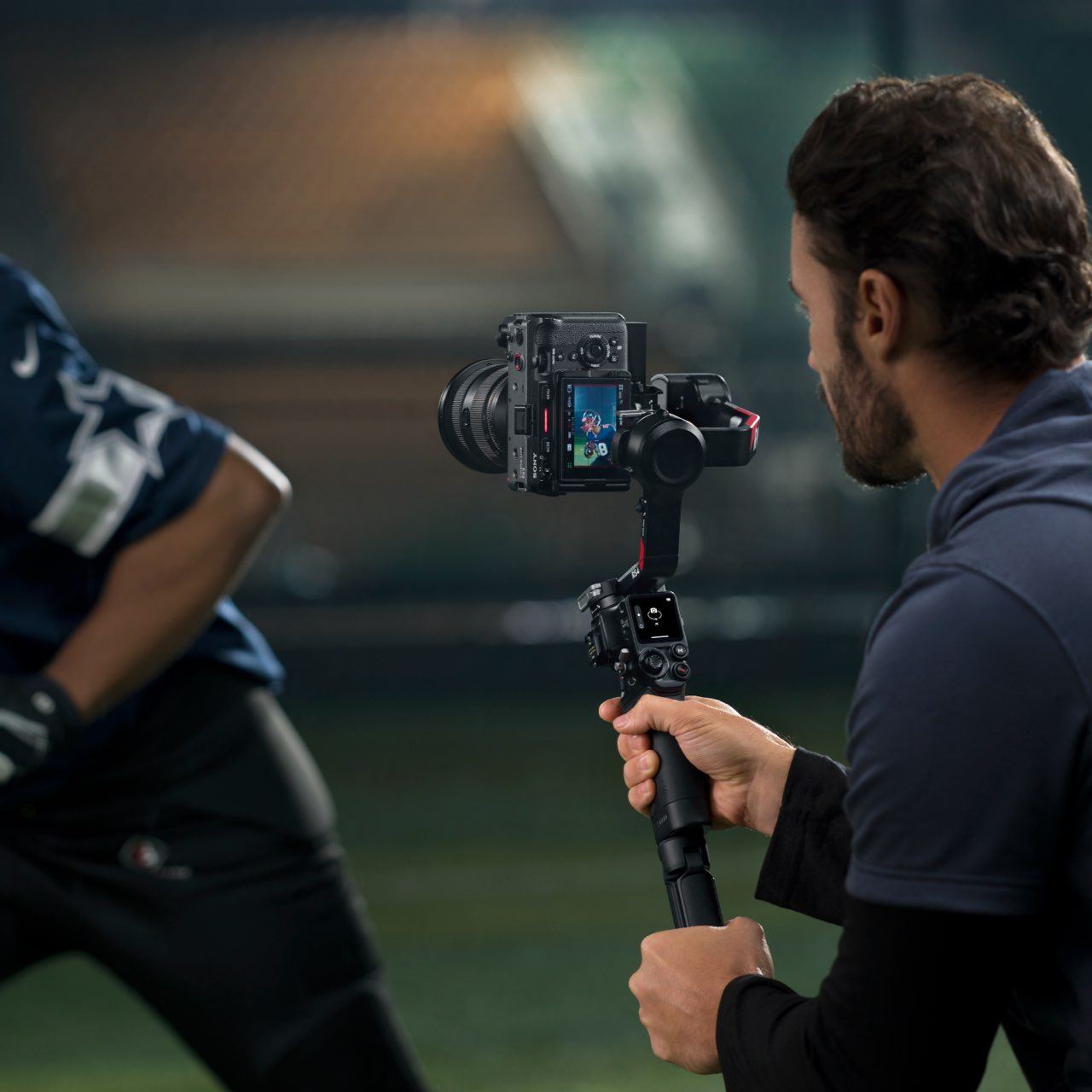
If your camera and lenses already produce the images you want, improve how you move them. The RS 4 supports compatible mirrorless setups within its 3kg payload rating and offers native vertical shooting. For an existing camera owner seeking stabilized moving shots, it ranks above buying the EOS R100 because it addresses camera movement while retaining the body and lenses they already use.
Switching between horizontal and vertical capture is useful when the same trip feeds both a longer video and social posts. Automated axis locks help with setup and storage, while the mounting arrangement supports balancing a compatible camera-and-lens combination. The payload figure is a ceiling to check alongside DJI's compatibility list; it does not establish that every rig below that weight will fit or support camera controls.
Expect to pack the stabilizer, camera, lens and the accessories your setup needs. That makes it a deliberate filmmaking choice, especially for a trip with planned shooting time. Travelers who want a quick clip before returning to the walk should consider the smaller setups above it.
Pros
- 3kg payload rating for compatible camera-and-lens setups
- Native vertical shooting without a separate vertical mount
- Automated axis locks for setup and storage
Cons
- Camera compatibility and balancing remain essential
- Adds equipment to an already separate camera-and-lens kit
Canon EOS R100 (18-45mm kit)
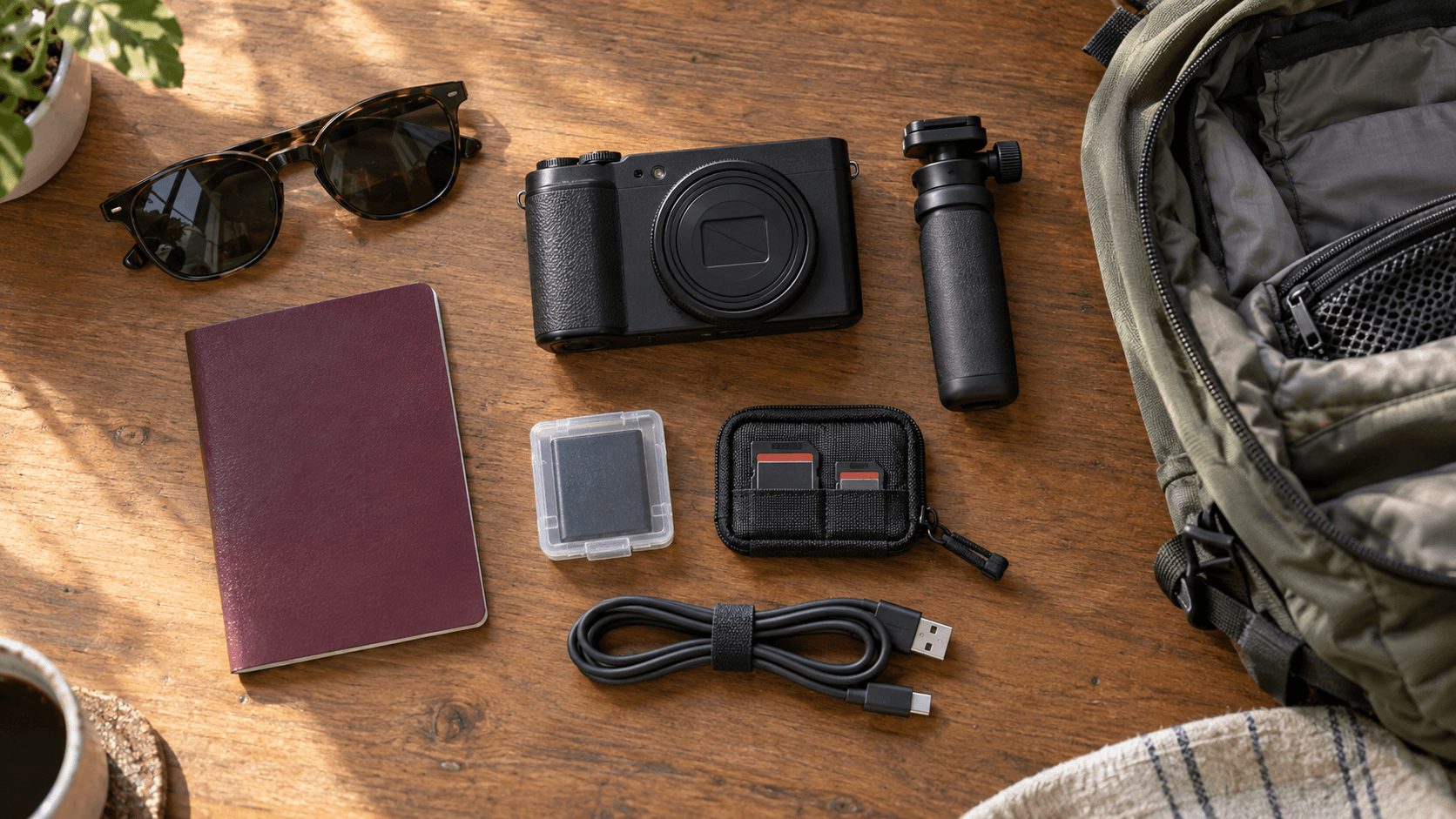
For a trip built around photographs, the EOS R100 offers a 24.1MP APS-C sensor and access to Canon RF and RF-S lenses. Its body weighs approximately 356g with battery and card, before adding the kit lens. That lower body weight puts it above the 375g black EOS R50 in this portability-focused ranking, although the R50 has stronger video features.
Be clear about the compromise: 4K recording is cropped, tops out at 24fps and uses contrast-detection autofocus. Its rear screen also lacks touch operation. Choose it for straightforward travel photography; move to the R50 if filming yourself and recording video deserve equal attention.
Pros
- 24.1MP APS-C sensor for still photography
- Approximately 356g with battery and card, excluding the lens
- Compatible with Canon RF and RF-S lenses
Cons
- Cropped 4K/24fps video uses contrast-detection autofocus
- Rear screen has no touch controls
Canon EOS R50 (18-45mm kit)
When stills and video share the itinerary, the EOS R50 is the Canon kit to choose. Its 24.2MP APS-C sensor, Dual Pixel CMOS AF II and vari-angle touchscreen make it more flexible for filming yourself than the R100. It also records 4K/30p footage oversampled from 6K.
Its position below the R100 reflects the ranking's preference for lower carried body weight, rather than a lack of recording options. Video-focused buyers should choose this camera over the R100 despite that order. Neither body has sensor-shift stabilization, so include the kit lens, any support equipment and your intended shooting style when planning the bag.
Pros
- 4K/30p video oversampled from 6K
- Vari-angle touchscreen for filming from either side
- Dual Pixel CMOS AF II with subject detection
Cons
- No sensor-shift in-body stabilization
- Lens and support equipment add to the camera's packed size
Compare the best travel cameras and stabilizers
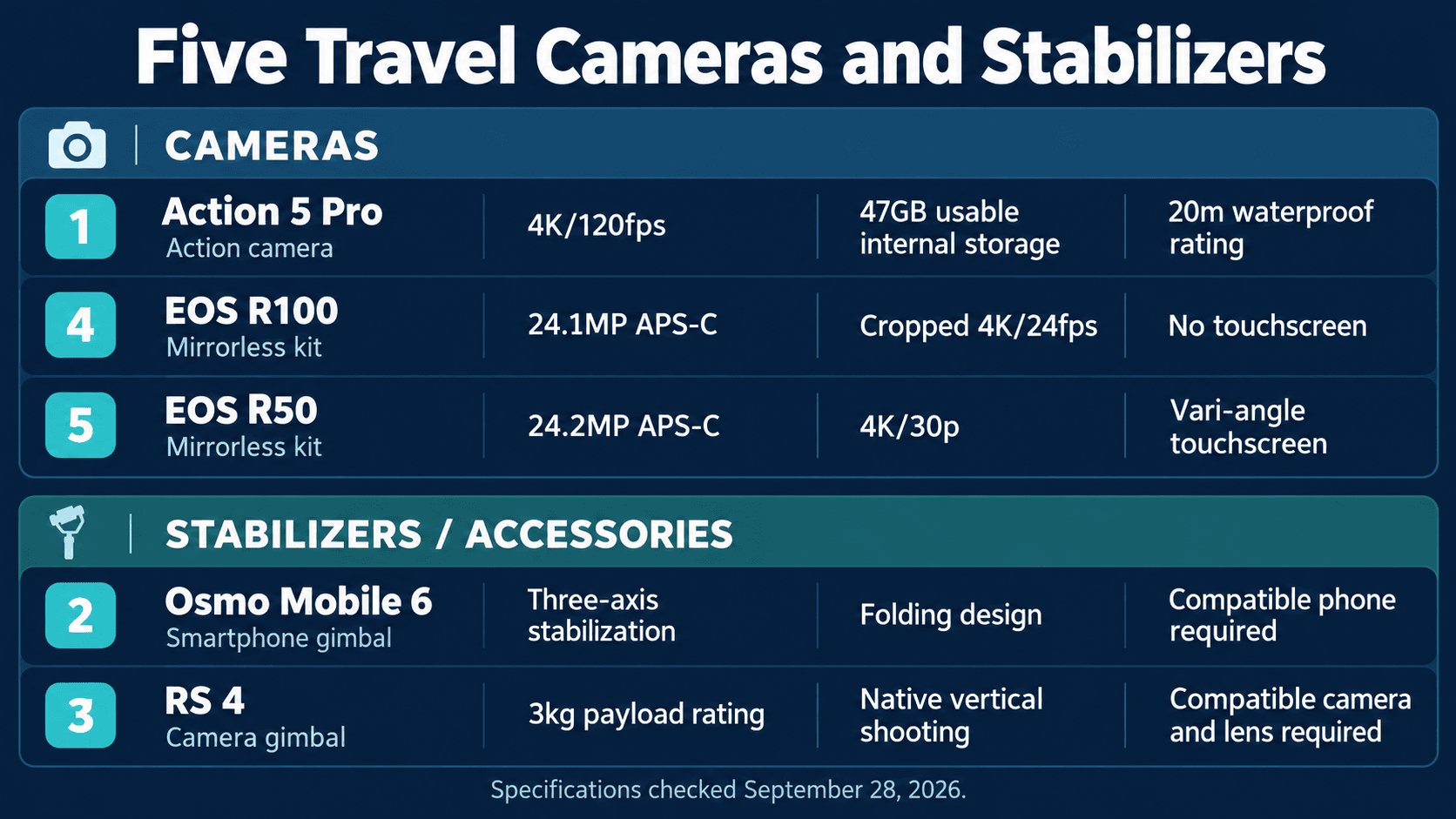
Use the category column first: the two gimbals require another device to record, while the three cameras capture footage themselves. That distinction matters more than comparing a stabilizer's feature list with a camera's resolution. Choose the setup that fits the equipment and shooting habits you will actually bring on the trip.
| Pick | Product | Category | Best For |
|---|---|---|---|
| #1 | DJI Osmo Action 5 Pro | Action camera | Adventure footage; 4K/120fps and 47GB usable storage |
| #2 | DJI Osmo Mobile 6 | Phone gimbal | Stabilizing a compatible smartphone |
| #3 | DJI RS 4 Gimbal Stabilizer | Camera gimbal | Compatible mirrorless rigs within a 3kg payload |
| #4 | Canon EOS R100 (18-45mm kit) | Mirrorless camera | Lightweight photo-focused Canon kit |
| #5 | Canon EOS R50 (18-45mm kit) | Mirrorless camera | Mixed stills and 4K/30p video |
Buying Guide
Start with the environment. For water activities and mounted adventure footage, the Action 5 Pro is the clear choice among these five because it has a specified waterproof rating and records without another device. GoPro HERO13 is worth comparing separately if 5.3K/60fps capture, 27MP photos, HyperSmooth 6.0 stabilization or HB-Series lens support matters more to your plans.
If choosing your framing later matters most, consider a 360-degree camera separately from these five picks. Insta360 X4 records up to 8K around the camera and supports reframing in its editing workflow. For 360-degree action capture, 8K resolution is essential because reframing crops a portion of the canvas, making higher source pixel density critical for preserving sharpness. Its removable lens guards and waterproof construction are relevant to packing and protecting that different camera format.
Aerial footage adds another equipment category and another set of travel decisions. The DJI Mini 4 Pro and Mini 5 Pro maintain ultra-compact footprints while offering 4K capture, long transmission ranges, and omnidirectional obstacle avoidance. Staying under the 249-gram threshold helps streamline regional compliance in many international destinations, making them ideal travel companions. Include the controller, spare batteries and destination requirements in the decision before adding a drone to a ground-camera kit.
For a gimbal, check compatibility before choosing accessories. The Osmo Mobile 6 needs a suitable phone, while the RS 4 needs a compatible, balanced camera-and-lens setup. Spare batteries, storage cards, a practical grip and a protective case should support the way you intend to shoot; buying every available mount rarely makes packing simpler.
Key specs to evaluate
Sensor size, recording mode and lens choice deserve separate attention. Cameras equipped with 1/1.3-inch or 1-inch CMOS sensors capture significantly clearer detail with reduced image noise during sunset or indoor scenes compared to smaller sensor formats. Within this shortlist, the Action 5 Pro uses a 1/1.3-inch sensor, while the Canon bodies use APS-C sensors and interchangeable lenses.
Check which features work together in the mode you intend to use. The Action 5 Pro reaches 4K/120fps, but subject tracking has a lower resolution ceiling. For the Canon kits, the R100's cropped 4K/24fps mode and the R50's 4K/30p recording are meaningful differences, particularly when you want to film yourself or keep a wider composition.
Stabilization and battery figures also need attention before a travel shoot. Proprietary algorithms such as HyperSmooth 6.0 and FlowState Stabilization greatly reduce camera shake, allowing smooth handheld, chest-mounted, or handlebar-mounted recording without requiring an external gimbal. Battery stamina directly influences field reliability; evaluating physical battery capacity alongside everyday runtime specs ensures your device lasts through full-day excursions without frequent recharging. DJI's stated Action 5 Pro runtime uses a specified recording mode and controlled conditions, so compare the conditions attached to any published runtime figure.
Among the best travel cameras and stabilizers here, the Action 5 Pro gets the recommendation for a compact adventure setup. Choose the Osmo Mobile 6 to support a phone, or the RS 4 to support a mirrorless camera you already own. For a new Canon kit, choose the R100 when lower body weight and stills take priority, and the R50 when video and a screen that faces you matter more.
Sources & References
Specifications and claims in this analysis were cross-referenced against the sources below.
- Side by Side Comparison: Canon EOS R100 vs. Canon EOS R50 ...dpreview.com
- DJI Osmo Action 5 Pro review | Tom's Guidetomsguide.com
- DJI Osmo Action 5 Pro Review: The Best Battery Life An Action Cam Can Get - BGRbgr.com
- DJI Osmo Action 5 Pro Reviewpcmag.com
- DJI Osmo Action 5 review: Low-light legend - T3t3.com
- DJI Osmo Action 5 Pro review – can DJI hold onto the crown?digitalcameraworld.com
- DJI Osmo Mobile 6 review: a rock-steady smartphone stabilizertechradar.com
- Review: DJI Osmo Mobile 6 - DPReviewdpreview.com
Frequently Asked Questions
Choose the DJI Osmo Action 5 Pro. It records 4K/120fps and is rated waterproof to 20 meters without a case when properly sealed. DJI recommends a case for prolonged underwater use or high-pressure water activities.