Fujifilm X-T5 Review: 40MP Detail, 7-Stop IBIS, and Dials That Still Matter
A spec-based Fujifilm X-T5 review of the 40MP APS-C sensor, 7-stop IBIS, subject-detection autofocus, and video specs, with a clear call on who this stills-first body suits and who should buy something else.
Noureddine M.··Specification analysis — not hands-on tested
Want 40 megapixels without hauling a full-frame kit across three time zones? That single question pushes a lot of photographers into the upper reaches of APS-C, and it is where this Fujifilm X-T5 review starts. Fujifilm built this body around a high-megapixel crop sensor and a row of mechanical dials, which puts it at odds with the video-first hybrids crowding the same shelf.
Tactile controls and resolving power sit at the front of the design. Landscape, architectural, and portrait shooters get the attention here, not vloggers. This is a spec-based analysis using published manufacturer specifications and market comparisons. No hands-on testing was conducted.
Positioned above mid-range crop-sensor options like the Sony A6700 and Canon EOS R7, it pairs a compact chassis with hardware you normally find in something bigger. High-density sensor, integrated stabilization, classic form factor. What follows works through how those published specifications translate into practical photographic utility, so you can decide whether a stills-first body fits your work and the glass you already own.
Some links in this article are affiliate links, which helps support GadgetPickr at no extra cost to you.
The Quick Take
Fujifilm refined the X-T line here rather than reinventing it, and the result lands squarely on stills. You get a 40MP APS-C X-Trans CMOS 5 HR BSI sensor, 7-stop in-body stabilization, and three exposure dials you can read with the camera switched off. Detail, handling, and a body that stays out of your way. Buy it for stills. Skip it if your paycheck comes from video.
Verdict
The short version of this Fujifilm X-T5 review: buy it if you are a stills photographer who wants maximum detail in a camera you can carry all day, and the single strongest reason is a 40MP APS-C sensor sitting behind 7-stop stabilization in a chassis this small. Skip it if you shoot video for a living, and the single strongest reason there is a screen that will not face you, wrapped in a control layout that assumes your eye is at the viewfinder.
Positioning matters too. Body-only, this sits at the high end of APS-C, above mid-range crop-sensor rivals and below full-frame, with a kit configuration available alongside the XF16-50mmF2.8-4.8 R LM WR lens. Detail at base ISO is strong. Shoot constantly in poor light without stabilization and a full-frame body will hand you a different noise profile, while APS-C rivals like the Sony A6700 and Canon EOS R7 behave differently on subject tracking. Check your lens shelf before anything else, because the X-mount catalog is a large part of what you are buying into.
For photographers chasing maximum detail in a portable form factor without committing to larger, heavier full-frame lenses, this hits a sweet spot few cameras occupy. Classic operation, modern sensor resolution, stabilization to match. Travel, landscape, and documentary shooters should put it near the top of the list.
Fujifilm X-T5 Mirrorless Digital Camera Body
High-Resolution Still Photography, Action Photography, Travel
Start with the sensor. A 40-megapixel X-Trans CMOS 5 HR back-illuminated chip works alongside the X-Processor 5 engine, and that pixel density on an APS-C surface buys you two things: detail for large landscape prints, and room to crop hard without watching resolution drain away. The X-Trans color filter array uses a non-Bayer layout to control moiré and false color without an optical low-pass filter, so a sharp prime stays sharp. Fine texture in rock, foliage, and brickwork survives at print sizes where lower-resolution crop bodies start to smear.
High resolution punishes shaky hands, though. To offset the increased sensitivity to motion blur inherent in high-resolution sensors, the camera features an integrated 5-axis in-body image stabilization (IBIS) system rated for up to 7 stops of compensation. Handheld work in dim rooms gets easier, and shutter speeds you would normally reject become usable. Mount an optically stabilized lens and the two systems work together.
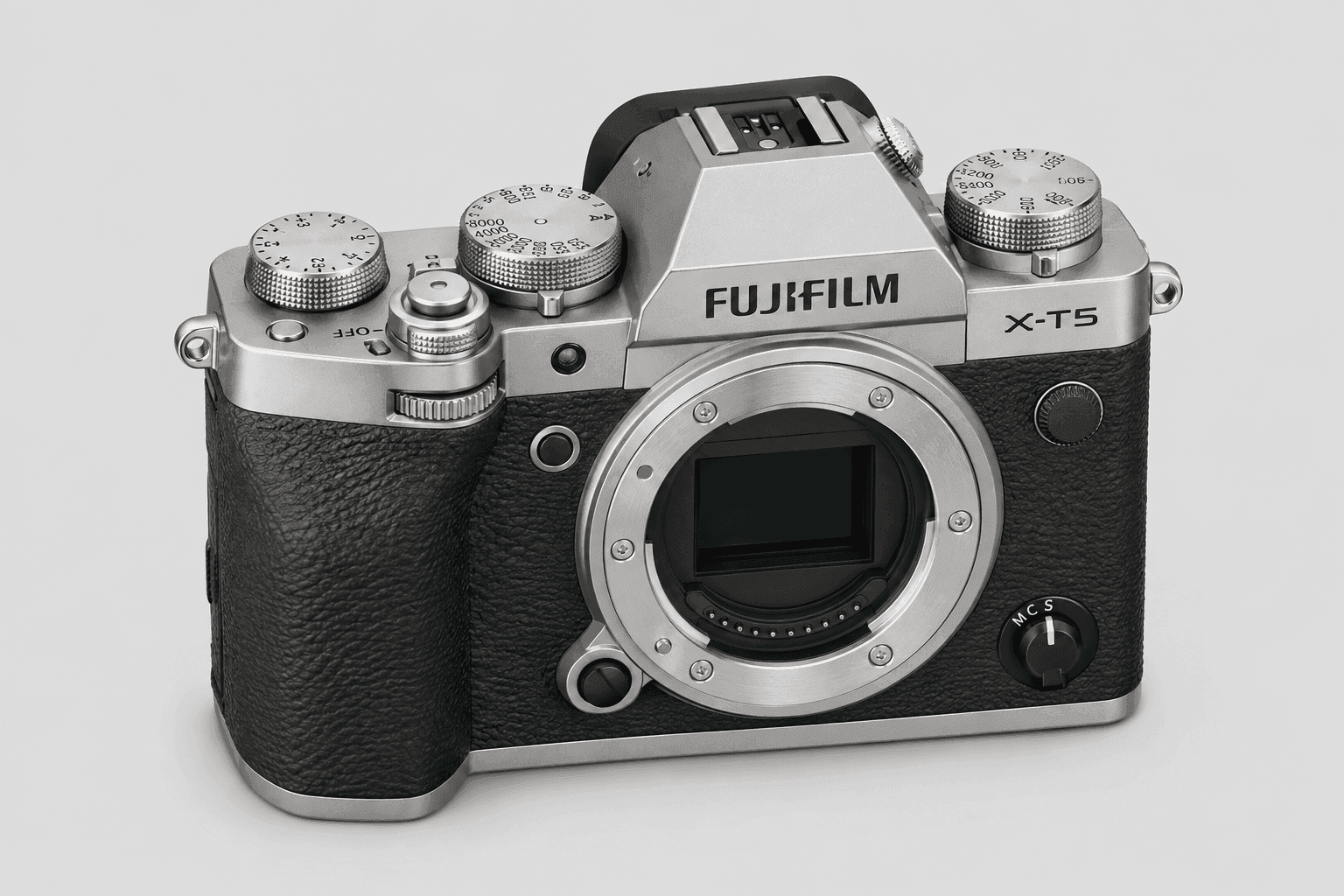
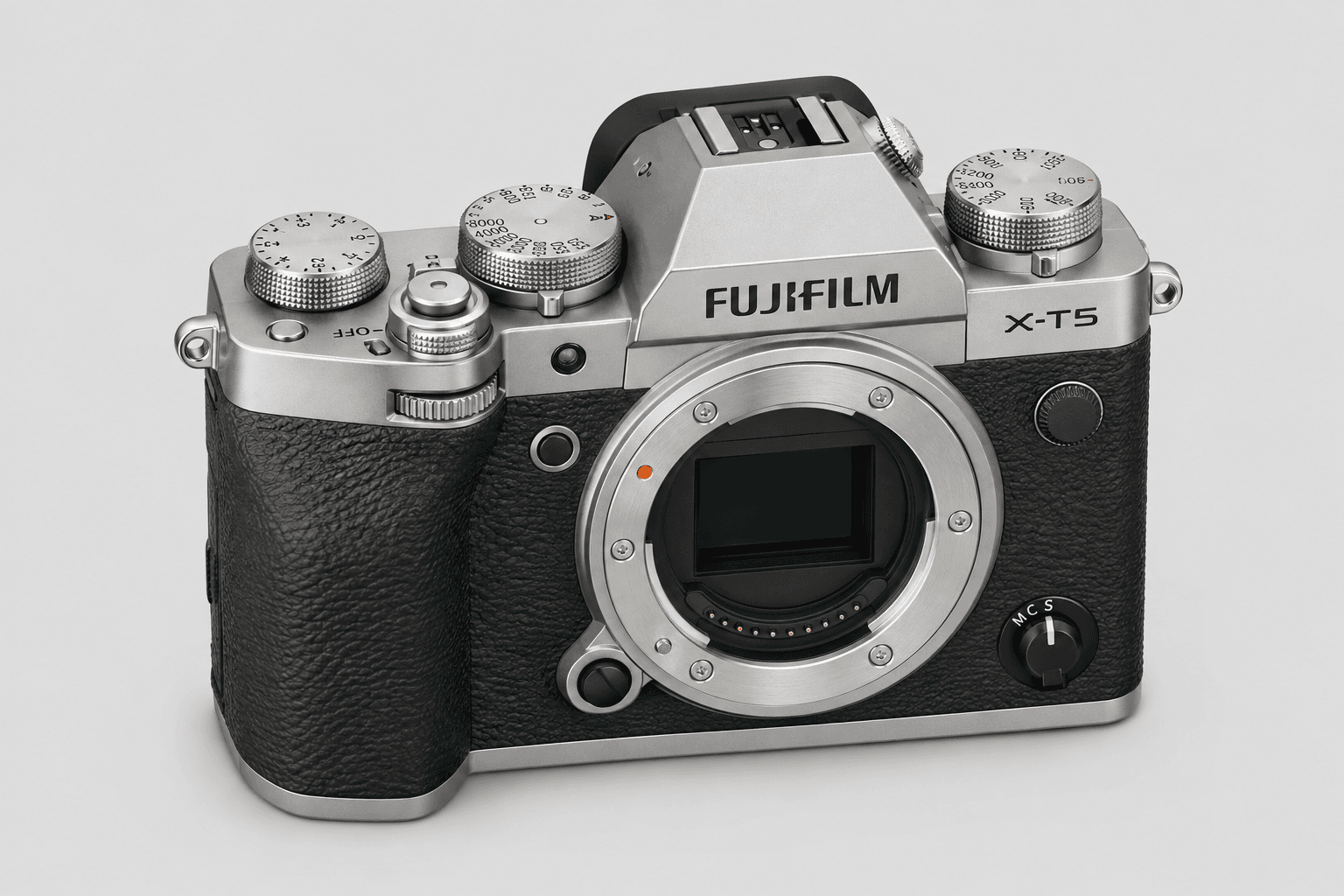
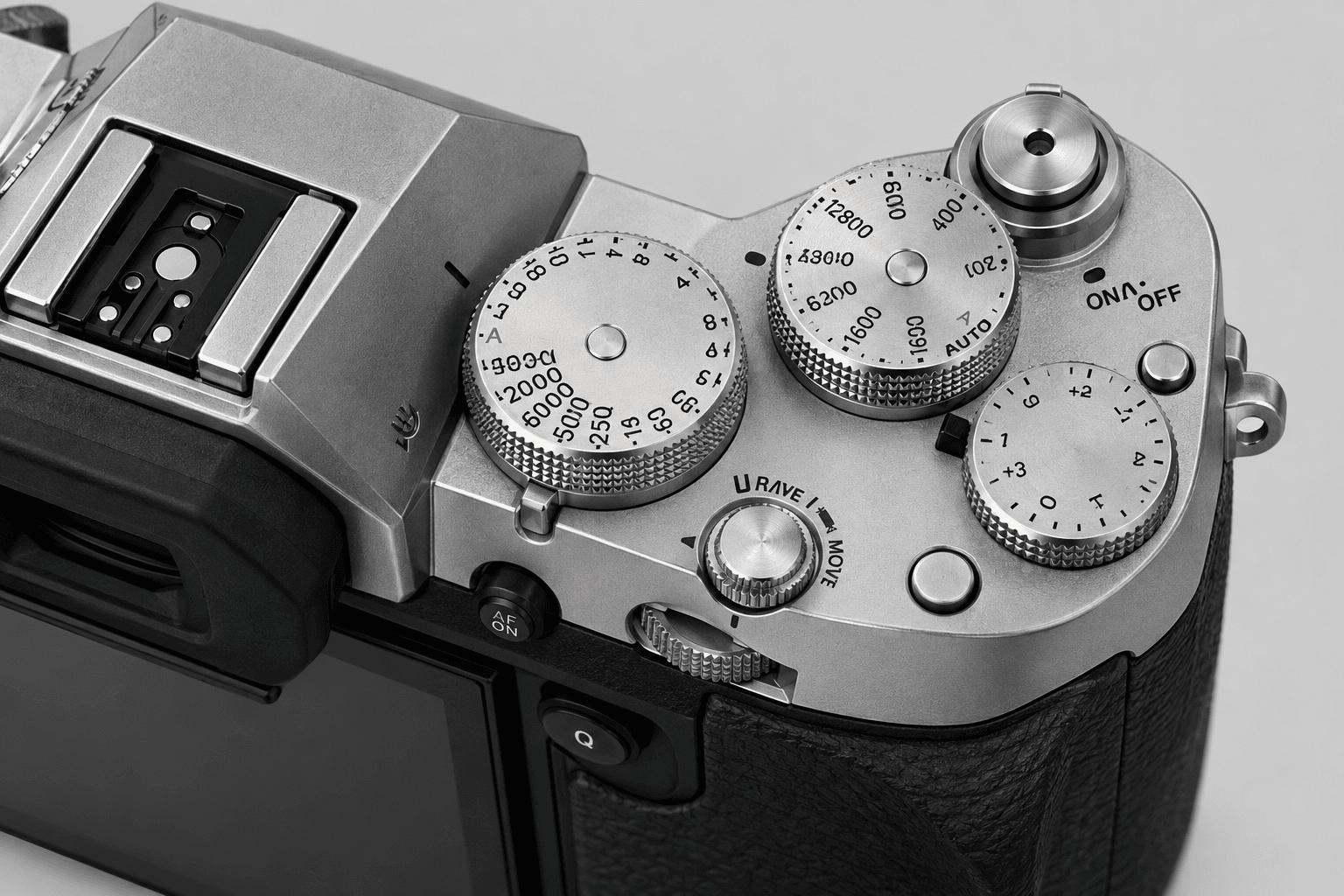
Physically, this is a deliberate step backward in the best sense. Dedicated top-plate dials for shutter speed, ISO sensitivity, and exposure compensation replace the menu diving that dominates modern bodies. A three-way tilting LCD handles horizontal and vertical still compositions but never swings out to face you, which is a stills photographer's compromise made on purpose. It keeps the profile slim and the optical axis aligned during low-angle tripod work.
Autofocus leans on deep-learning subject detection for animals, birds, vehicles, and people. Processing hardware enables continuous shooting up to 15 frames per second using the mechanical shutter, or 20 frames per second with the electronic shutter at a minor crop factor. Two UHS-II SD slots handle redundant backup or fast data flushing during long sessions. Sealing spans 56 weather-sealed points, which matters the moment you are shooting in blowing dust or drizzle. Field reliability is a large part of the pitch for a camera aimed at people who work outdoors.
Video is competent rather than central, offering 6.2K recording at 30p and 4K up to 60p with 10-bit 4:2:2 internal color sampling. F-Log2 support expands dynamic range to 13+ stops for color grading workflows. Enough for a photographer who films now and then. Not enough to change what this body fundamentally is.
Key Specs and Compatibility
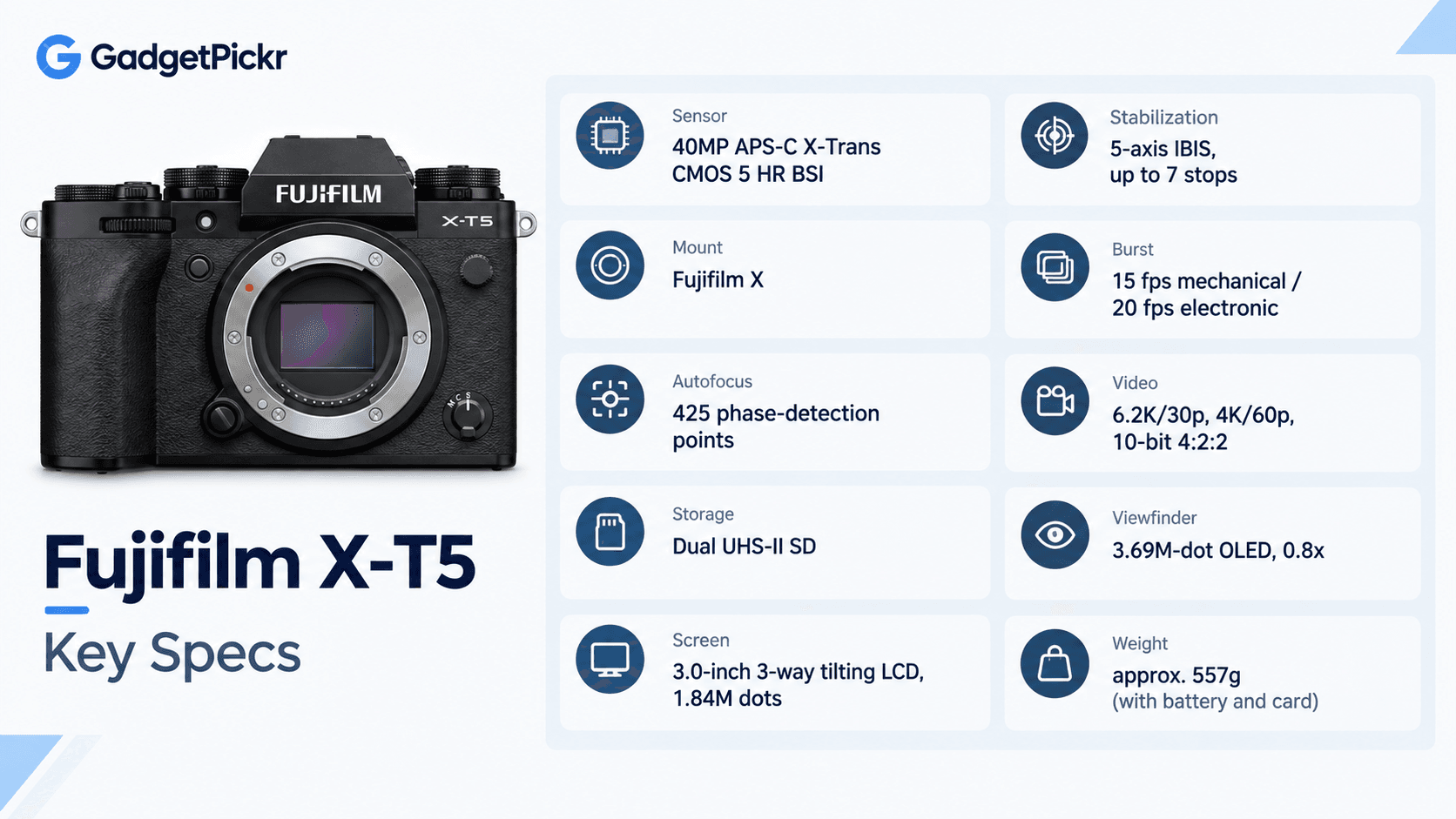
Here is the hardware in one place, drawn from Fujifilm's published specifications for the body-only configuration.
Specification
Value
Sensor Type
40MP APS-C X-Trans CMOS 5 HR BSI
In-Body Stabilization
5-axis IBIS (up to 7 stops)
Lens Mount
Fujifilm X Mount
Mechanical Shutter Speed
1/8000 sec to 15 min
Electronic Shutter Speed
Up to 1/180000 sec
Continuous Drive
15 fps (Mechanical), 20 fps (Electronic)
Autofocus Points
425-point phase-detect autofocus
Storage Slots
Dual UHS-II SD / SDHC / SDXC
Viewfinder
3.69M-dot OLED EVF (0.8x magnification)
Display Screen
3.0-inch 3-way tilting LCD (1.84M dots)
Body Weight
Approx. 557g (with battery and card)
Around that body sits a deep X-mount lens catalog, NP-W235 batteries, direct USB-C charging, and standard Micro HDMI output.
What Stands Out
Resolution is the headline, and it earns the spot. Packing 40 megapixels onto an APS-C frame gives you detail across dense landscapes, intricate portraits, and fine architectural texture, plus the freedom to crop aggressively and still print large. Back-illuminated design helps those smaller photosites gather light, which keeps files clean at lower native ISO sensitivities.
Stabilization is the second pillar. Five-axis sensor-shift correction lets you shoot handheld at shutter speeds that would otherwise guarantee blur. Slower shutter speeds mean lower ISO, and lower ISO means cleaner files. Evening cityscapes, museum interiors, a candlelit dinner table: situations that normally force a tripod or an ugly ISO number become ordinary shots. The benefit compounds.
Handling is why a lot of photographers choose this body over anything else on the shelf. Shutter speed, ISO, and exposure compensation each get a real dial on the top plate, legible before you even switch the camera on. You set exposure before you raise the camera to your eye. It is a slower, more deliberate way to work, and the chassis holds all of that hardware without ballooning in size.
Then there are the Film Simulations. Fujifilm's color profiles produce finished JPEGs straight out of camera, which removes the editing step entirely when you need to deliver the same day. Pair that with the sensor and the stabilization and you get a camera with a clear personality rather than a spec sheet.
Strengths
Three workflows suit this camera especially well: high-resolution stills, street work, and travel. A small body plus 7-stop IBIS means the tripod stays at the hotel. Moving through a crowded market or running a quick portrait session, you are not fighting your own gear. Weight is a real constraint on a long trip, and roughly 557g with battery and card keeps this one in the category of gear you actually bring.
Crop flexibility is the underrated part of 40 megapixels. Street and travel shooting rarely give you time to swap lenses or nail the framing, so you shoot loose and fix it later, and there is still enough resolution left for a large-format print or a high-density display. Physical dials help here too, since adjustments happen by feel in changing light, without your eye leaving the viewfinder.
Shooting direct to publish? Film Simulations pay for themselves. Rich, consistent color without an evening lost to RAW software. Subject-detection autofocus handles portraits, street subjects, and travel landscapes well enough that composition stays your main job. For editorial and event shooters on deadline, that difference gets measured in hours.
Weaknesses
Every design choice costs something. A 40MP APS-C sensor is demanding on glass, and an older or lower-tier lens will show its softness and optical flaws at full resolution in a way a lower-density body would have quietly hidden. Getting everything this sensor can give you means buying modern, high-quality lenses to match. Budget for glass accordingly, because the body on its own will not deliver everything the sensor promises.
Then there is the file problem. Those 40MP RAW and JPEG files pile up fast, and they want card space, drive space, and a computer that can chew through them. Long continuous bursts during action shooting will fill storage quickly, and buffer clearing depends heavily on the card you feed it. Sort out fast UHS-II cards and an archive plan before your first long shoot, not after.
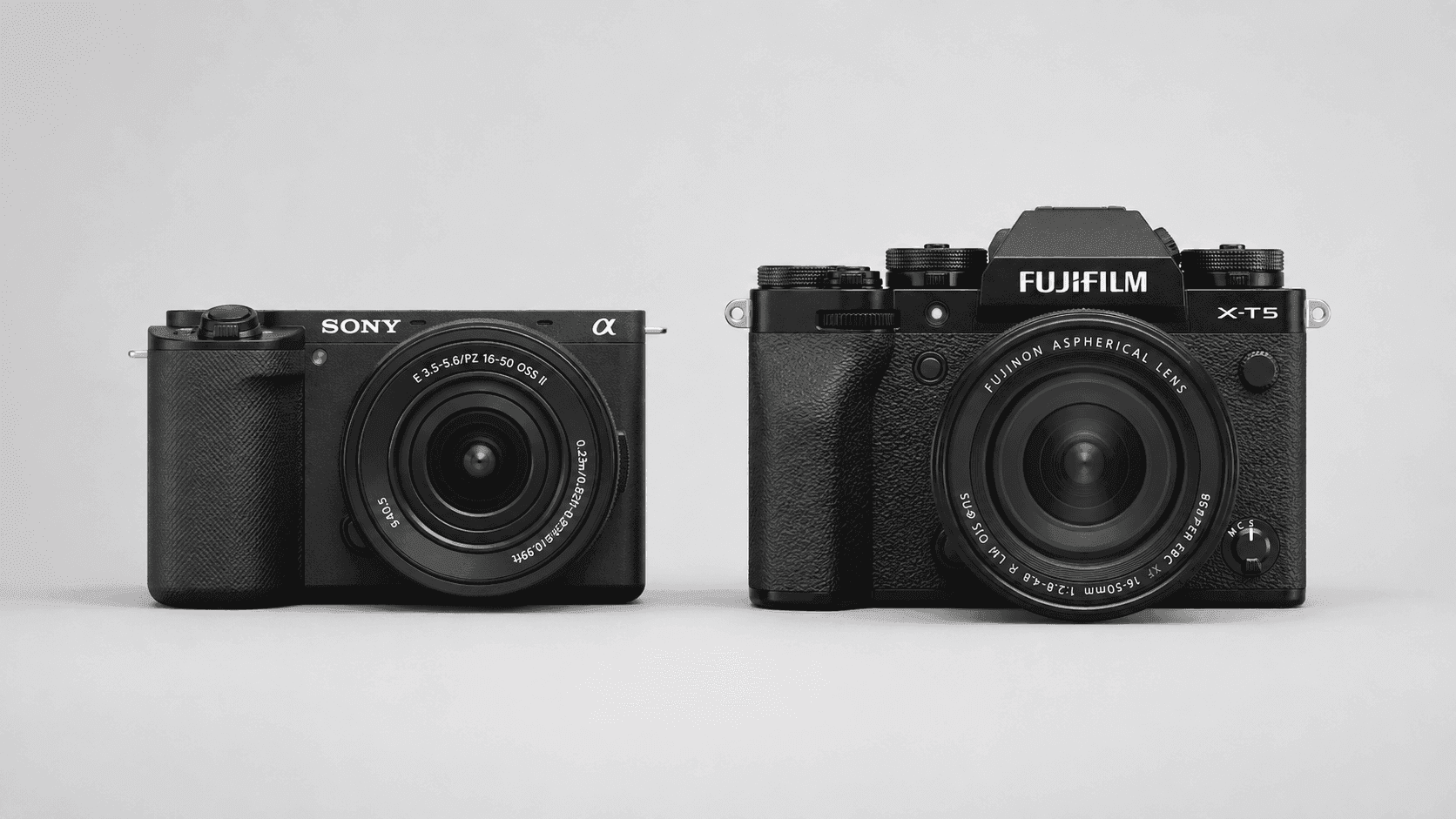
Against hybrid-leaning rivals like the Sony A6700, Canon EOS R7, or Sony ZV-E10 II, this body picks stills and commits. Video works, but the tilt screen, the dial layout, and the whole control philosophy point away from vlogging and solo video rigs. Buying it means accepting that trade rather than engineering around it.
Best Alternatives
Sony's A6700 is the obvious cross-shop. It gives up pixel count to the 40MP X-Trans CMOS 5 HR BSI sensor but returns a more streamlined, video-friendly body with AI-driven subject recognition and real-time tracking, so if you chase fast, erratic subjects or already own E-mount glass, the trade is Sony's tracking and hybrid ergonomics for Fujifilm's exposure dials, 7-stop IBIS headroom, and film simulation controls.
Canon's EOS R7 chases wildlife, sports, and action shooters with quick burst speeds, Deep Learning tracking, and deep buffer depth, and you pay for it with a chunkier DSLR-style grip, lower sensor resolution, and an RF-S lens catalog that stays thin next to Fujifilm's X-mount lineup. Lens availability is the quiet decider between these two, and Fujifilm has the longer head start.
Inside Fujifilm's own range, the X-H2 shares the 40MP sensor and processing architecture but swaps the dials for a PASM layout, adds a top status LCD, and grows into a heavier chassis built for cinema rigs and long video takes, so pick the X-T5 instead when you want the lighter body, the three-way tilt for ground-level stills, and classic tactile control. Shopping well below this tier, the Sony ZV-E10 II is the lightweight creator option, trading away the advanced weather sealing, mechanical shutter durability, sensor resolution, and 7-stop in-body stabilization that define this camera's high-end positioning.
Who Should Buy It
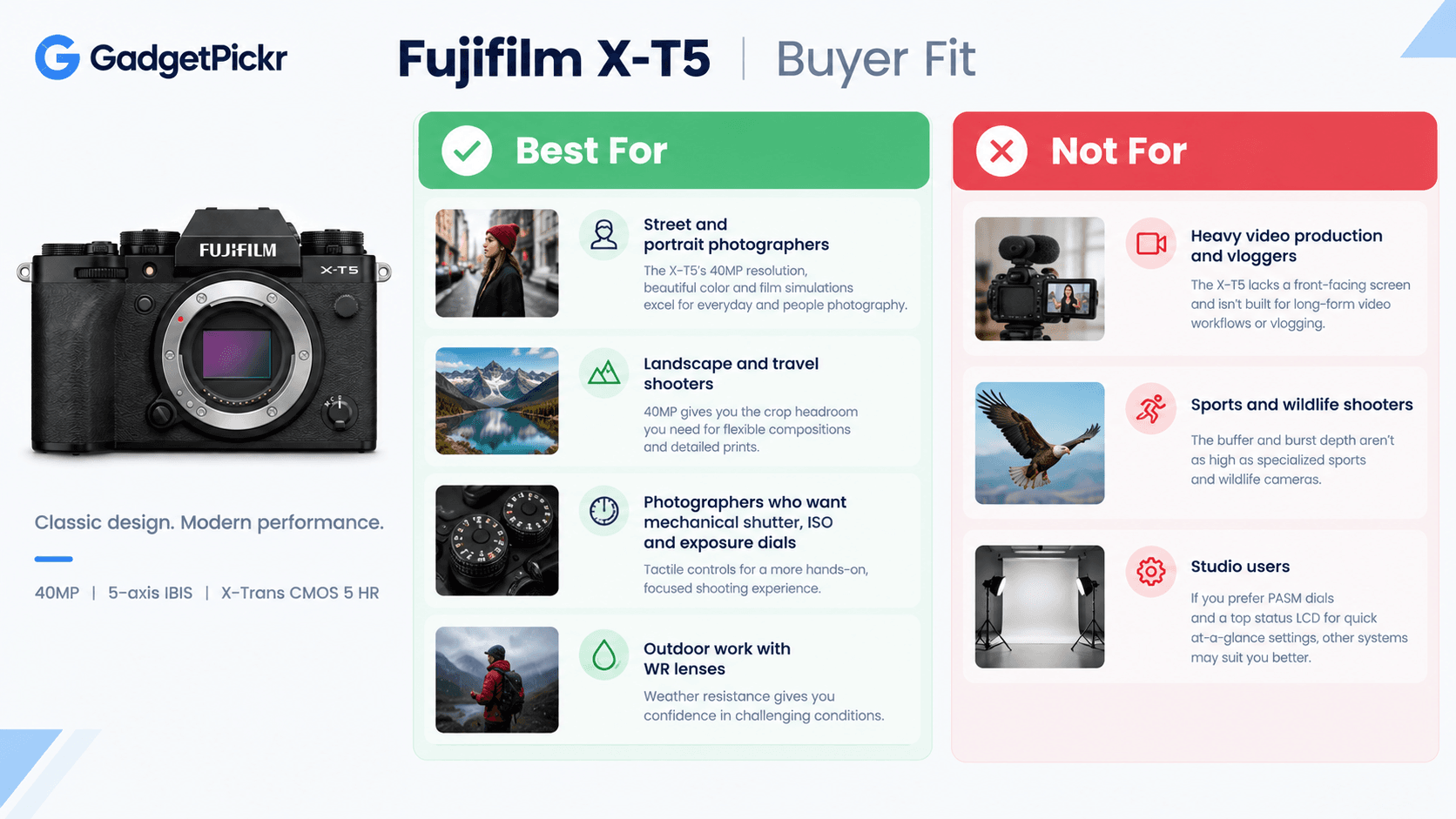
Buy this if you shoot stills and want serious detail without full-frame weight. Landscape shooters, street photographers, travelers, and anyone producing large-format prints or cropping hard for fine-art work will get the most from the 40MP APS-C X-Trans CMOS 5 HR BSI sensor and up to 7 stops of in-body image stabilization behind it. Fine-art printers and anyone who sells large work will notice that headroom first.
It suits purists too, photographers who actively want mechanical controls. Dedicated dials for shutter speed, ISO, and exposure compensation turn exposure into a physical act instead of a menu task. Weather-resistant construction paired with WR-rated lenses covers outdoor work in bad conditions. If high-end APS-C image quality, Fujifilm's film simulations, and a body you can carry all day are what you are after, very little competes this directly.
Commission may be earned from this link, at no extra cost to you.
Who Should Skip It
Videographers and hybrid content creators, look elsewhere. That three-way tilting LCD serves horizontal and vertical stills and will not flip forward, so self-monitoring, vlogging, and solo rigs turn awkward immediately. A fully articulating screen on a rival body solves a problem this one does not acknowledge.
Serious action, sports, and wildlife work deserves a second look as well. Subject detection here is intelligent, but bodies built around burst shooting hold continuous tracking lock more consistently and carry deeper buffers. Studio photographers who live on PASM dial layouts and top-panel LCD status screens will also find the analog interface slower for quick parameter checks at commercial pace. None of that makes this a poor camera for the occasional bird or Saturday football match. It simply is not the use case the body was optimized around.
Sources & References
Specifications and claims in this analysis were cross-referenced against the sources below.
It records 6.2K at 30p and 4K up to 60p, which covers occasional filming. The tilting screen will not face forward, though, so dedicated videographers and vloggers are better served by a hybrid body with a fully articulating display.