Airline allowances and local aviation rules ground more travel shoots than bad weather does. That is the awkward part of working out how to choose a drone for 4K video: the sharpest camera in the category may be the one you cannot legally launch from where you are standing. So the decision starts on the ground, with grams and paperwork, not with pixel counts.
Small sensors used to be the tax you paid for portability. Muddy shadows. Thin dynamic range. Noise the second the sun dropped behind a ridge. That gap has narrowed enough that the real trade-offs have moved elsewhere — gimbal range, usable flight duration under wind load, transmission stability, and how many directions the aircraft is actually watching for obstacles.
Get those four wrong and the failure modes are boringly predictable. Signal drops in a city canyon. Clipped highlights at noon. A tree branch nobody saw.
The Quick Take
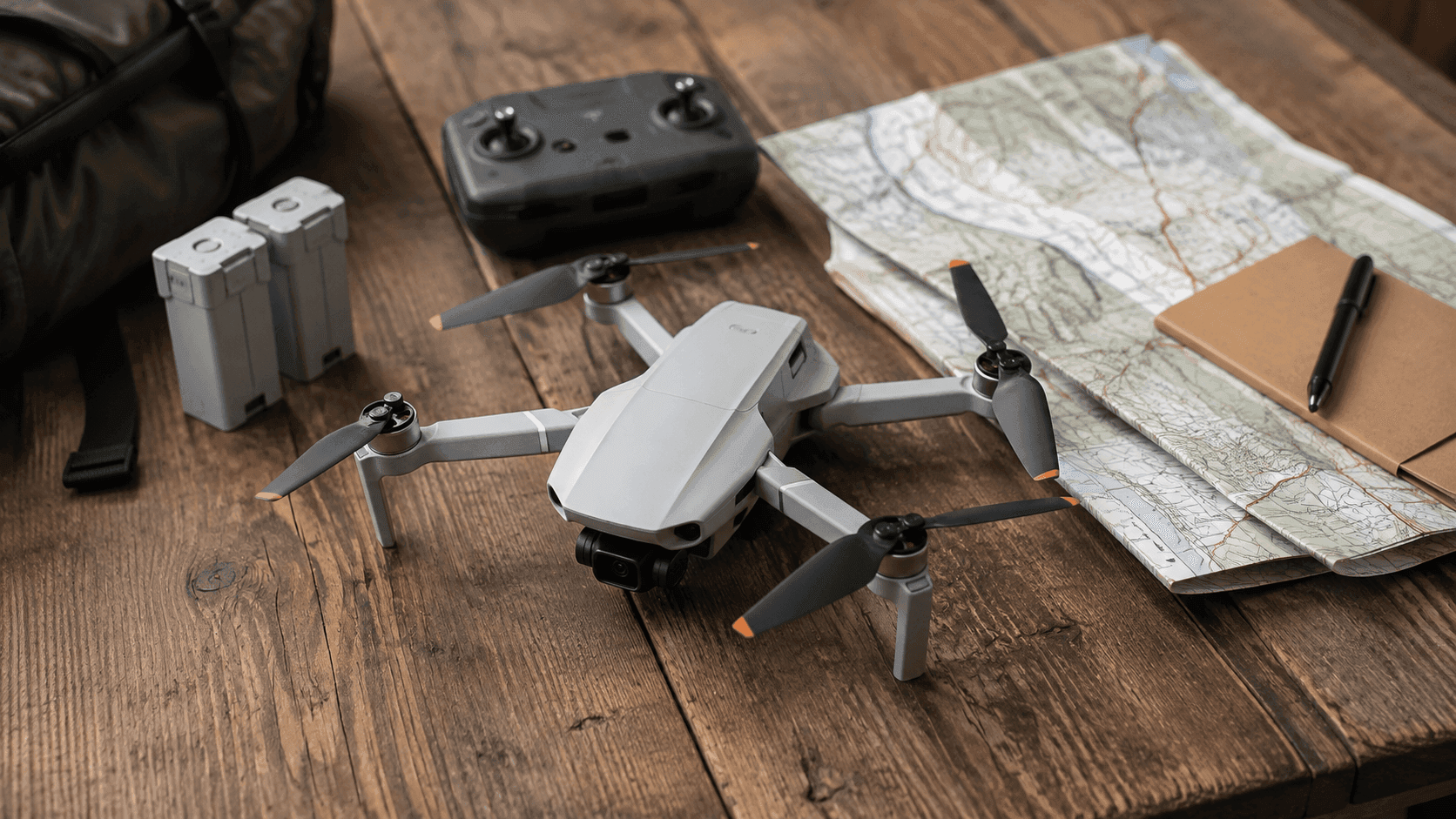
Three specs decide this purchase: sensor size, takeoff weight, and how much of the airframe carries obstacle sensors. If you fly across borders and would rather not register anything, stay under 249 grams — the DJI Mini 5 Pro is the reference point for that class, pairing a 1-Inch CMOS sensor with a frame light enough to skip the paperwork.
How to choose a drone for 4K video, step by step
Start with the sensor, and be honest about when you actually fly. Mostly mid-morning to mid-afternoon over open landscape? A 1/1.3-inch or 1/2-inch chip handles that light without complaint. If your best twenty minutes come after sunset, or you shoot into backlit canyons, move up a class. The DJI Mini 5 Pro carries a 1-inch CMOS sensor, which is the practical dividing line for holding shadow detail in twilight and keeping detail in high-contrast landscapes.
Frame rate follows the same logic. Deliver at 24 or 30fps and never retime a clip, and 4K at 60fps is a luxury. Slow anything down in the edit, even occasionally, and treat higher frame rates as a hard requirement rather than a nice extra.
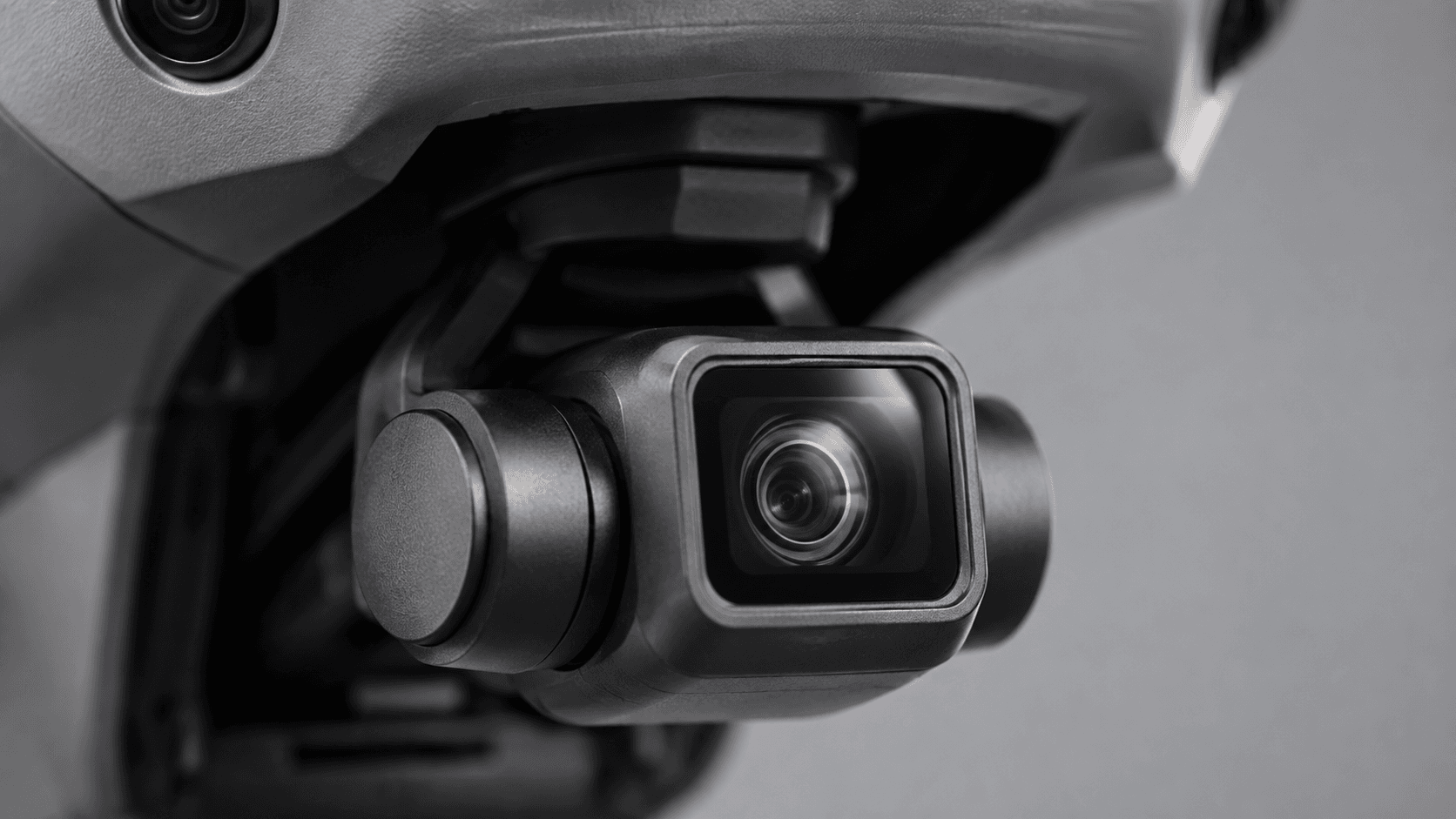
Second, look at what the gimbal does besides tilt up and down. If more than a third of your output ends up vertical, buy for native vertical capture — the Mini 5 Pro's 225° gimbal rotation covers wide upward angles and true portrait framing without cropping sensor resolution away.
Third, flight time, which is always a fiction on the box. Rated figures assume no wind and passive hovering. A single battery rating of 30 minutes typically yields around 21 minutes of actual recording time after accounting for safety margins, wind resistance, and return-to-home reserves. The rule: if your itinerary has more than two locations in a day, buy the multi-battery kit and stop thinking about outlets.
Fourth, weigh it. Drones weighing under 249 grams generally fall below strict registration requirements in many jurisdictions, which is the whole reason the class exists. Weight class does not excuse you from sensing, though. Fly anywhere near trees, wires, or cliff walls and omnidirectional obstacle coverage stops being optional — those are the objects that end a flight instantly.
Finally, the controller. Shooting in open sun, or for longer than an hour at a stretch? Buy the dedicated controller with an integrated high-brightness screen, such as the DJI RC 2, and keep your phone out of the equation entirely.
Recommended product categories
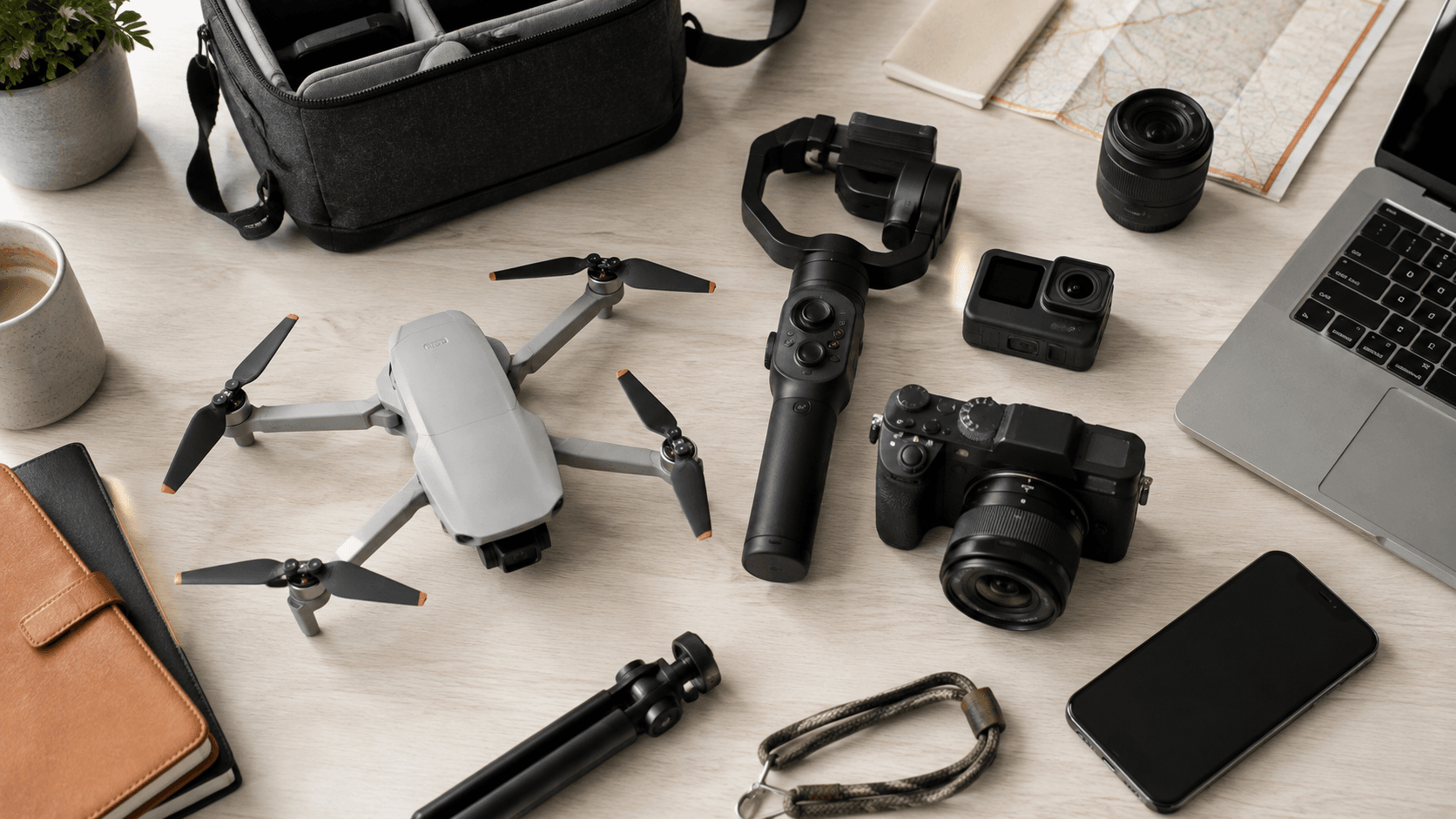
Ultra-light sub-249g aircraft are the default answer for travel creators, and the reason is administrative as much as physical. Models such as the DJI Mini 5 Pro Fly More Combo with DJI RC 2 fold a 1-inch CMOS sensor and omnidirectional obstacle sensing into a frame that clears most registration thresholds — you get high dynamic range and tracking without the customs anxiety.
Publishing to more than one platform? Then gimbal flexibility outranks almost everything else on the spec sheet. Look specifically for native vertical shooting and extended pitch ranges up to 225 degrees, so social cuts and horizontal edits come off the same flight instead of the same crop.
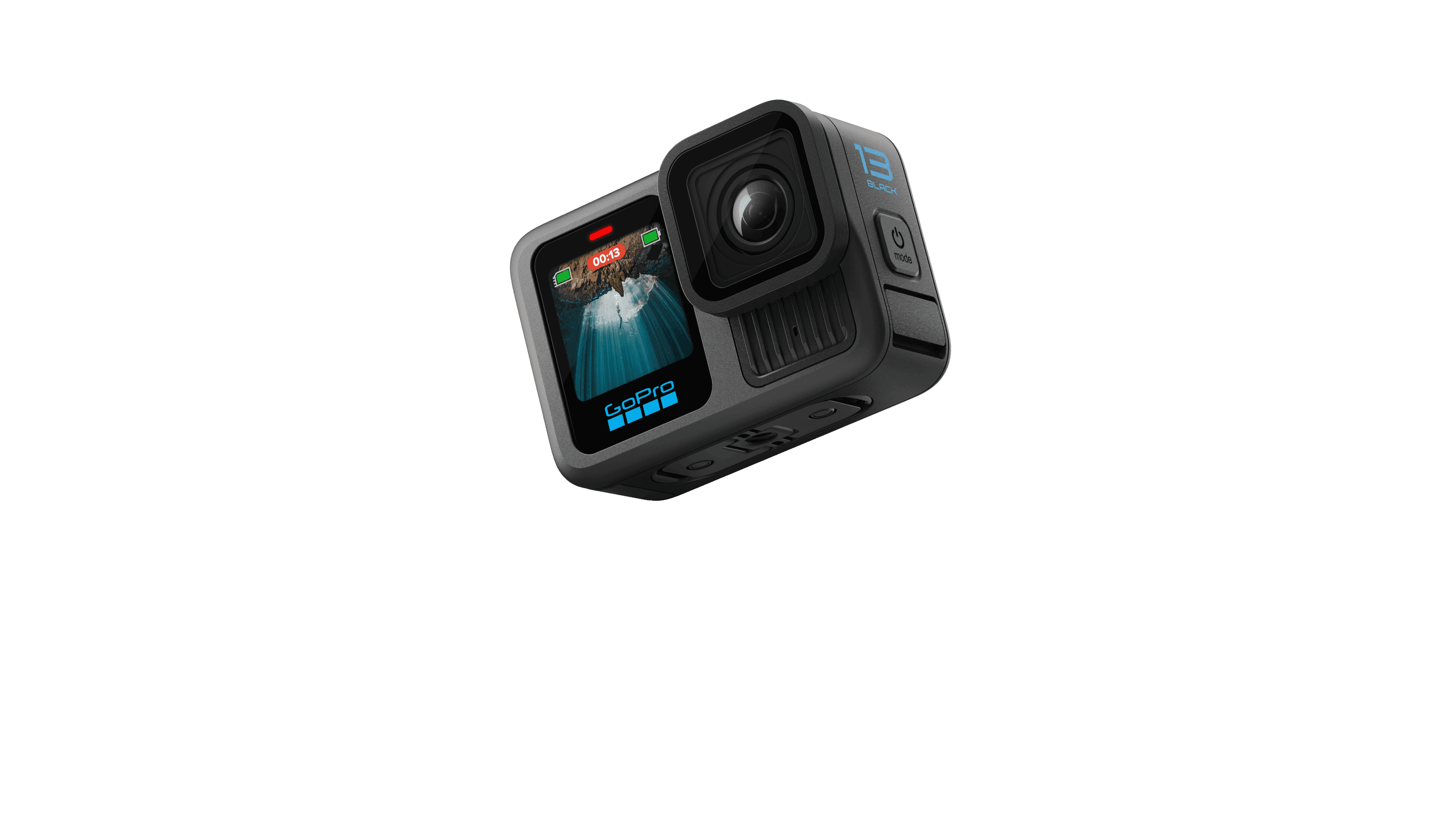
Fast-moving subjects, trail work, or anywhere flying is restricted outright — that is a job for ground gear, not a better propeller. Action cameras like the GoPro HERO13 Black or Insta360 X4 fill those gaps with high-frame-rate stabilization and 360-degree coverage.
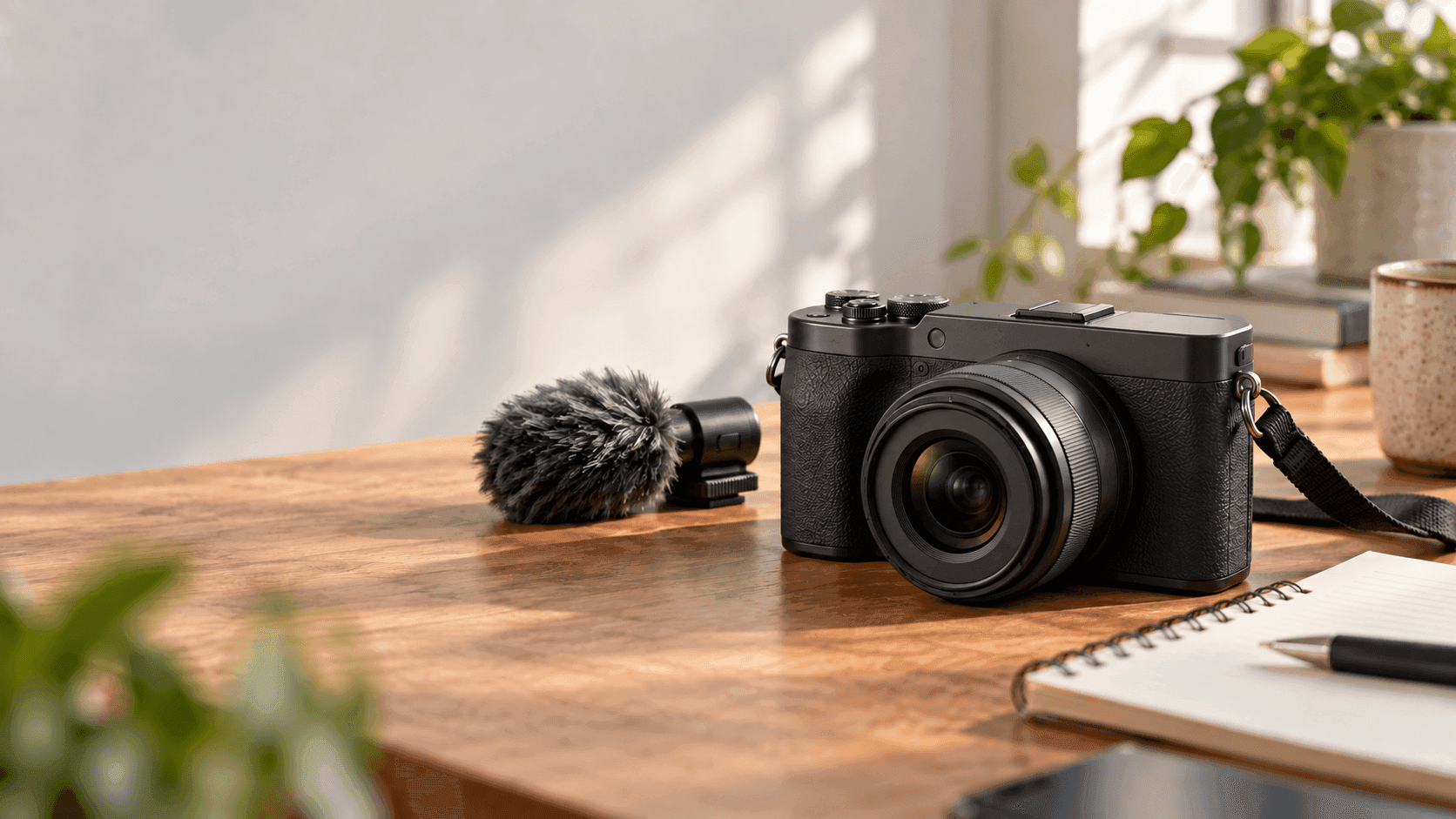
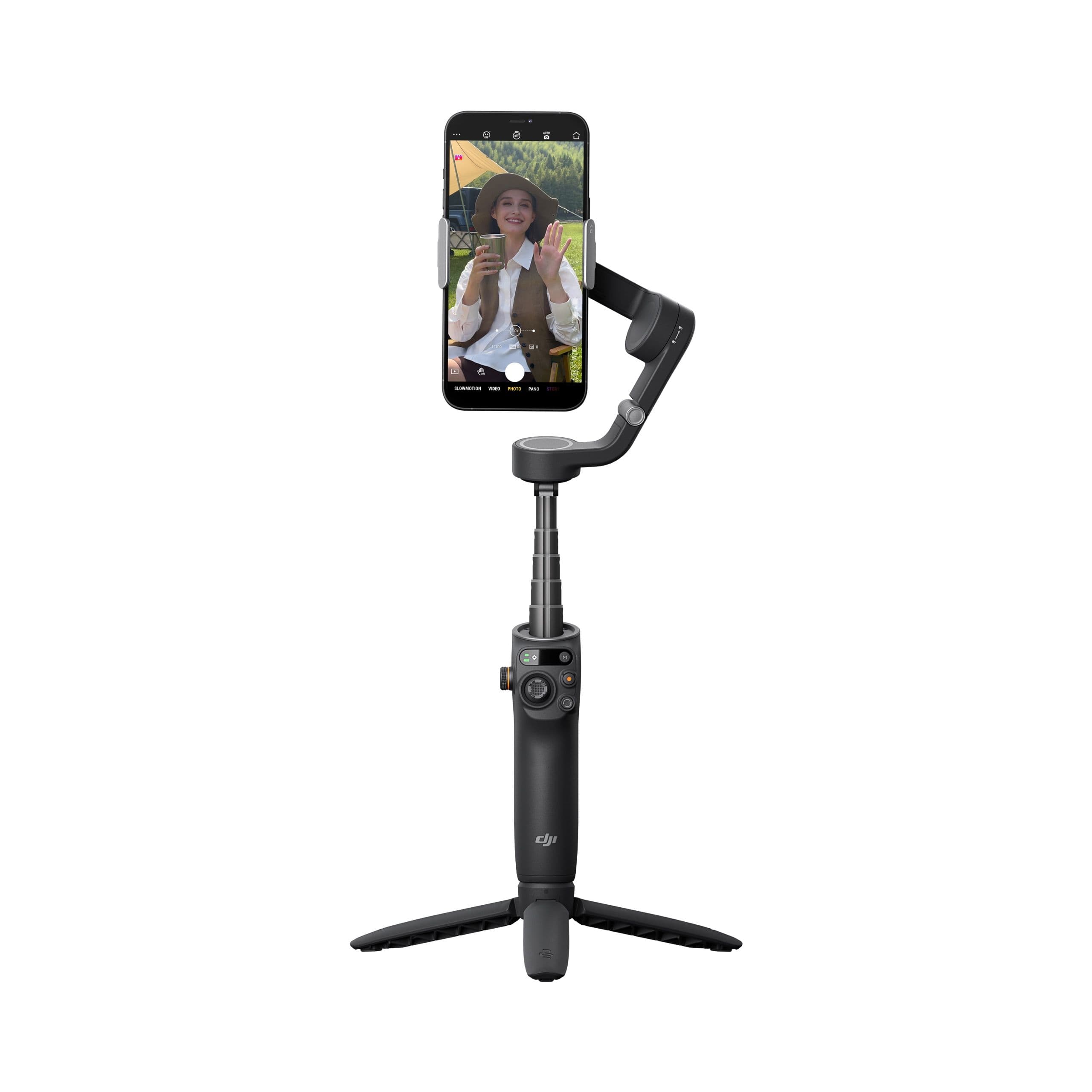
Hybrid travel vlogs usually need a third piece. Pairing an ultra-portable drone with a handheld stabilizer such as the DJI RS 4 or a compact body like the Sony ZV-E10 II gives you matched 4K from the air and from eye level, which saves a lot of grading time later.
Common mistakes
The classic error is buying resolution and ignoring the gimbal. Sensor acreage cannot rescue footage that wobbles in a crosswind, and it certainly cannot rescue a vertical clip you carved out of a horizontal frame in post. Digital cropping for social platforms throws away sharpness and pixels you paid for. A platform like the DJI Mini 5 Pro, with its 225-degree rotating gimbal, shoots vertical natively and skips the whole problem.
Second mistake: trusting advertised flight time. Those numbers describe a windless hover with nothing asked of the aircraft, and packed itineraries demand continuous cycles, so single-battery kits run dry by lunch. A Fly More style configuration fixes it. Third, ignoring weight thresholds abroad — fines and confiscated gear are real outcomes, and drones under 250 grams generally bypass strict registration requirements in many countries. Last, skimping on the controller. Phone screens dim in direct sun, drain fast, and overheat exactly when you need to nail a framing.
Buying checklist
Run these checks on the product page itself before you add anything to a cart. Every item here is something a listing will tell you outright.
1. Takeoff Weight and Regulations: Find the stated takeoff weight in the spec table. If it reads under 250 grams, international travel and registration get dramatically simpler.
2. Sensor Size and Dynamic Range: Look for the sensor dimension, not just the video resolution. A 1-inch CMOS sensor gathers considerably more light than a 1/2-inch chip, which is what cleans up high-contrast scenes and low-light frames.
3. Gimbal Rotation Range: Check the listed rotation in degrees and whether vertical shooting is described as native. If the page only mentions cropping, you are paying for a downscale.
4. Obstacle Sensing Coverage: The listing should say which directions are covered. Forward and downward only is fine for open coastline; wooded or urban flying wants omnidirectional.
5. What Is In the Box: Count the batteries and confirm whether the dedicated controller with a built-in screen is included or sold separately.
Recommended Products
One pick, chosen because it demonstrates the rules above rather than because it tops a spec sheet — sub-249g weight, a large sensor for the class, and a controller that survives daylight.
DJI Mini 5 Pro Fly More Combo with DJI RC 2
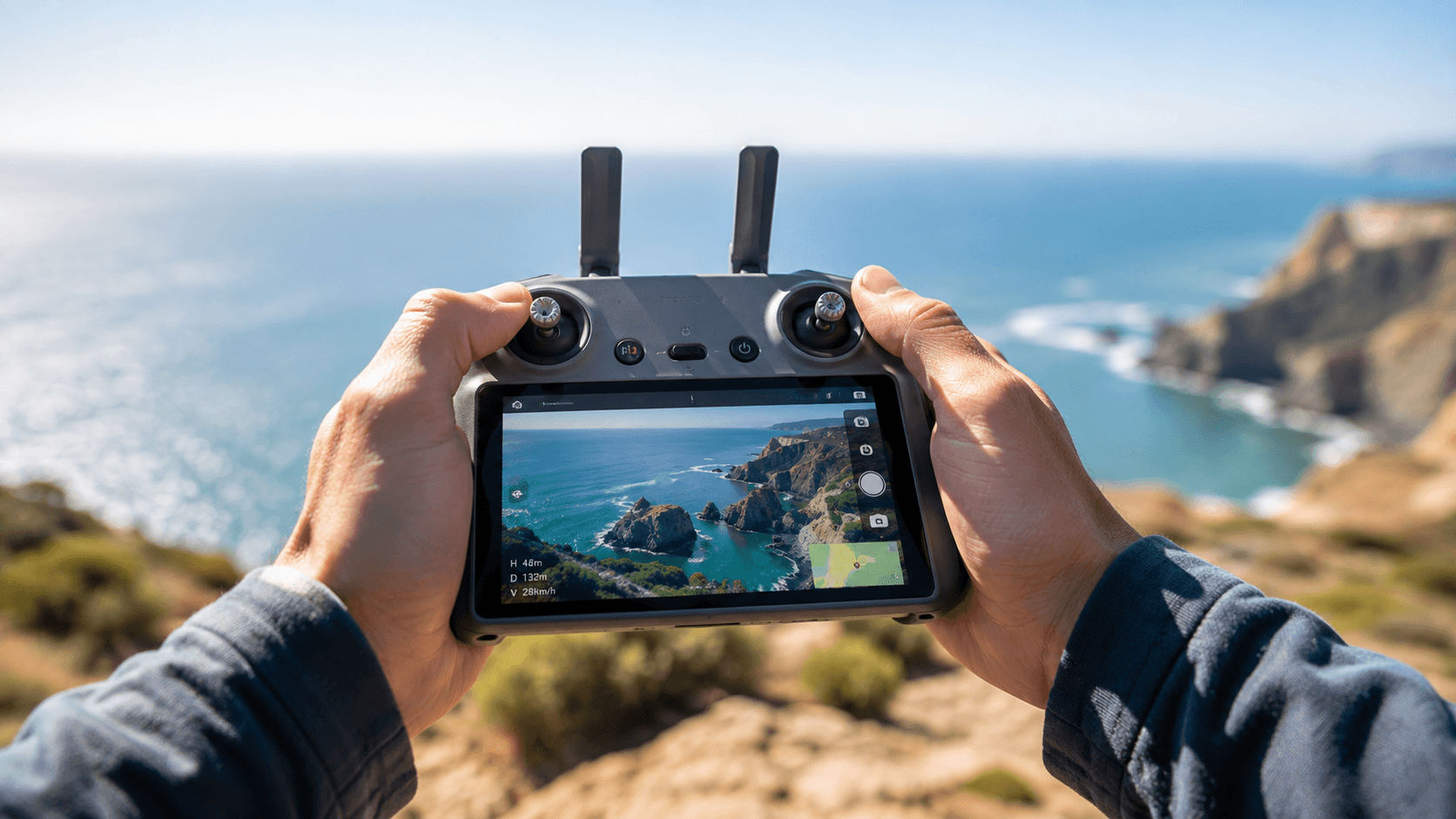
The clearest example of the sub-249g rule: travel-legal in most places, without the small-sensor compromise that class used to demand.
Pros
- 1-Inch CMOS sensor is large for an airframe in the sub-249g class
- 225-degree gimbal rotation covers native vertical without cropping resolution
- Fly More Combo bundles spare batteries and the DJI RC 2 controller screen
Cons
- Combo pricing sits above single-battery starter kits in the same weight class
- Confirm obstacle sensing coverage and wind tolerance suit your usual terrain
Travel Drone Buying Checks
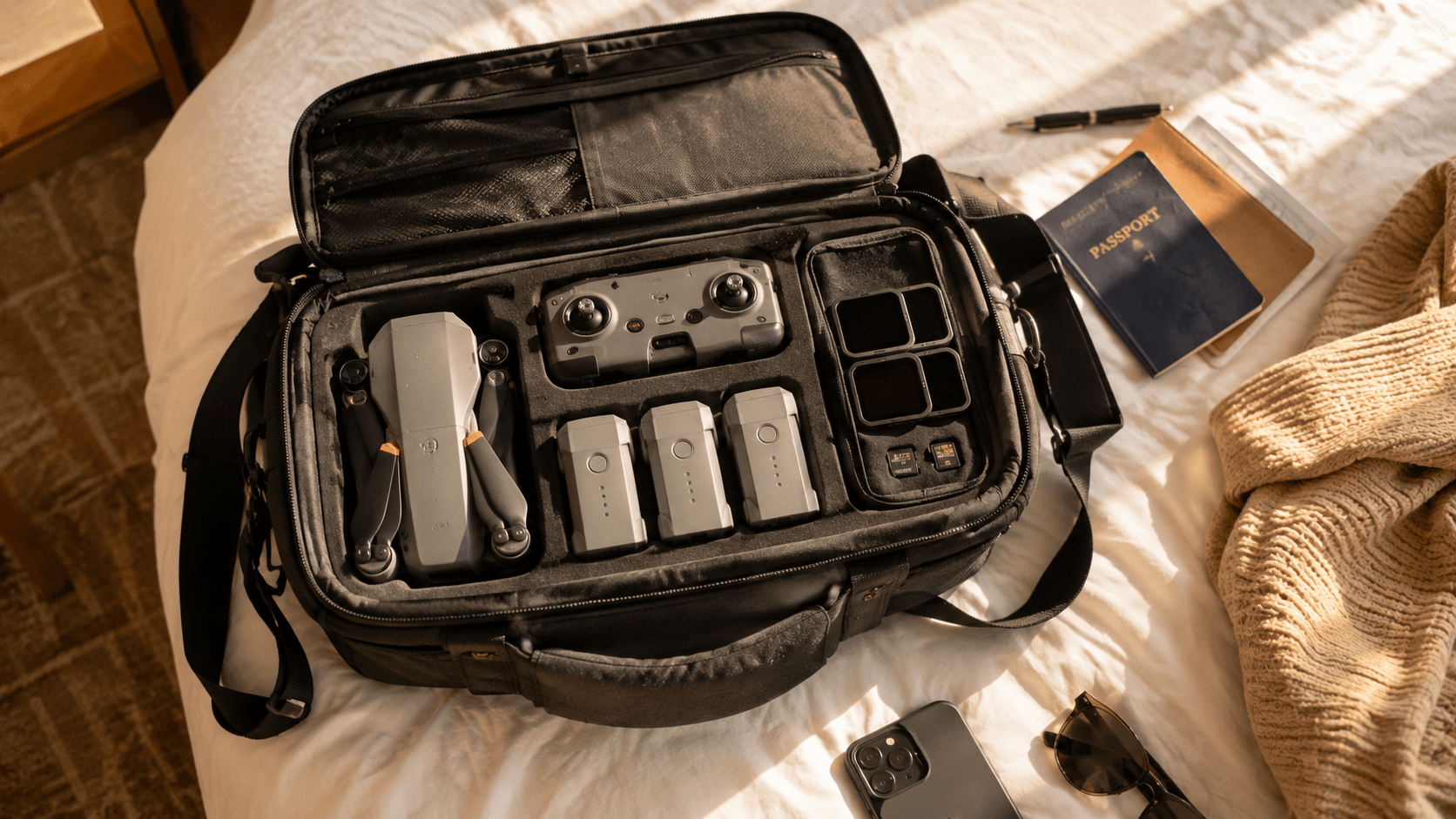
Knowing how to choose a drone for 4K video comes down to matching four numbers to your actual habits: takeoff weight against the rules where you fly, sensor size against your usual light, gimbal rotation against your delivery format, and battery count against how many locations you cover in a day. Spec sheets predict strengths reliably. What they cannot tell you is which compromise you will notice on the third morning of a trip.
Sources & References
Specifications and claims in this analysis were cross-referenced against the sources below.
- DJI Mini 5 Pro – DJI USA Online Storedjiusa.com
- DJI Mini 5 Pro review (2025): Specs, features, price & limitationstechpoint.africa
- DJI Mini 5 Pro Honest Review - 250 Grams of Drone Techpix-pro.com
- DJI Mini 5 Pro – Wikipediade.wikipedia.org
- DJI Mini 5 Pro Review: Should You Get One For Drone Photography?jvn.photo
- DJI Mini 5 Pro With a 50-Megapixel 1-Inch CMOS Sensor ...gadgets360.com
- The DJI Mini 5 Pro is the most impressive sub-250g drone I've tested – trust me, it's definitely worth upgrading fortechradar.com
- DJI Mini 5 Pro review - a huge leap forward for the mini droneamateurphotographer.com
Frequently Asked Questions
In many jurisdictions, aircraft under 249 grams sit below registration thresholds — that is the entire reason the class exists. Rules still vary by country and by whether you fly commercially, so confirm with the local authority before you travel.