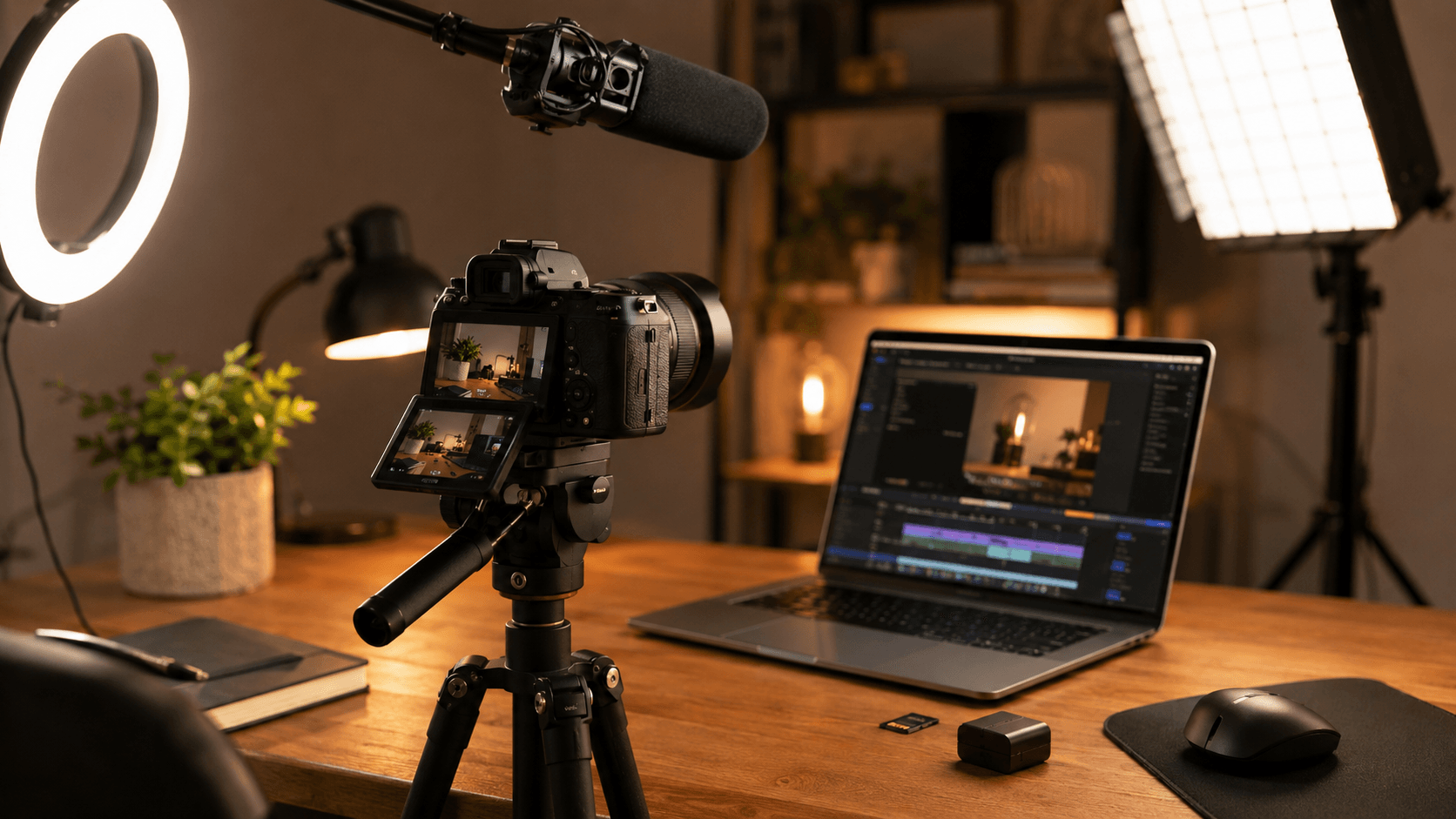
Picking one camera to shoot both your stills and your video means deciding which compromise you can live with, and knowing how to choose hybrid cameras for content creation starts right there. A body tuned for high-megapixel stills can overheat mid-4K, skip 10-bit internal color, or crop hard the moment you jump to a high frame rate. Cinema-leaning bodies swing the other way — no viewfinder, no mechanical shutter, none of the dials that make stills shooting fast.
Spec sheets have moved quickly: 6K RAW, subject-detection autofocus, vertical-video modes built into the menu system. Sorting APS-C from full-frame, reading stabilization ratings, weighing battery and thermal limits — that is where most buyers stall. Pick wrong and you pay later, in external recorders, gimbals, or a timeline that chokes on your footage. This is a spec-based analysis using published manufacturer specifications and market comparisons. No hands-on testing was conducted.
The Quick Take
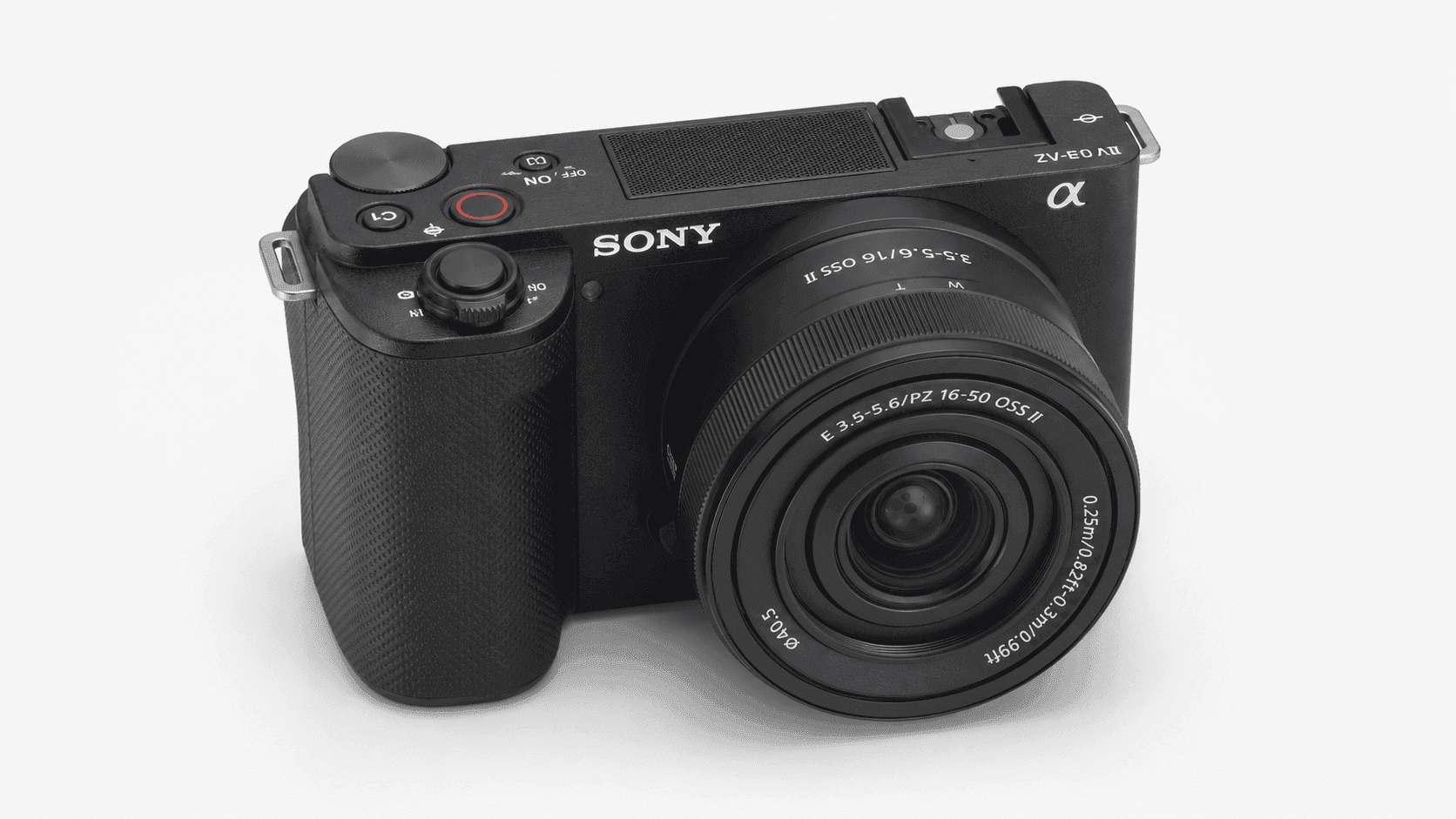
Match the sensor and the video modes to wherever your work actually gets watched. Publishing mostly vertical, shooting alone, flying with the kit? An APS-C body such as the Sony ZV-E10 II — 4K 60p capture, quick phase-detection autofocus, small lenses — covers it. Shooting in dim rooms for a living pushes you toward full-frame instead.
How to Choose Hybrid Cameras for Content Creation, Step by Step
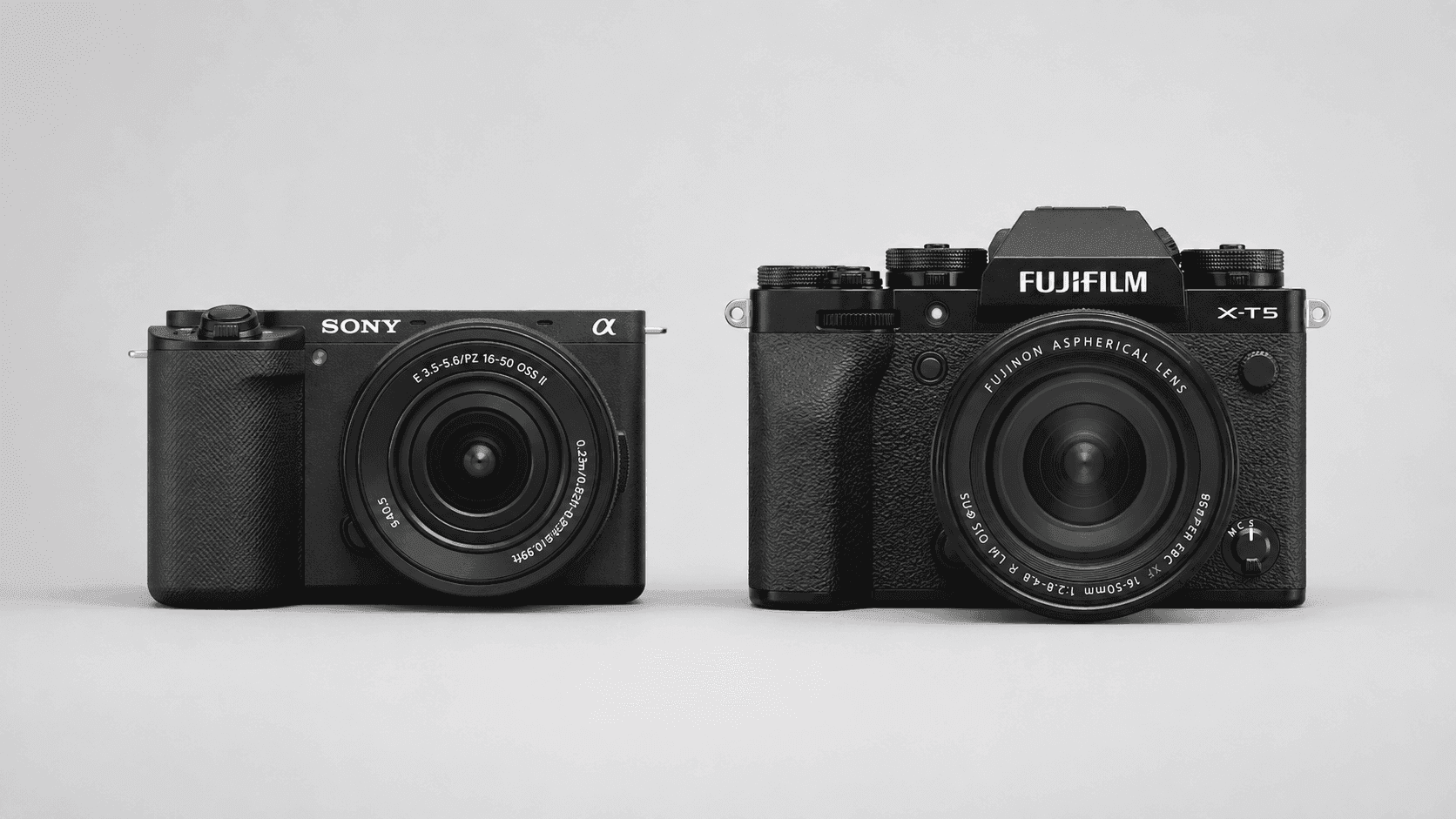
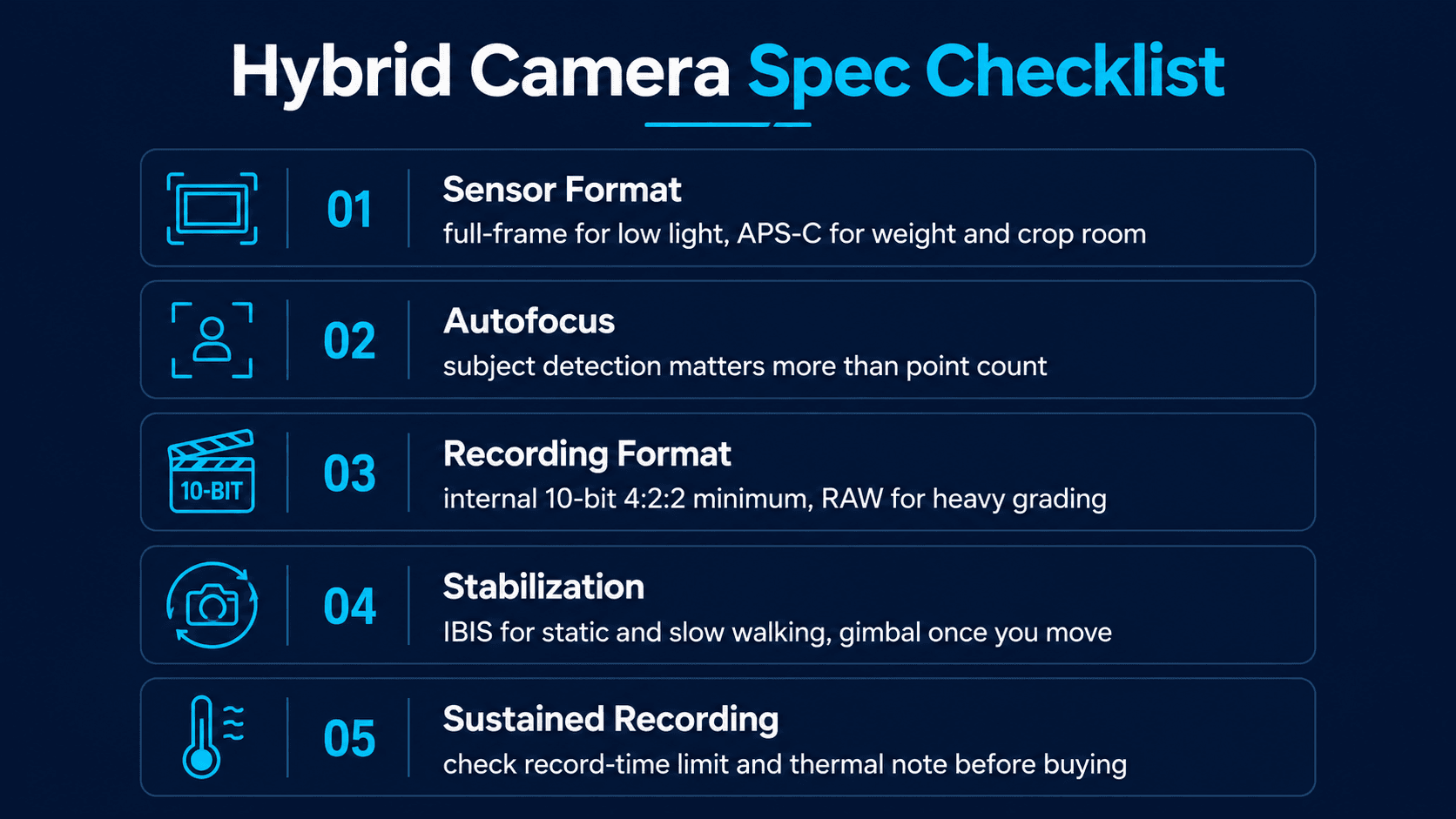
Start with the sensor, but judge it by how long it can keep running. The 24.2MP full-frame CMOS in the Canon EOS R6 Mark II buys cleaner shadows and thinner depth of field, so if you light interviews badly or want backgrounds to fall away, that is your side of the fence. Prefer a light bag and crop room? APS-C answers better: the Fujifilm X-T5 carries a 40MP sensor, the Sony ZV-E10 II carries a 26MP Exmor R CMOS sensor. Then read the record-time limit and any stated heat threshold before you fall for the rest of the spec sheet.
Autofocus next, then codecs. If you move toward and away from the lens while talking — most solo creators do — subject detection matters more than the raw point count, though Sony's 759-point phase-detection AF and Canon's eye-tracking system both hold a face that drifts off center. On the recording side, set a floor and refuse to go under it: internal 10-bit 4:2:2, or RAW if you grade hard. The Nikon Z6 III writes 6K 60p internal RAW, which means you can push color aggressively without the file falling apart.
Stabilization is where people overspend. In-body image stabilization handles the small stuff — the Fujifilm X-T5 rates its system at 7 stops — and that is enough for locked-off shots or a slow walk. Break into a jog, or shoot vertical for a phone feed, and sensor-shift runs out of travel. That is the moment a gimbal earns its space in the bag: the DJI RS 4 handles a 3kg payload and flips to native vertical shooting with its 2nd-Gen mode.
Recommended product categories
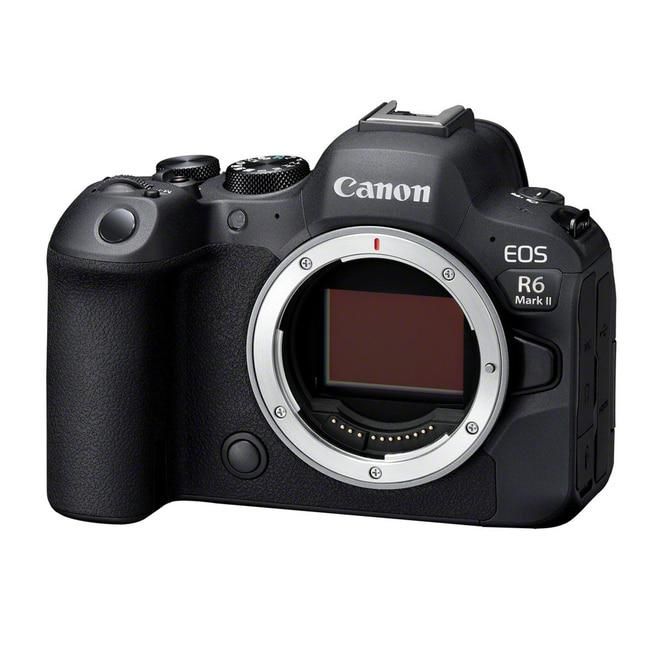
Hybrid setups split into three buckets, and your production scope decides how many you need. Mid-range mirrorless bodies sit at the center — the Fujifilm X-T5 and Canon EOS R6 Mark II both give you deep color control, reliable tracking, and a lens mount worth committing to. If you shoot from a tripod or handheld and edit later, one of these plus two lenses is the whole kit.
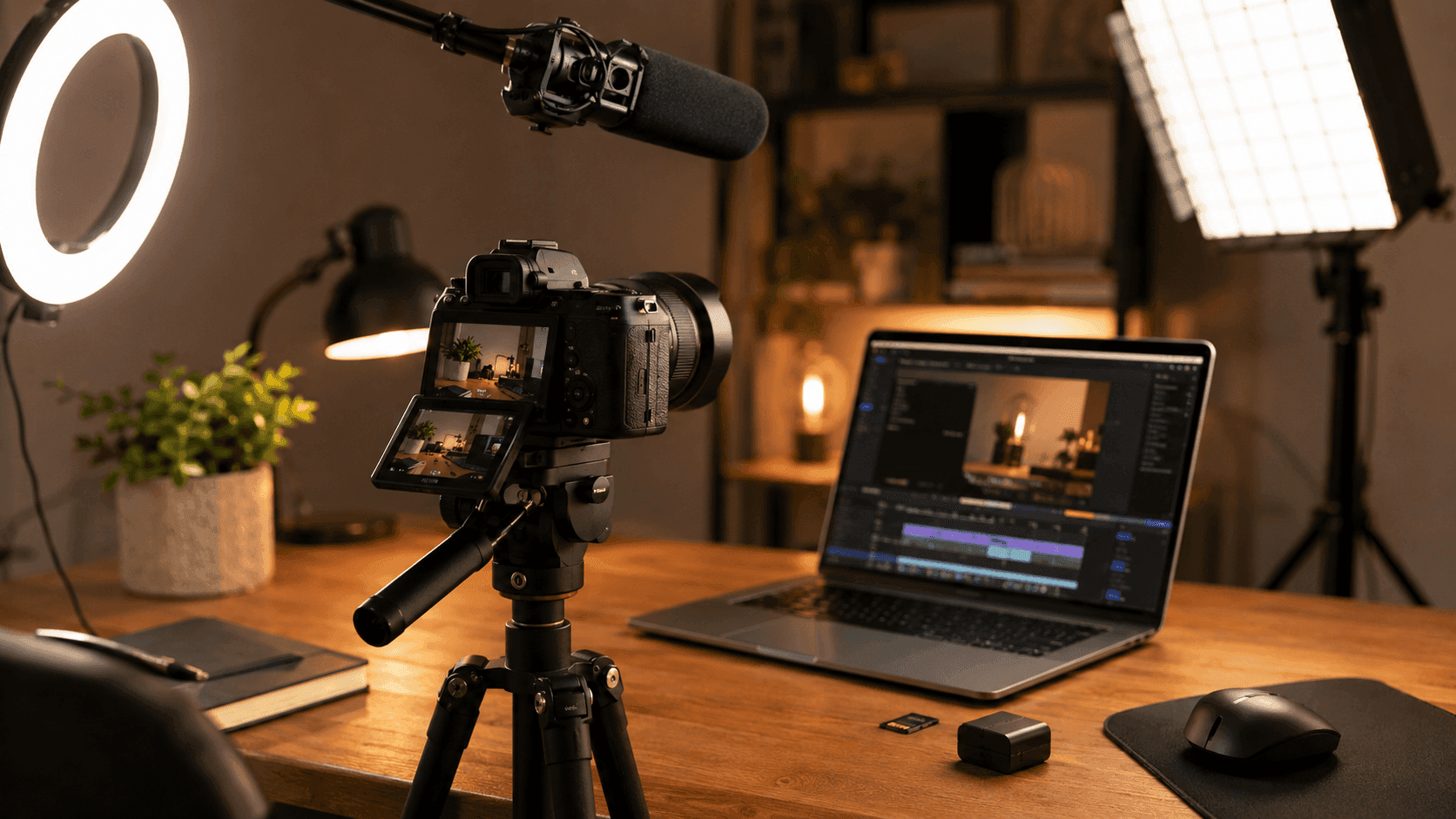
Bundle kits are the shortcut for anyone starting from a phone. Packages built around the Sony ZV-E10 II pair the body with a directional mic, a tripod, and a continuous light, which solves audio and exposure on day one rather than after three separate orders. Buy this way if you have never owned a hobbyist camera and don't yet know which accessory you'd miss.
Support gear is the third bucket, and it only matters if you move. Stabilization inside the body smooths hand jitter; a gimbal like the DJI RS 4 handles tracking shots and quick flips to portrait for mobile-first platforms. Shoot seated, skip it.
Common mistakes
The most expensive mistake is buying for the megapixel number on the box. A dense APS-C chip like the 40MP sensor in the Fujifilm X-T5 delivers detail that holds up cropped and printed, then asks the processor to work harder through a long 4K take. Creators who optimize for stills resolution run into recording limits during hour-long studio sessions and live streams. If your longest take is a 40-minute talking head, weight sustained recording over resolution — the Sony ZV-E10 II trades some stills detail for higher video frame rates and steadier power draw.
Skipping audio is the other one, and viewers notice it faster than they notice a soft image. Built-in mics are fine for scratch tracks and nothing else, so budget for a shotgun or lav before you budget for a second lens; bundles that ship with a mic and a light get you there without a second purchase. Stabilization gets misjudged the same way — in-body image stabilization alone will not save a running shot, and pairing the body with a gimbal beats software stabilization, which crops your frame to fake what the hardware should have done. Last, check codec bitrates against your card speed and drive space, or you will discover the bottleneck the night before a deadline.
Buying checklist
Run these checks on the product page itself, before the cart. Every line below is something a manufacturer publishes.
1. Primary Content Format: Decide whether your output is mostly landscape long-form or vertical clips, then look for a vertical or portrait recording mode in the video spec list. No such mode? Budget for a gimbal with native vertical shooting, such as the DJI RS 4, and treat that cost as part of the body price.
2. Sensor Size and Video Bitrates: Find the bitrate table and the words "10-bit 4:2:2 internal" — if either is missing, the camera is not a grading tool. Full-frame options like the Canon EOS R6 Mark II or Nikon Z6 III give you dynamic range in trade for weight; the APS-C Sony ZV-E10 II keeps the whole rig light enough to carry all day.
Recommended Products
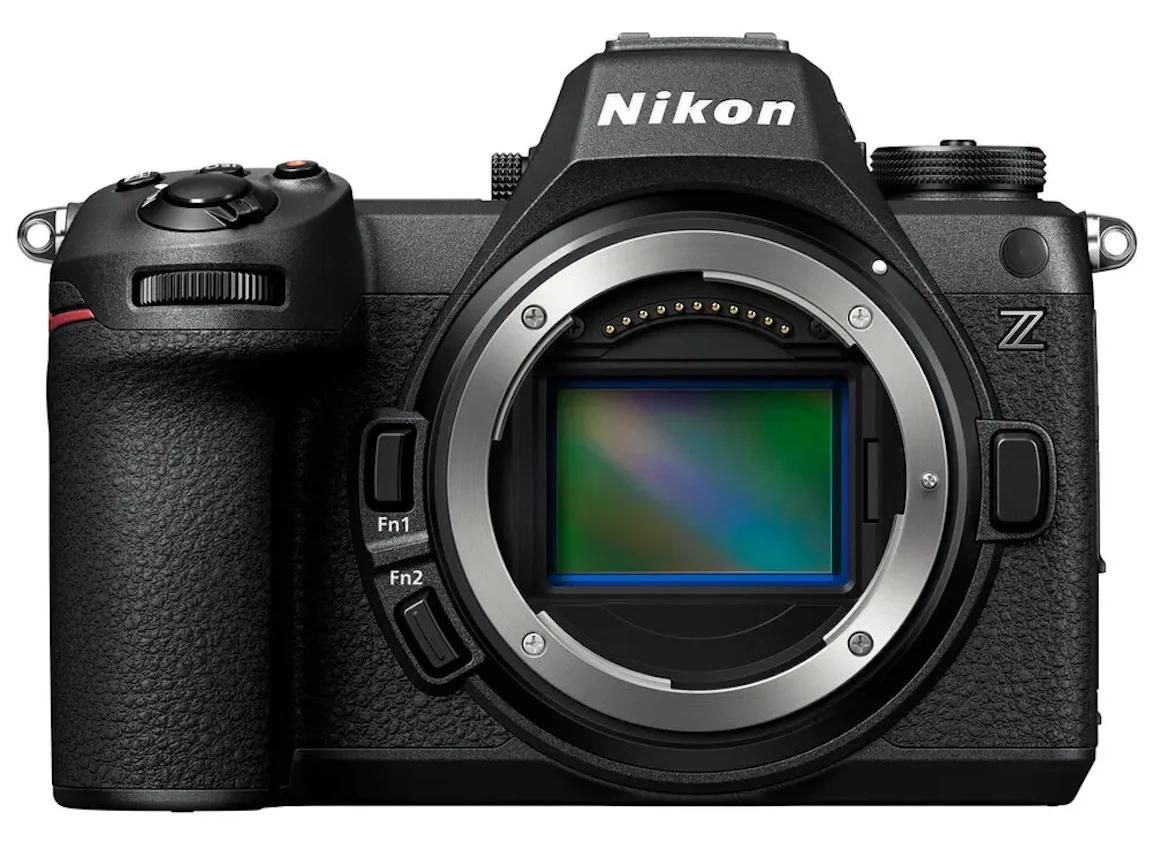
Two bodies cover the opposite ends of the rules above: one for people whose footage lives in imperfect light, one for people who grade every clip they publish.
Canon EOS R6 Mark II
Buy this one if your video happens indoors or after sunset. Its 24.2MP full-frame sensor is the low-light half of the sensor rule, and the body stays a capable stills camera once the shoot wraps.
Pros
- 24.2MP full-frame sensor holds up as the light drops
- Interchangeable lenses cover interviews, b-roll, and stills from one body
- Mounts for mic, light, and gimbal keep the rig expandable
Cons
- Lenses and spare batteries push real system cost past the body price
- Check the recording-time and heat limits against your longest take
Nikon Z6 III
Choose this if grading is a real step in your edit rather than an afterthought. Internal RAW means you can push color hard, assuming your cards and drives can keep pace with the files.
Pros
- 6K 60p internal RAW recording for aggressive color work
- Full-frame sensor keeps noise down in dim rooms
- Recording internally means one less box on the rig
Cons
- RAW files eat fast cards and drive space in a hurry
- Lens and accessory spend still stacks on top of the body
Camera Buying Checks
Boiled down, how to choose hybrid cameras for content creation comes to seven lines on a spec sheet: lens mount and the glass available for it, autofocus behavior, video recording limits, stabilization, battery life, card format, and how the grip sits in your hand. Specs point at likely strengths. The lenses you already own, or plan to buy, usually decide the winner.
Sources & References
Specifications and claims in this analysis were cross-referenced against the sources below.
- Canon EOS R6 Mark II in-depth review - DPReviewdpreview.com
- Canon EOS R6 Mark II review - a powerful Canonamateurphotographer.com
- Canon EOS R6 Mark II review - Tom's Guidetomsguide.com
- Canon EOS R6 Mark II Reviewpcmag.com
- Sony ZV-E10 II review: Sony perfects its vlogging formuladigitalcameraworld.com
- Canon R6 Mark II Review: 2-Year Long-Term Test - Photography Talkphotographytalk.com
- Fujifilm X-T5 Review | 5050 Travelog5050travelog.com
- Sony ZV-E10 II Reviewpcmag.com
Frequently Asked Questions
Shoot in dim rooms or want shallow depth of field, go full-frame like the Canon EOS R6 Mark II. Travel light, publish vertical, or want extra crop room, and APS-C does the job for less weight.