Apple Watch Series 10: Bigger Screen, Same Daily Charge
A look at the 46mm GPS Apple Watch Series 10: the slimmer aluminum case, expanded wide-angle Always-On display, ECG and sleep apnea notifications, and the one-day battery reality that decides who should buy it.
Smartwatch decisions usually come down to three things: how much screen you get, which sensors are actually inside the case, and whether the battery survives your day. Series 10 pushes hard on the first two. Apple stretched the display area and thinned the chassis, then packed the usual dense health sensor stack into a 46mm aluminum shell that is slimmer and lighter than the generation before it. This Apple Watch Series 10 review covers the GPS 46mm model in Jet Black aluminum with the Black Sport Band. What follows is the hardware breakdown, the health feature set, the trade-offs Apple accepted to get the case this thin, and — the part that actually decides your purchase — whether any of it changes how you'd use a watch day to day. For a specific group of buyers, it doesn't.
Some links in this article are affiliate links, which helps support GadgetPickr at no extra cost to you.
The Quick Take
A bigger, wide-angle Always-On display in a thinner case, wrapped around the same health sensor set Apple has spent years building out. Sleep apnea notifications and faster charging are the two additions that change a daily routine. Battery still means a charge every day.
Verdict
Buy it if you own an iPhone and want the broadest wrist-based health monitoring available in a case thin enough to wear to bed — the combination of ECG, sleep apnea notifications and the larger wide-angle display is the single strongest reason, and nothing else in Apple's lineup matches it at this size and weight.
Skip it if you can't charge every day. That's the one reason, and it's decisive: no amount of fast charging turns a one-day watch into a multi-day one, and endurance athletes, Android owners and anyone who resents another nightly cable should look at Garmin or the Ultra instead.
Coming from a Series 8 or older, this Apple Watch Series 10 review lands on yes — the brighter wide-angle panel, quicker charging and lighter chassis add up. Series 9 owners should sit this one out unless the bigger screen and slimmer profile are the specific things bothering them. Ultra territory only makes sense if outdoor battery headroom or dive features are non-negotiable.
Apple Watch Series 10
Best for iPhone owners who want full health tracking and a large, always-readable screen without the bulk of a rugged sports watch.
Positioned above the Apple Watch SE and well below the Ultra line.
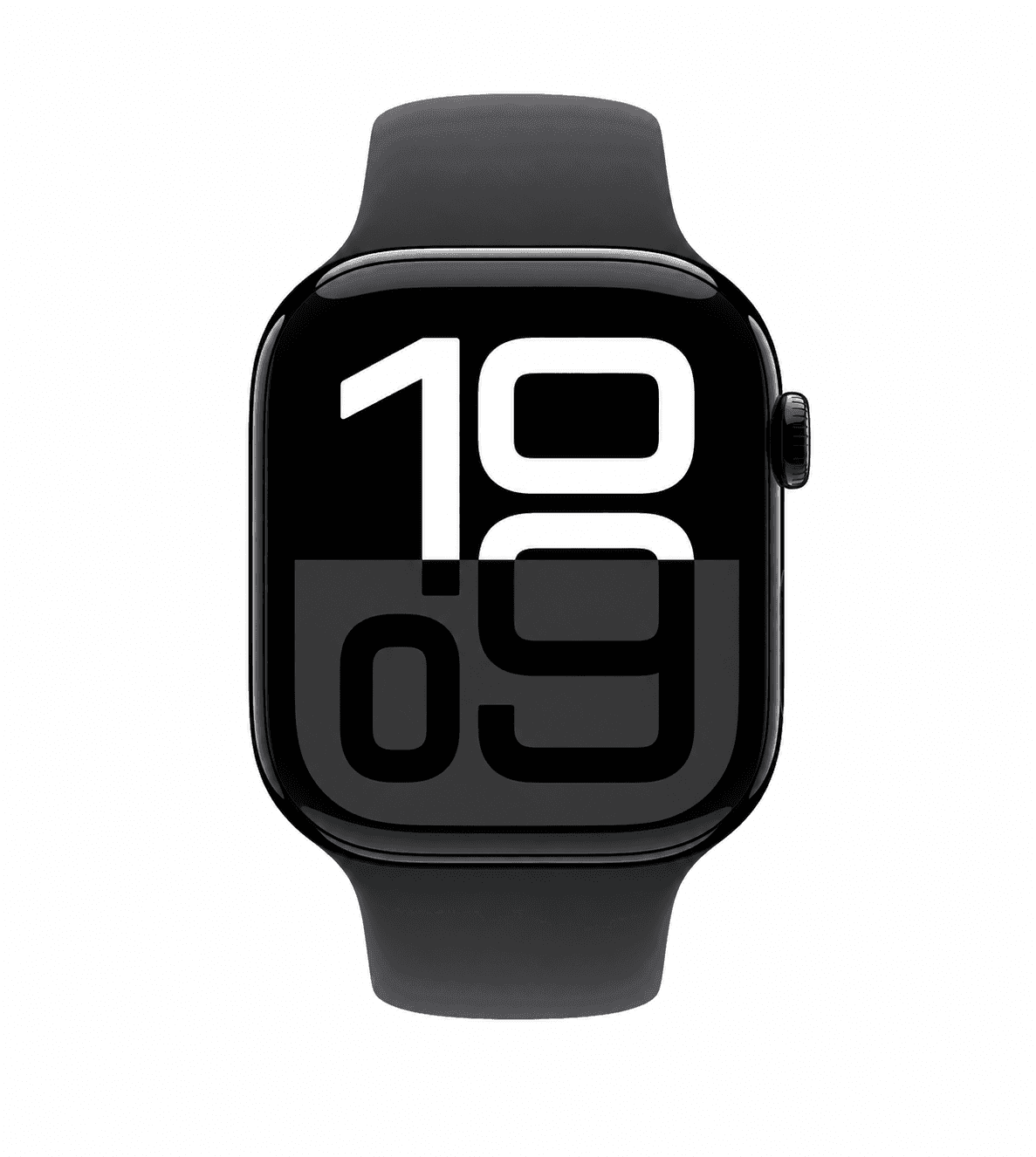
Start with the shell. Jet Black anodized aluminum, 46mm across, thinner and lighter than the model it replaces. Case thickness is the spec that decides whether you'll actually keep a watch on overnight, so shaving it down does more real work than another chip revision would.
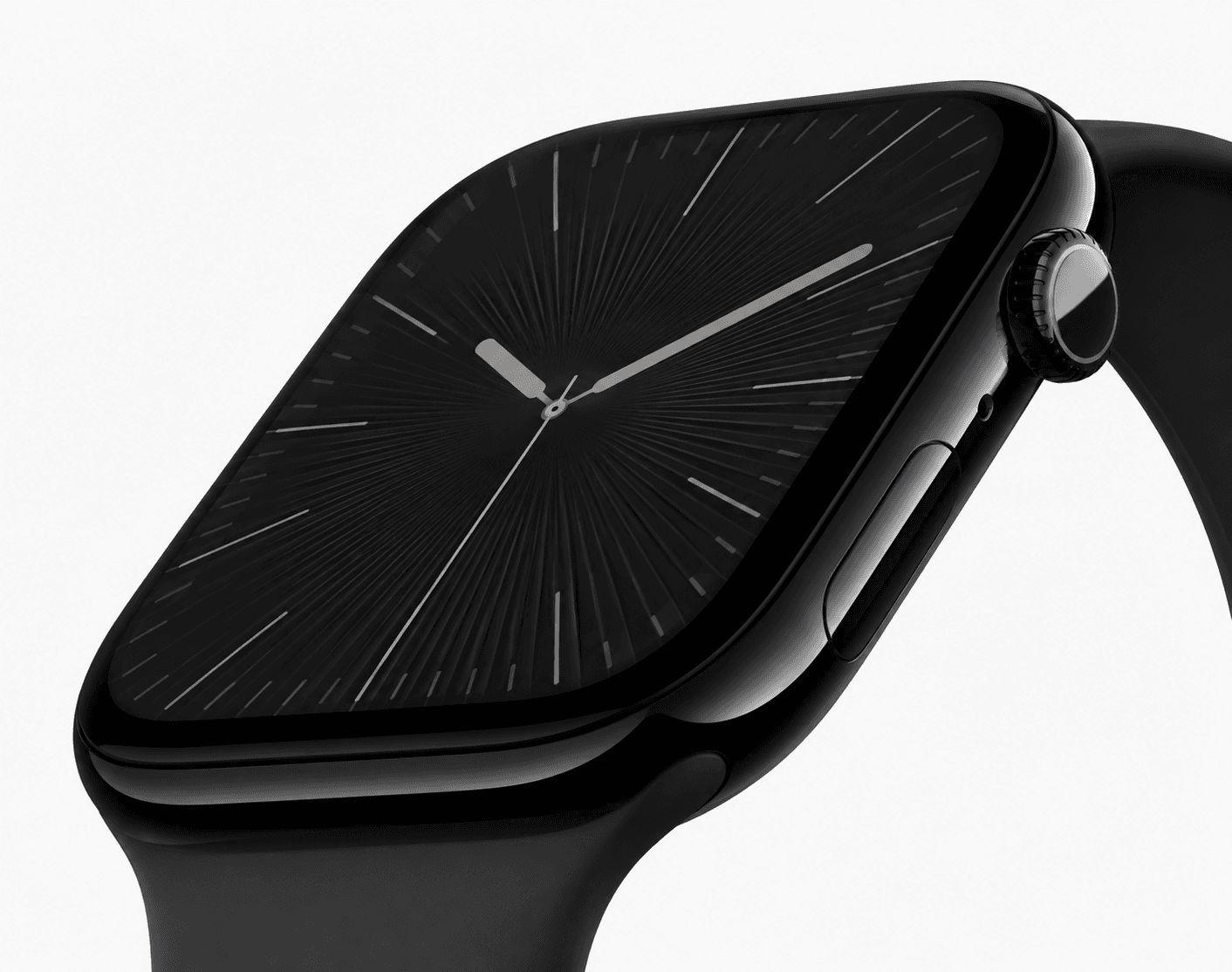
Look at the panel next. It's an Always-On Retina OLED with a wide-angle structure, which means the screen keeps showing time, workout metrics and notifications without the wrist-flick, and stays legible when you're viewing it off-axis — arm flat on a desk, hands on a steering wheel, mid-stride on a run.
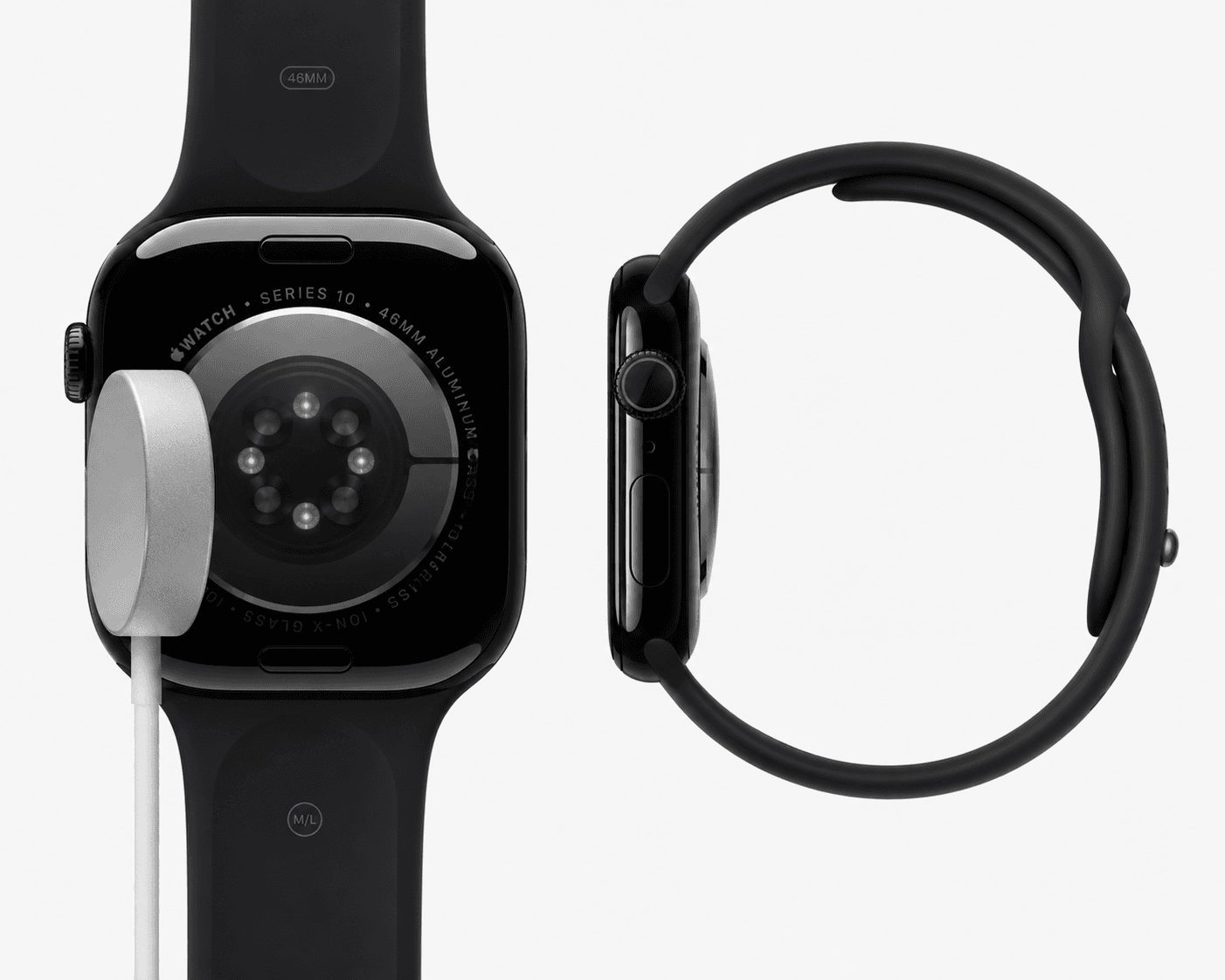
Sensors are where the case earns its keep. An electrical heart sensor drives the built-in ECG app, letting you record an electrocardiogram from the wrist to catch rhythm irregularities such as atrial fibrillation. Optical heart sensors handle the rest: background resting rate, and cardiovascular output while you train.
The hardware also carries a water resistance rating built for swimming and shallow-water activity, supported by depth and water temperature sensors for outdoor aquatic tracking. Sleep apnea notifications sit alongside the cardiac features, which is the sort of addition you never think about until it flags something.
A larger panel isn't just cosmetic, either. More active area lets watchOS stack denser workout screens — heart rate zone, active calories, pace and splits visible at once, instead of swiping mid-run. The included Black Sport Band uses fluoroelastomer with a pin-and-tuck closure, which keeps the sensor array pressed flat against skin where it needs to be for clean readings.
Connectivity is the compromise here. This is the GPS model, so it leans on a paired iPhone for notifications, calendar and health sync through Apple Health. No independent cellular radio. On-device storage still covers offline media playback and holds health telemetry until it syncs.
Key Specs and Compatibility
Here's the configuration under review — the 46mm GPS variant in Jet Black aluminum with the M/L Black Sport Band.
Specification
Value
Case Size
46mm
Case Material
Jet Black Aluminum
Band Type
Black Sport Band (M/L)
Display Tech
Always-On Retina OLED
Biosensors
ECG App & Electrical Heart Sensor
Activity Tracking
Multi-Sport Fitness & Heart Rate
Location Tracking
GPS Enabled
Water Protection
Water Resistant to 50 Meters
Platform
watchOS
Phone Requirement
iPhone with iOS
Setup, background health sync with Apple Health, and the watchOS app ecosystem all require an iPhone running a current version of iOS. There is no partial-functionality mode for other platforms.
Apple Watch Series 10 Review: What Stands Out
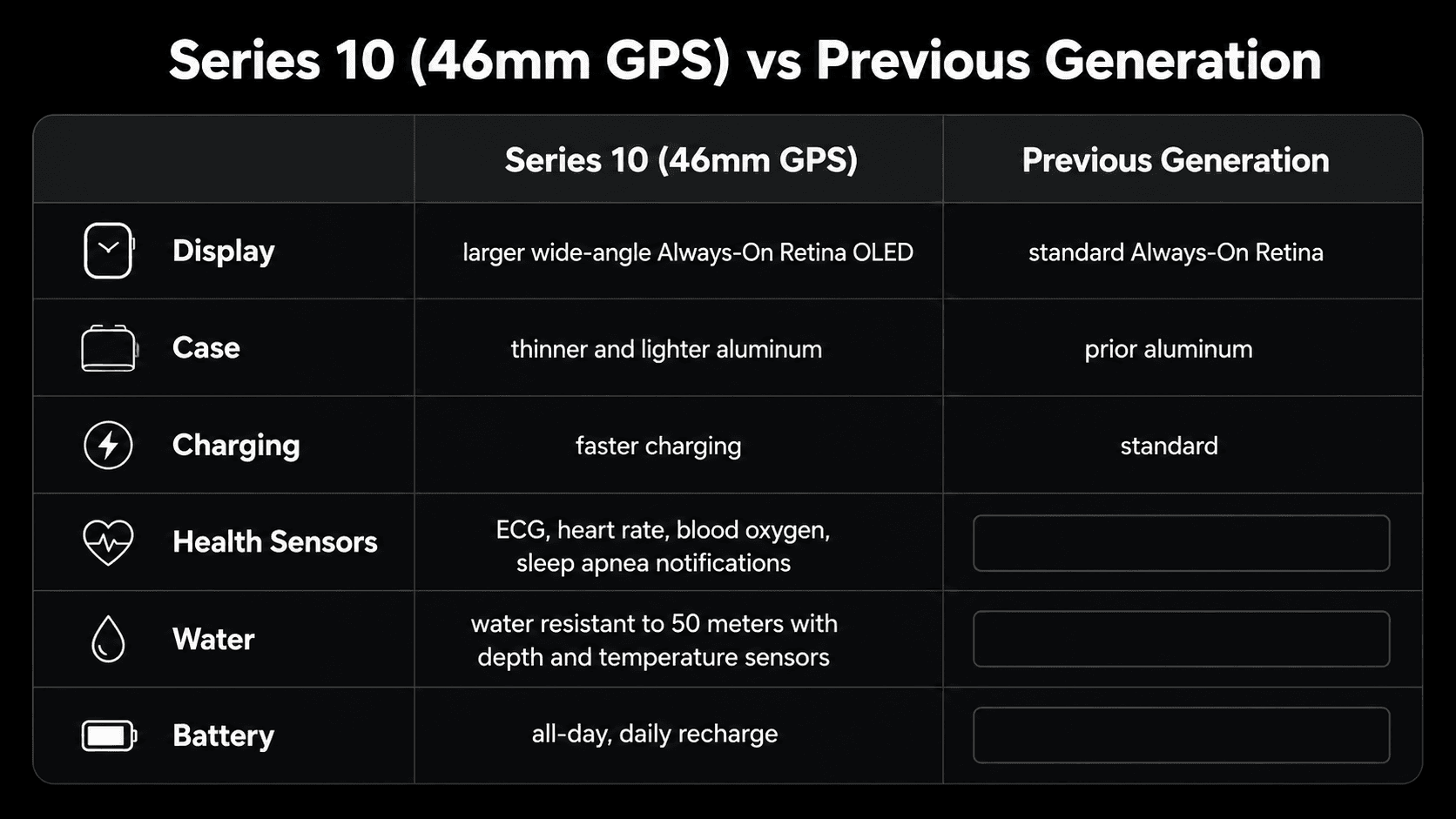
Two changes carry this generation, and they're physically linked: a slimmer chassis and a bigger screen. Getting both at once is the interesting part, since thinner cases normally cost you panel area.
More active display area means text, health metrics and interface elements are readable at a glance rather than a stare. That shortens how long your arm stays up, which sounds trivial until you count how many times a day you check a watch.
Wide-angle Always-On is the other half. Complications and time stay visible at viewing angles where older panels dimmed out, so the watch functions as a desk clock rather than a black rectangle waiting for a wrist raise.
Speaker output was updated too, so podcasts and music can play straight from the watch with no Bluetooth headphones in the loop. Handy for a quick kitchen workout or a walk where you left the earbuds charging.
Then there's the water hardware. Built-in water resistance plus depth and water temperature sensors puts this between casual fitness tracking and dedicated aquatic logging — enough for lap swimmers and recreational water use, without a rugged dive-watch chassis strapped to your arm.
Strengths
Health coverage is the strongest argument for this watch. An advanced sensor suite capable of taking on-demand Electrocardiograms (ECG), monitoring continuous heart rate trends, and tracking blood oxygen levels alongside baseline sleep metrics — plus sleep apnea notifications — gives you a genuinely broad picture of resting and recovery patterns over weeks, not just single readings.
Ecosystem behavior is the second. Notifications, navigation prompts and hands-free calls land on your wrist without setup friction, because watchOS and iOS were built against each other.
Faster charging addresses the oldest complaint about this product line. A short top-up while you shower and get dressed puts back enough power to cover a full day plus overnight sleep tracking — which is what makes sleep features usable at all.
Workout tracking rounds it out. Movement detection kicks in automatically and logs running, cycling, swimming and strength sessions with per-metric detail, and the aluminum build keeps mass low enough that the watch isn't a factor during long sessions or overnight wear.
Weaknesses
One charge, one day. That's the ceiling. Fast charging softens the blow, but if you run standalone GPS workouts, keep the always-on display lit and log health data around the clock, you're plugging in daily — no way around it.
Compare that to endurance watches that run for a week or more and the gap is structural, not incremental. This watch demands a charging habit.
Platform lock is the next limit: no iPhone, no watch. Not reduced functionality — no activation at all, which rules out every Android household.
Materials involve a trade too. The aluminum case is the light option, but it relies on Ion-X glass, which picks up micro-scratches more readily over time than sapphire crystal on higher-end models. And if you want deep dive ratings or dedicated physical buttons you can operate through winter gloves, a touch-first interface will frustrate you.
Best Alternatives
Within Apple's own range, the Apple Watch SE is the value play: it drops ECG, blood oxygen estimation and the always-on display in exchange for a notably lower price, so it suits buyers who only want step counts, workout logging and notification mirroring.
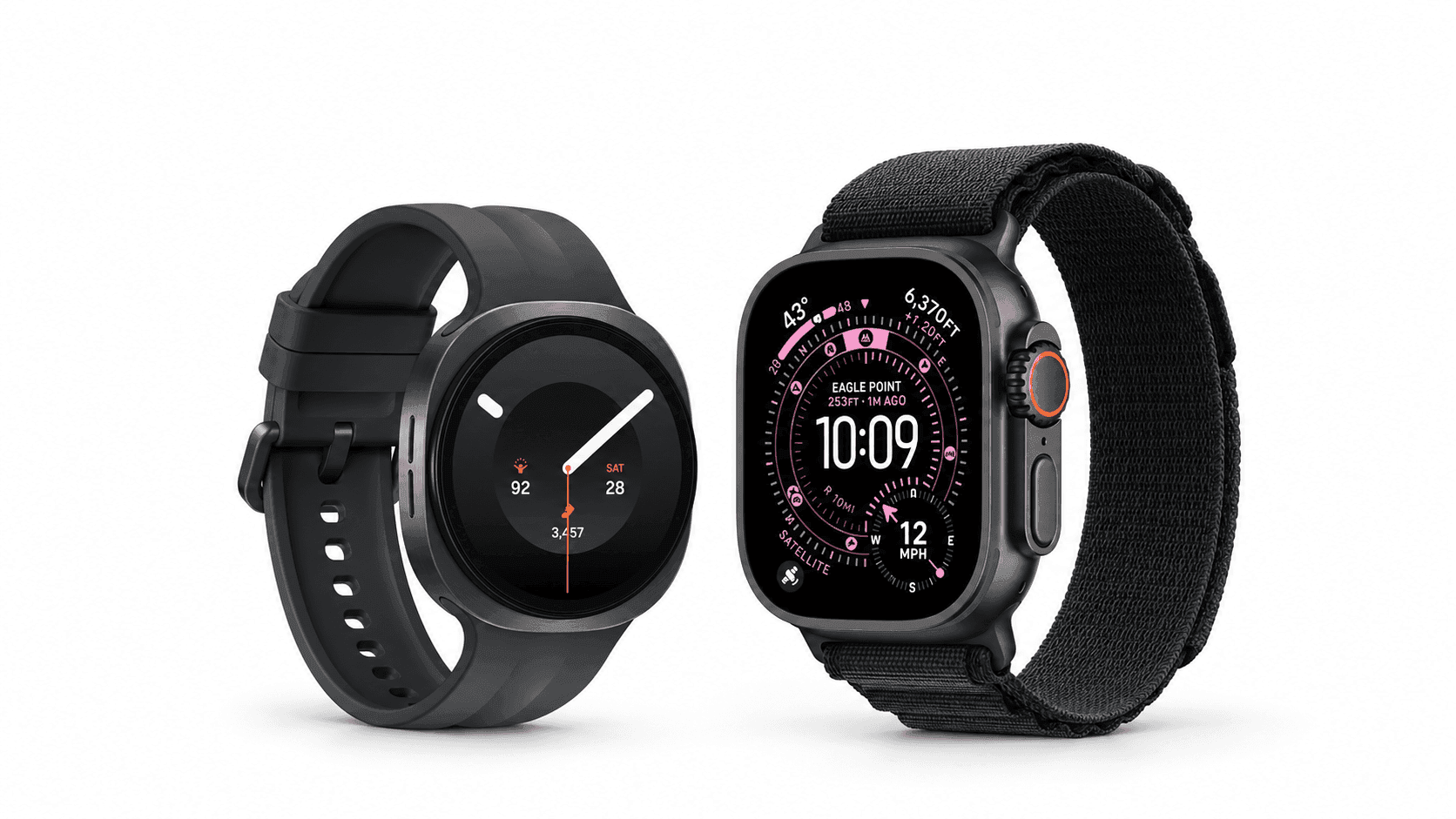
At the other extreme, the Apple Watch Ultra series swaps comfort for endurance — a titanium chassis, higher water resistance, a customizable action button and roughly twice the battery runtime of standard Apple Watch models, all in a heavier, thicker and far more expensive package that most people won't want to sleep in.
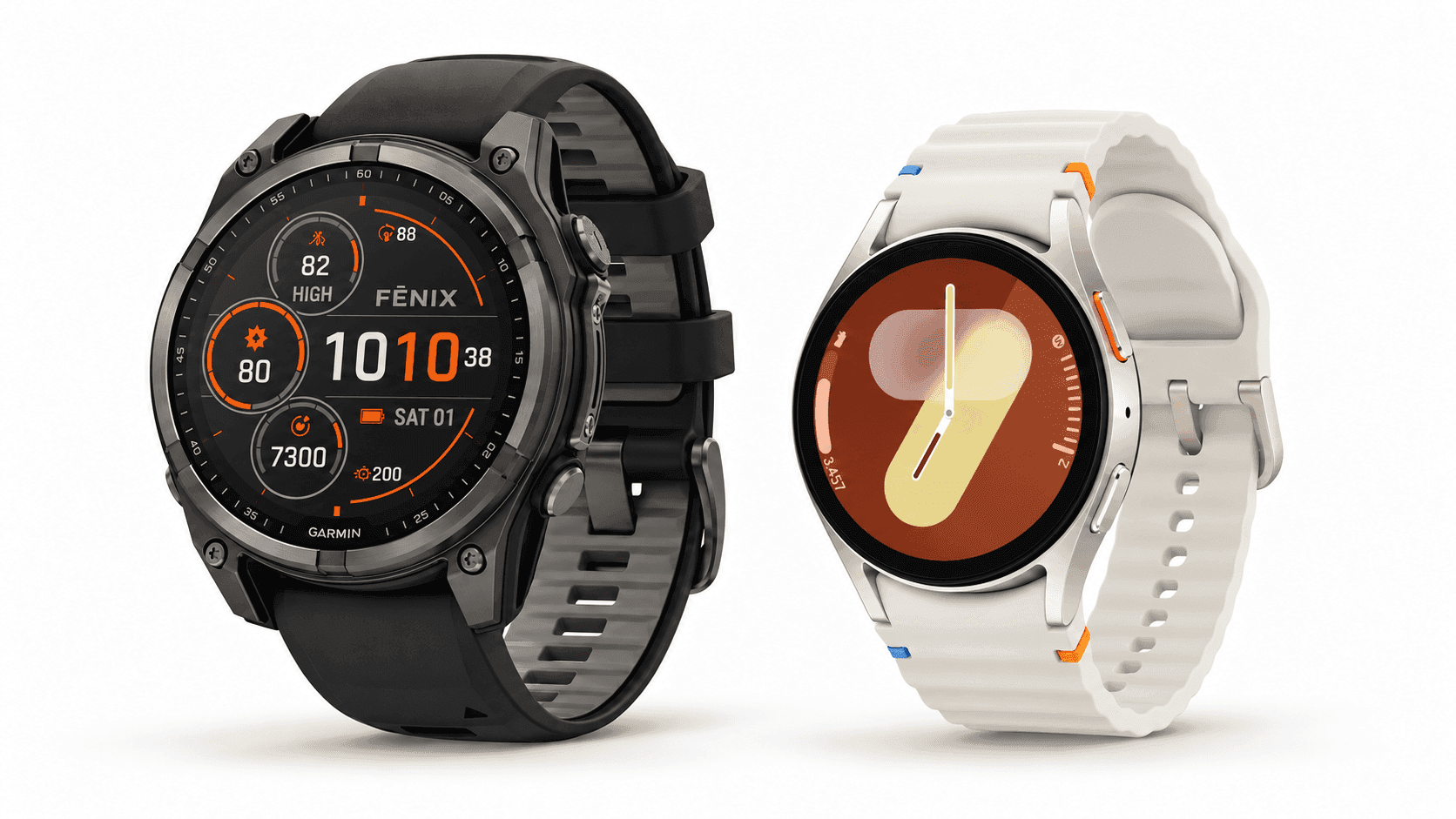
Outside Apple entirely, the Garmin Venu 3 trades deep iOS integration and the watchOS app library for training-focused metrics, recovery scoring and up to 14 days of battery life — the right call only if charging frequency is your dealbreaker.
Who Should Buy It
Upgrading from a Series 6, Series 7 or a first-generation SE? This is where the changes stack up into something you'll feel immediately: much more screen area, faster charging, and the current watchOS health feature set instead of a subset of it.
It also suits people whose priority is wellness and daily convenience rather than competitive athletics. If continuous heart rate, sleep insight, ECG readings and tight notification, calendar and media control matter more to you than a 40-hour ultramarathon battery, this is the balanced pick.
Commission may be earned from this link, at no extra cost to you.
Who Should Skip It
Android owners: skip it outright. An iPhone is required for setup, syncing and ongoing operation, and there's no workaround worth your time.
Multi-day athletes and backcountry travelers should also pass. Ultramarathons, thru-hikes and any trip where wall power isn't part of the plan will run headfirst into the single-day battery profile. A Garmin or the Ultra line exists precisely for that use case.
Sources & References
Specifications and claims in this analysis were cross-referenced against the sources below.
No. Setup, syncing and daily operation all require an iPhone running iOS. There is no reduced-functionality Android mode, so Android owners should choose a Garmin, Samsung or other platform-agnostic wearable instead.