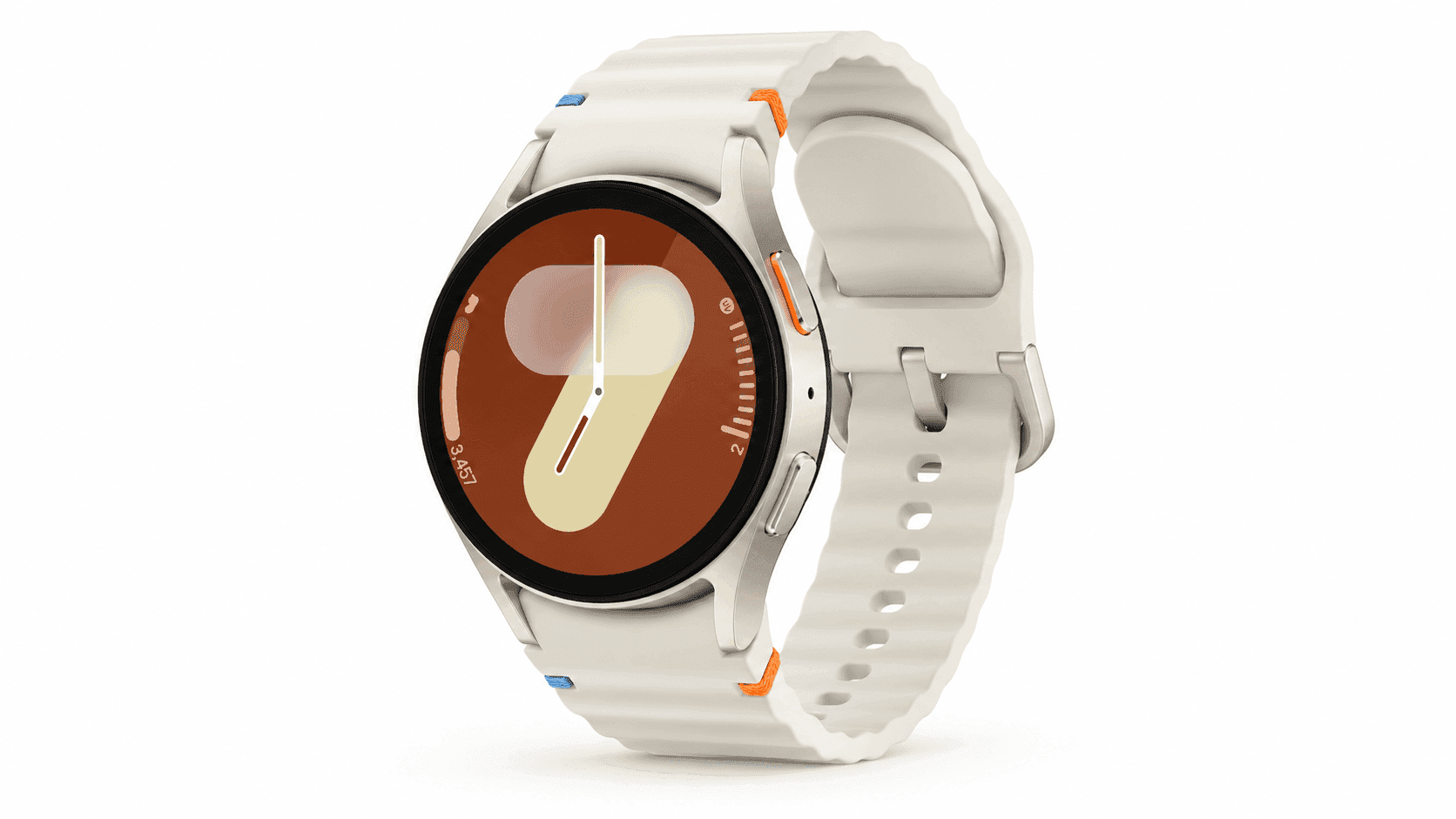
Having small wrists shouldn't mean settling for a fitness band with a clock on it. This Galaxy Watch 7 40mm review looks at a watch that fits Google Play apps, dual-frequency GPS, and Samsung's BioActive sensors into a 28.8-gram case. It makes the most sense if you own a Galaxy phone and want messages, payments, workouts, and sleep tracking on one small device. The catch is battery life.
Get the Bluetooth version if your phone is usually with you and you want a smaller watch for everyday wear. Skip it if you use an iPhone, need to take calls without your phone, or want several days between charges. Other Android phones can use the core tracking and Energy Score, but ECG and sleep-apnea detection still need a compatible Samsung phone. That matters more than anything printed on the box.
Some links in this article are affiliate links, which helps support GadgetPickr at no extra cost to you.
The Quick Take
Pick the Watch7 40mm if you want a small case with the full Wear OS app store, especially with a Galaxy phone. Look elsewhere if battery life comes first. Samsung rates this model for up to 40 hours with the always-on display off, so you won't get a week out of it.
Buy the Watch7 40mm if you want a small companion for your Galaxy phone. Its biggest selling point is a full app platform and access to Samsung's features in a small case. Google Play, dual-frequency GPS, offline music, and BioActive sensing let it do much more than a basic fitness band. Just build regular charging into your routine and check which health features your region supports before you order. For that buyer, the Bluetooth version makes sense if your phone is usually nearby.
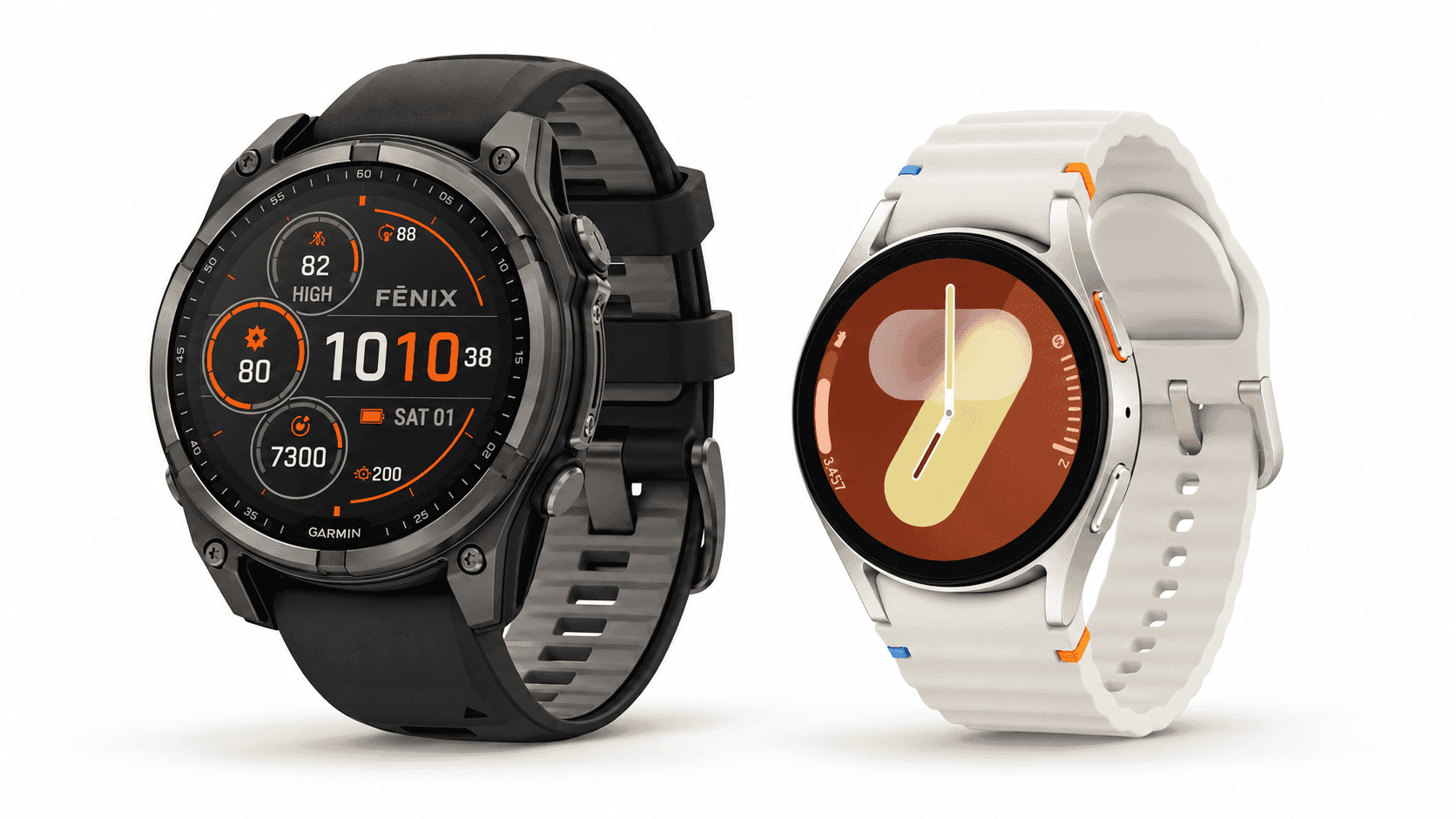
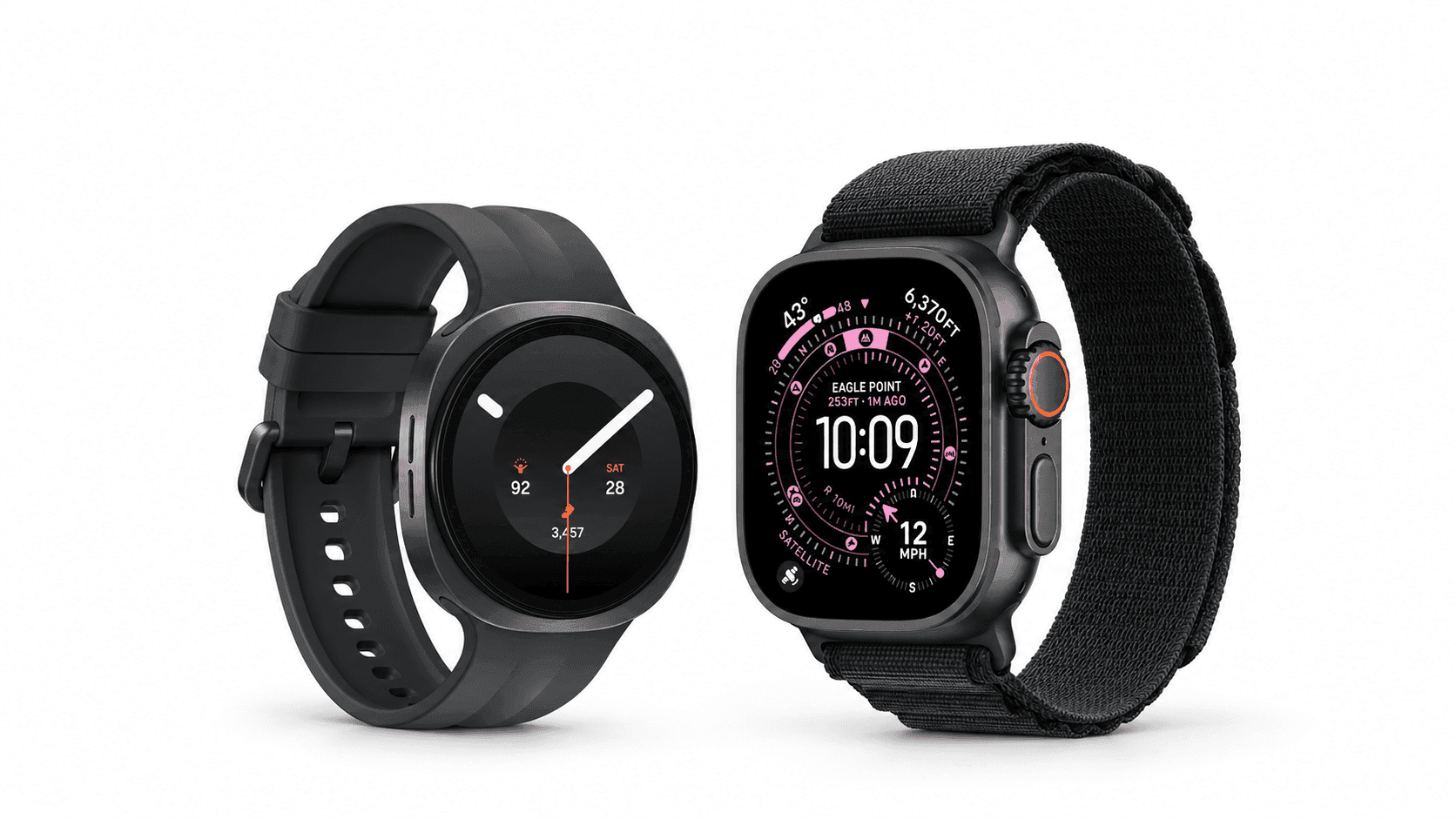
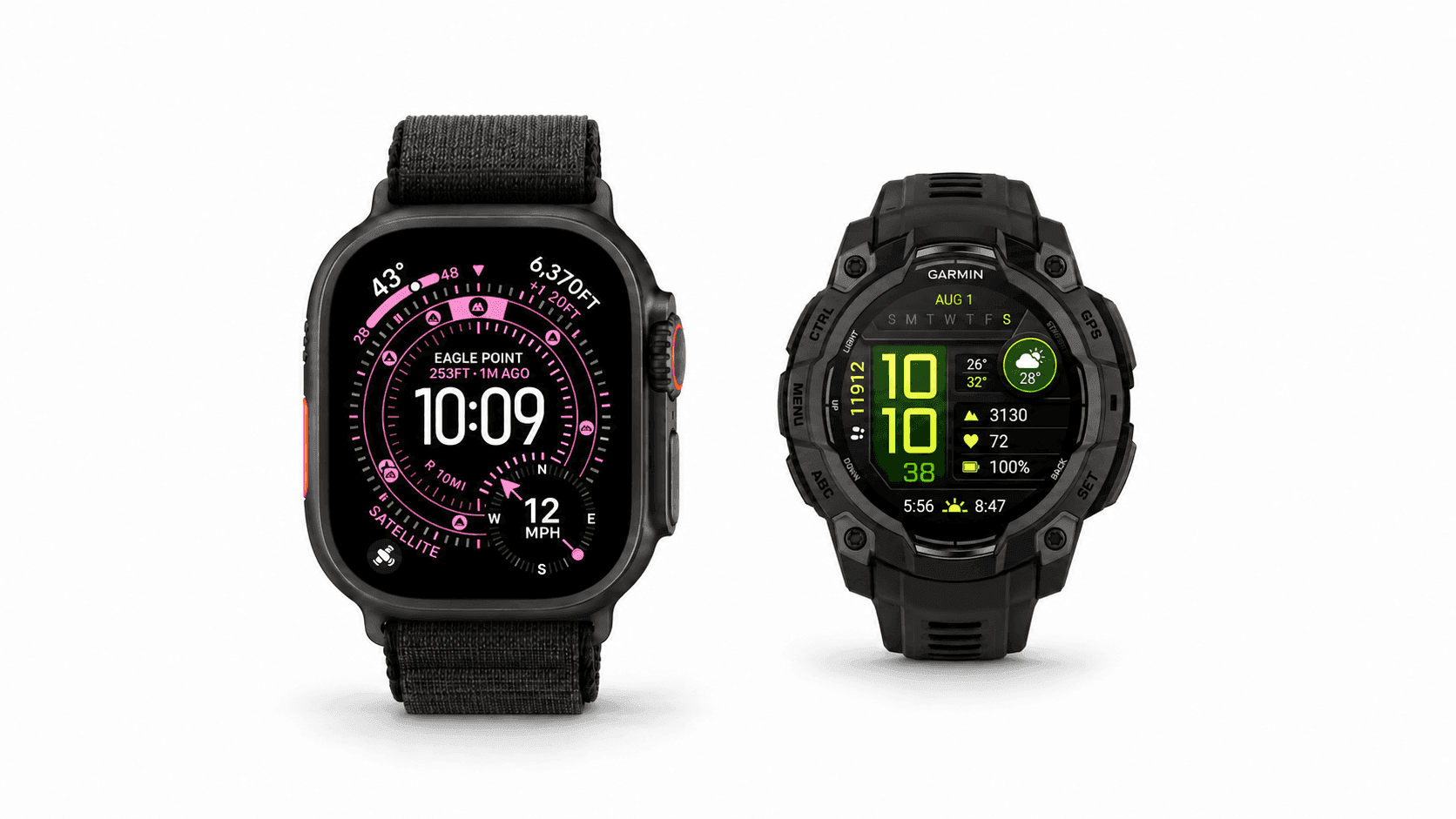
Skip it if you want several days of tracking without thinking about charging, because battery life is the biggest strike against it. Our Galaxy Watch 7 40mm review also rules it out for iPhone owners and points anyone who needs phone-free calls to the LTE models. If battery life matters more to you than apps, a dedicated fitness watch like the Garmins above is the better choice. If you want a small Wear OS watch that pairs closely with your Galaxy phone, this is the one to look at.
Galaxy Watch 7 40mm
For Android users who want notifications, fitness tracking, and Samsung Health on their wrist in a compact case. The linked version is the Cream Bluetooth model, so it can't connect to a cellular network on its own.
Bluetooth model in Cream. Check the current price before you order.
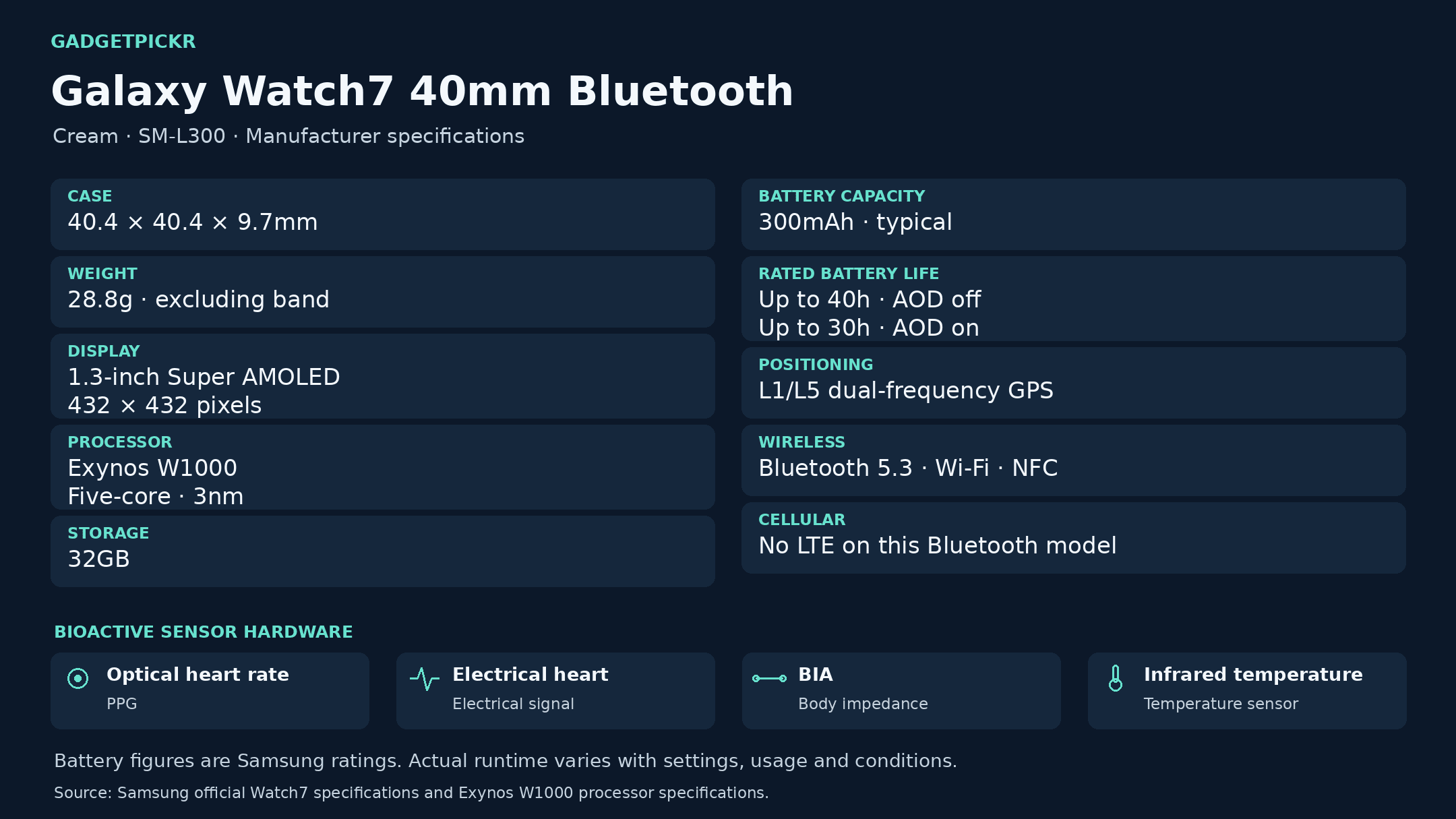
The Watch7 runs on Samsung's Exynos W1000, a five-core chip built on a 3nm process. You'll see two clock speeds listed, 1.6GHz and 1.5GHz, but it's still a five-core chip, not a dual-core one. Samsung pairs it with 32GB of storage, so there's room for apps and downloaded music once the operating system takes its share. That's handy if you'd rather take a playlist on a run than your phone.
Offline listening works with supported services like Spotify and YouTube Music, as long as you have the subscription they require. Download your music before you head out and pair Bluetooth headphones. Google Maps also supports offline maps on compatible Wear OS watches, which is another good use for the storage. You don't need an LTE plan for downloaded music or GPS recording.
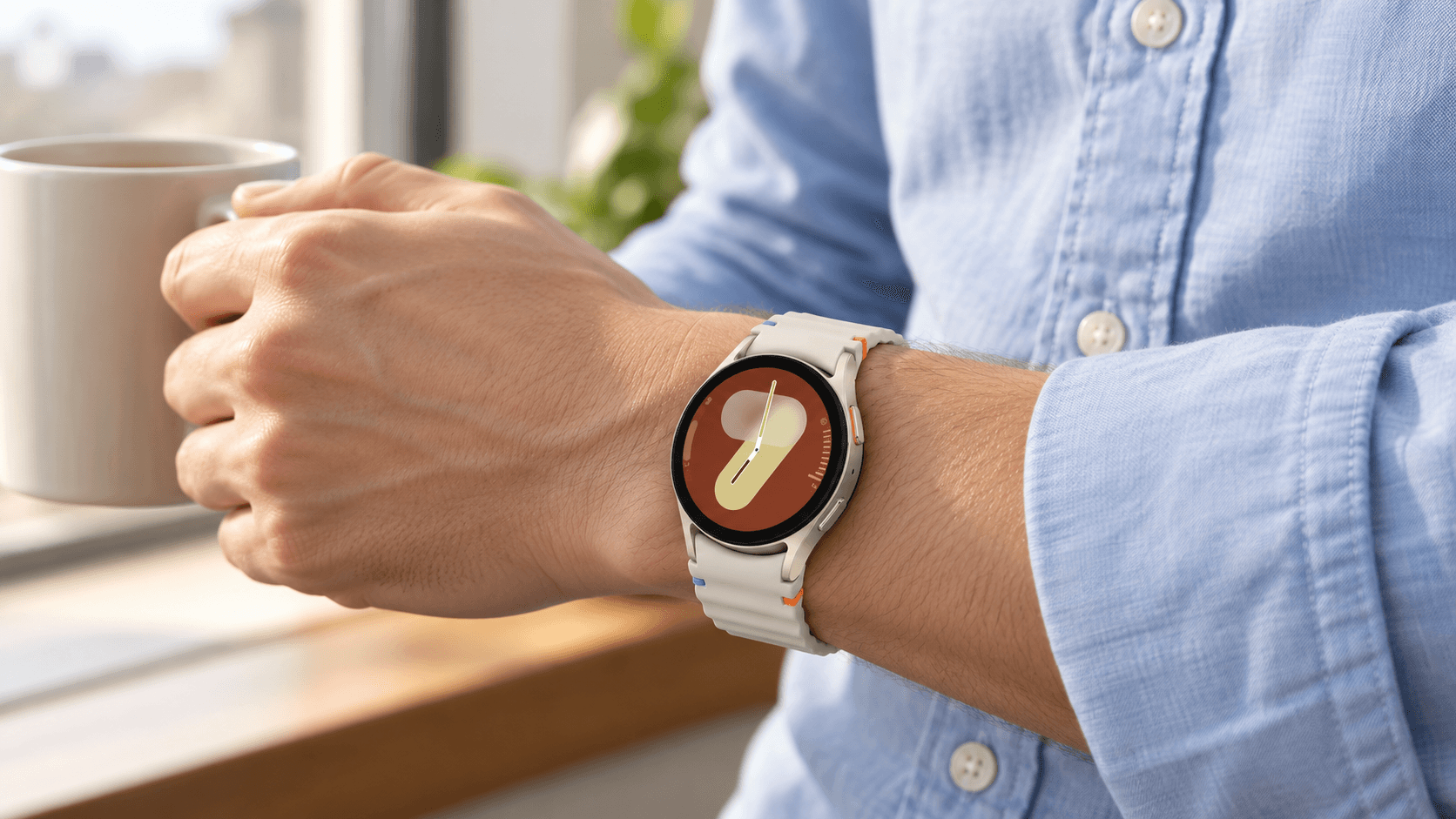
The case measures 40.4 × 40.4 × 9.7 mm, and the 28.8-gram weight doesn't include the band. That gives you something real to compare if you have smaller wrists, though the band and how well the sensor sits against your skin still decide the fit. Samsung sells the 40mm version in Green and Cream. Silver is only for the 44mm model. The affiliate link here is for Cream.
On the front is a 1.3-inch Super AMOLED screen at 432 × 432. The small screen leaves less room for typing, so it's better for quick replies and short taps than for writing long messages. If small text is hard for you to read, compare the screen sizes before you settle on the smaller case.
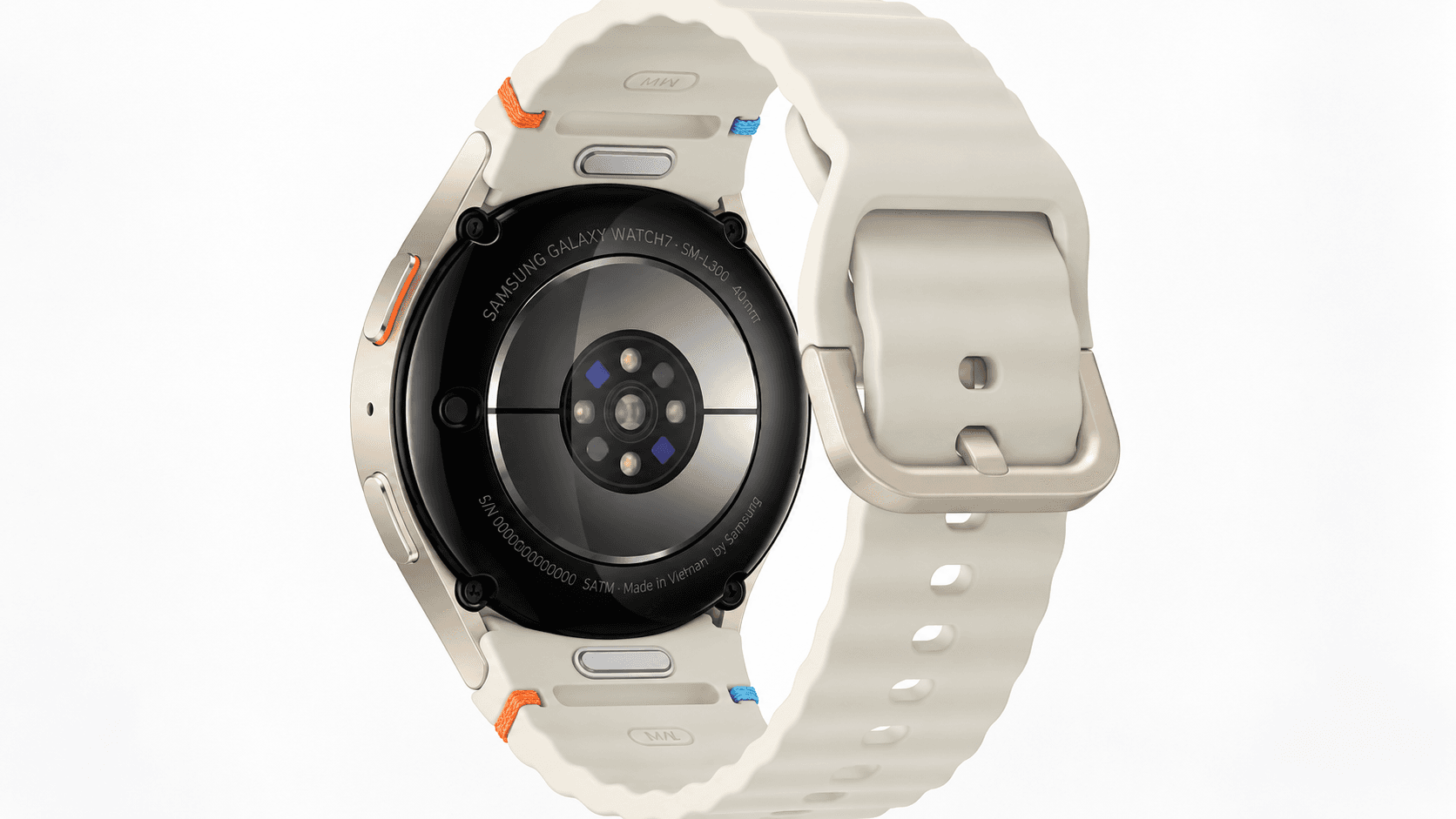
For workouts, the dual-frequency GPS picks up L1 and L5 signals. The BioActive sensor combines optical heart-rate tracking, an electrical heart sensor, and bioelectrical impedance analysis. There's also an infrared temperature sensor for overnight temperature tracking. Water resistance is rated at 5 ATM, which covers swimming but not diving. These are useful everyday tools, but they don't replace a doctor's assessment.
Galaxy Watch 7 40mm Review: Key Specs and Compatibility
Watch the case size and connection type when you compare listings. This is the smaller Bluetooth model with a 300mAh battery, so don't mix in specs from the 44mm or LTE versions.
Spec
Galaxy Watch 7 40mm (Bluetooth)
Case size
40.4 x 40.4 x 9.7 mm
Weight (without band)
28.8 g
Display
1.3-inch Super AMOLED
Resolution
432 x 432 pixels
Processor
3nm Exynos W1000, five-core (1.6GHz / 1.5GHz)
Storage
32GB
Software
Wear OS Powered by Samsung
Battery
300 mAh Lithium-Ion
Rated battery life
Up to 40 hours (AOD off); up to 30 hours (AOD on)
Water resistance
5 ATM
GPS
Dual-frequency GPS (L1 + L5)
Connectivity
Bluetooth 5.3, Wi-Fi, NFC; no LTE
To set it up, you need an Android phone running Android 11 or later and the Galaxy Wearable app. Samsung Health keeps your activity and wellness data. Samsung Health Monitor handles ECG and sleep-apnea detection. Samsung's current compatibility guidance says Energy Score works on non-Samsung Android phones too. The Health Monitor features still need a compatible Galaxy phone and have to be available in your region.
What Stands Out
The main reason to buy this watch is that you get full smartwatch software in a small case. You can install Wear OS apps, reply to messages, control music, and use supported tap-to-pay services, so it does a lot more than show your health stats. That suits someone who wants to reach for their phone less, more than someone who only wants a training log. If payments matter to you, check that your bank supports the watch first.
Dual-frequency GPS is another plus. Samsung says it tracks your location more precisely in dense cities, where signals bouncing off buildings can throw positioning off. It uses two GPS frequency bands, L1 and L5, to help with that. You'll get the most out of it if your usual route winds between tall buildings, and less if you mostly run on an open track.
The processor's job is to run a full app platform in a small case. Samsung lists it as a five-core 3nm chip, but that alone doesn't tell you how fast specific apps will open or run. What matters is whether you'll actually use the apps. If you mostly track steps and sleep, pay more attention to the software features and how often you'll need to charge it.
Energy Score rolls your sleep and recent activity into one daily number in Samsung Health. It's a quick way to spot patterns without opening every metric. Look at it alongside your sleep and workout records, especially when the score doesn't match how you feel. A single number should help you read your data, not decide your day for you.
Sleep-apnea detection is a different kind of feature, with a specific medical purpose and rules about who can use it. Samsung's FDA-authorized feature looks for signs of moderate to severe obstructive sleep apnea in adults 22 and older who haven't already been diagnosed. It needs enough sleep data from two nights within ten days, plus a compatible Galaxy phone. If it flags something, that's a reason to see a doctor. It isn't a diagnosis.
Strengths
The small size helps if bigger watches hang over the edges of your wrist. At 40.4 mm across, you get the same app platform without the 44mm case. Samsung also publishes the case weight, which is more useful for comparing watches than a vague promise of all-day comfort. Check the band fit separately, since a light case won't help if the strap is too loose or too tight.
Samsung's Sport Band is made of HNBR rubber. The S/M size fits wrists from 130 to 190 mm, so measure your wrist and check which band size comes in the box before you order. Good sensor contact matters for sleep tracking as much as for workouts. Don't assume every small watch will fit every small wrist.
If you commute and then hit the gym, notifications, music controls, and NFC payments are the everyday draws. You can handle quick tasks on the watch and save longer ones for your phone. Offline music lets you work out without a data connection, but only if you remember to download it first. Otherwise you'll find an empty playlist when you're already out the door.
BioActive sensing also puts several kinds of tracking in one place: heart rate, ECG, and body-composition estimates alongside sleep data. That's useful if you already use Samsung Health and want all your history together. Body-composition numbers are wellness estimates, so track the trend over time and don't treat one reading as a medical measurement. The phone and region rules still apply to the specialist features.
Weaknesses
Battery life is the biggest compromise. Samsung rates the watch for up to 30 hours with the always-on display on and up to 40 hours with it off. Those are manufacturer ratings that depend on your settings, so heavy workouts, lots of notifications, and overnight tracking can all change how long it lasts. Plan a regular time to charge it if you want both daytime and sleep data.
That makes charging a bit of a scheduling problem. Charging overnight is easy, but then the watch is off your wrist when you want it tracking your sleep. A daytime top-up works better, as long as your routine gives you a reliable moment to take it off. If you tend to forget to charge small gadgets, a fitness watch with longer battery life is worth a serious look.
Phone compatibility is the next limit. It won't pair with an iPhone, and a non-Samsung Android phone doesn't unlock every Samsung feature. Energy Score works beyond Galaxy phones, but ECG and sleep-apnea detection need a Samsung phone. Buy it for the features your phone can actually use, not the longest feature list on the box.
Being Bluetooth-only also limits how independent it can be. It can record GPS workouts and play downloaded music away from your phone, but it has no cellular modem, so you can't make normal calls without your phone. Wi-Fi can keep some apps and remote features connected where you've set them up, but it won't keep you connected on a run. Get an LTE version if you need to be reachable without your phone.
Best Alternatives
Garmin's vívoactive 5 swaps Wear OS apps for Garmin's fitness ecosystem, and Garmin rates it for up to 11 days in smartwatch mode. That makes it the better pick if you hate charging. The Forerunner 165 adds running-focused daily suggested workouts and physical buttons, so it suits structured training better than Samsung's everyday app focus. Google's Pixel Watch 2 brings Fitbit integration and a curved-glass design for Android users who prefer Google's take, but its rated 24 hours with always-on display doesn't fix the battery problem either.
Who Should Buy It
Get the Watch7 40mm if you own a compatible Galaxy phone and want a small watch for both smart features and activity tracking. That pairing gets you every Samsung feature your region supports, which is the strongest reason to buy it. After that, pick this size because it fits your wrist, not because a smaller screen is somehow better. You'll get more out of it if you use quick replies, timers, music controls, and payments than if you never open a watch app.
It also works for runners who usually keep their phone nearby but sometimes want to record a GPS run with downloaded music. Leaving your phone at home doesn't make the Bluetooth model useless. You just need to know which features work on their own and which need a connection. Download your music and maps beforehand, and decide whether you're OK missing calls while you're out.
If you have a non-Samsung Android phone, there's less reason to buy it, but it can still make sense. Notifications, compatible apps, core Samsung Health tracking, and Energy Score all still work. Get it if those are what you want, and don't pay extra expecting ECG or sleep-apnea features your phone can't turn on. A Galaxy phone gets you the most, but you don't need one for most of the useful stuff.
Commission may be earned from this link, at no extra cost to you.
Who Should Skip It
If you have an iPhone, it's out, because it won't pair. If you're a traveler, camper, or anyone who wants a week of tracking, move on too. The battery is rated in hours, not days, which is the main reason to look at a Garmin instead. Don't expect a compact Wear OS watch to behave like an endurance sports watch.
Skip the Bluetooth version if you need to make calls without your phone. Built-in GPS doesn't give you a cellular connection, and Wi-Fi won't cover you while you're out. An LTE model with a compatible plan handles that. And if reading and replying on a small round screen would bother you every day, consider a bigger display.
Sources & References
Specifications and claims in this analysis were cross-referenced against the sources below.