Google Pixel Watch 3: Good Analytics, One-Day Battery
A Google Pixel Watch 3 review of the 41mm LTE model — Wear OS 5, the 24-hour battery rating, Fitbit running analytics, and exactly which Android buyers it suits.
Third time out, Google's smartwatch finally seems to know what it wants to be. This Google Pixel Watch 3 review covers the 41mm LTE model — the smaller case with its own cellular radio — and what Android owners actually get for the money. On paper the watch sits between a notification screen and a running watch: Wear OS 5 on the software side, Fitbit's health engine underneath, and a cellular connection so your phone can stay home. The rivals are obvious. Samsung's Galaxy Watch 7 owns the Android middle ground, the Apple Watch Series 10 owns iPhone users outright, and Garmin owns anyone who counts battery in days rather than hours. What follows breaks the spec sheet into the trade-offs that decide whether this 2024 release belongs on your wrist — display and sensors, power budget, ecosystem lock-in, and who it genuinely suits.
Some links in this article are affiliate links, which helps support GadgetPickr at no extra cost to you.
The Quick Take
A polished Android smartwatch with useful running analytics, held back by a one-day power budget. Wear OS 5 handles the smart side, Fitbit's algorithms turn heart rate and sleep data into a readiness score you can plan around, and the LTE radio lets you leave the phone in a drawer. Charge it nightly and it's a strong fit. Resent charging it nightly and it isn't.
Verdict
Everything in this Google Pixel Watch 3 review points to one buyer and one dealbreaker. Buy it if you're an Android owner who wants Fitbit's readiness and training analytics with phone-free LTE on a compact case — that combination doesn't exist anywhere else in this class, and it's the single strongest reason to choose it.
Skip it if your charging routine can't absorb a nightly top-up. The 24-hour battery life rating is the one specification that will annoy you daily, and no amount of software polish compensates for a watch that dies on a long weekend.
Beyond that, the picture is straightforward. Wear OS 5 handles notifications, payments, navigation, and voice with the speed you'd expect from Google's own hardware, while advanced running metrics and readiness scores give the watch a genuine training role rather than a decorative one. LTE untethers calls and mapping from your phone. A 41mm case keeps it light and low-profile on smaller wrists.
The costs are just as clear: daily charging, less screen than a 45mm rival, Android-only pairing, and a Fitbit Premium subscription standing between you and the deepest health trends. Weigh those against a Garmin Venu 3 if multi-week stamina is your priority. For everyone else on Android, this is a capable, well-integrated smartwatch that earns its place in a crowded market.
Google Pixel Watch 3
Best for Android owners who want Fitbit health analytics and phone-free LTE on a compact 41mm case.
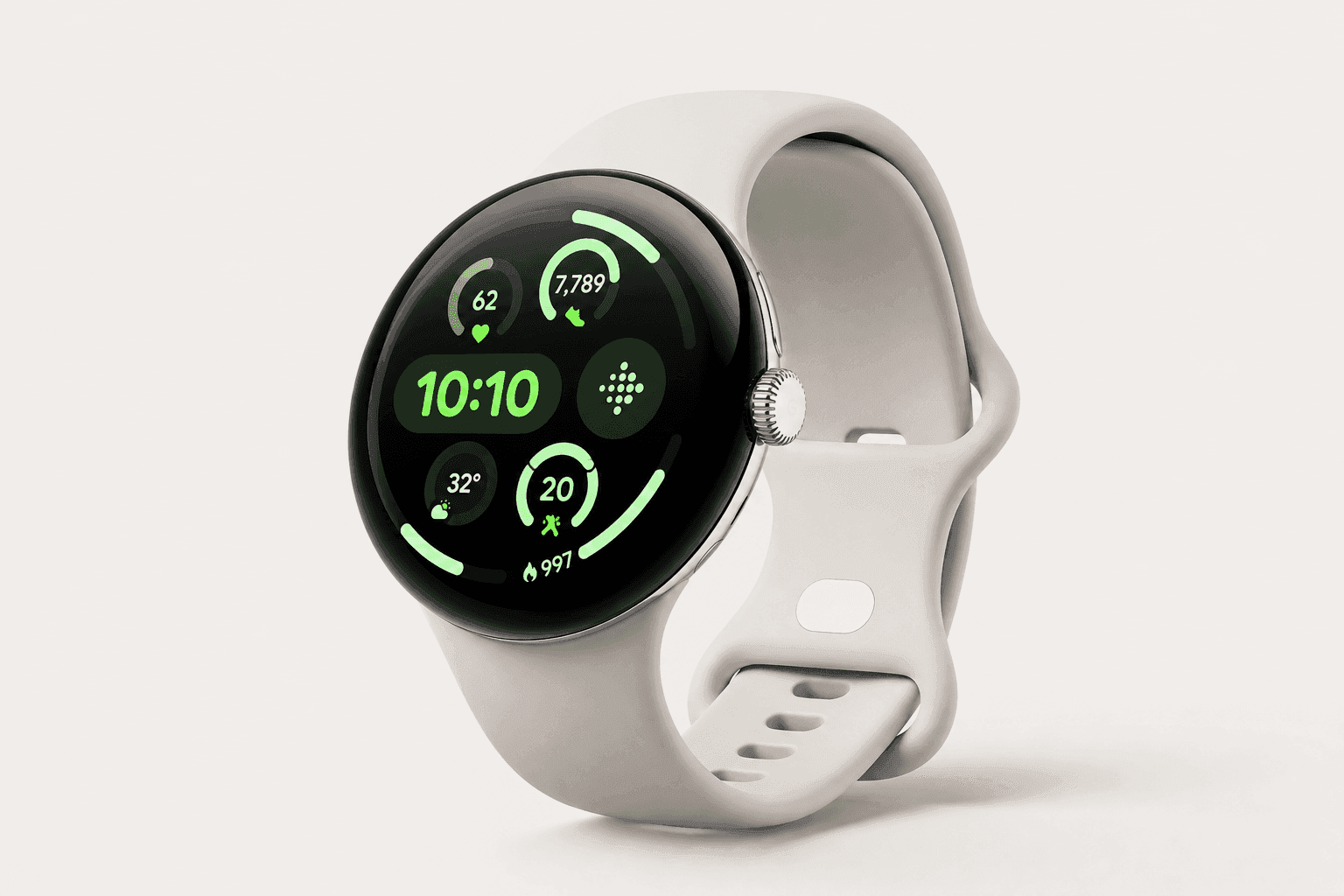
Start with the case. It's a 41mm circle, the smaller of the two sizes, and it pairs with Android phones only. That's not a soft limitation — there is no iOS path.
Wear OS 5 runs everything. Google's pitch for this version is better memory handling, lower energy draw, and quicker app launches than older Wear OS builds, which matters far more on a wrist-sized battery than it ever did on a phone.
Then there's the cellular radio, which is the entire reason to pick this configuration over the Wi-Fi model. With LTE active, the watch streams music, sends texts, takes calls, and pushes Google Maps directions with no handset in range. Runners, commuters, and anyone who hates carrying a phone on a walk will get the appeal in about ten seconds.
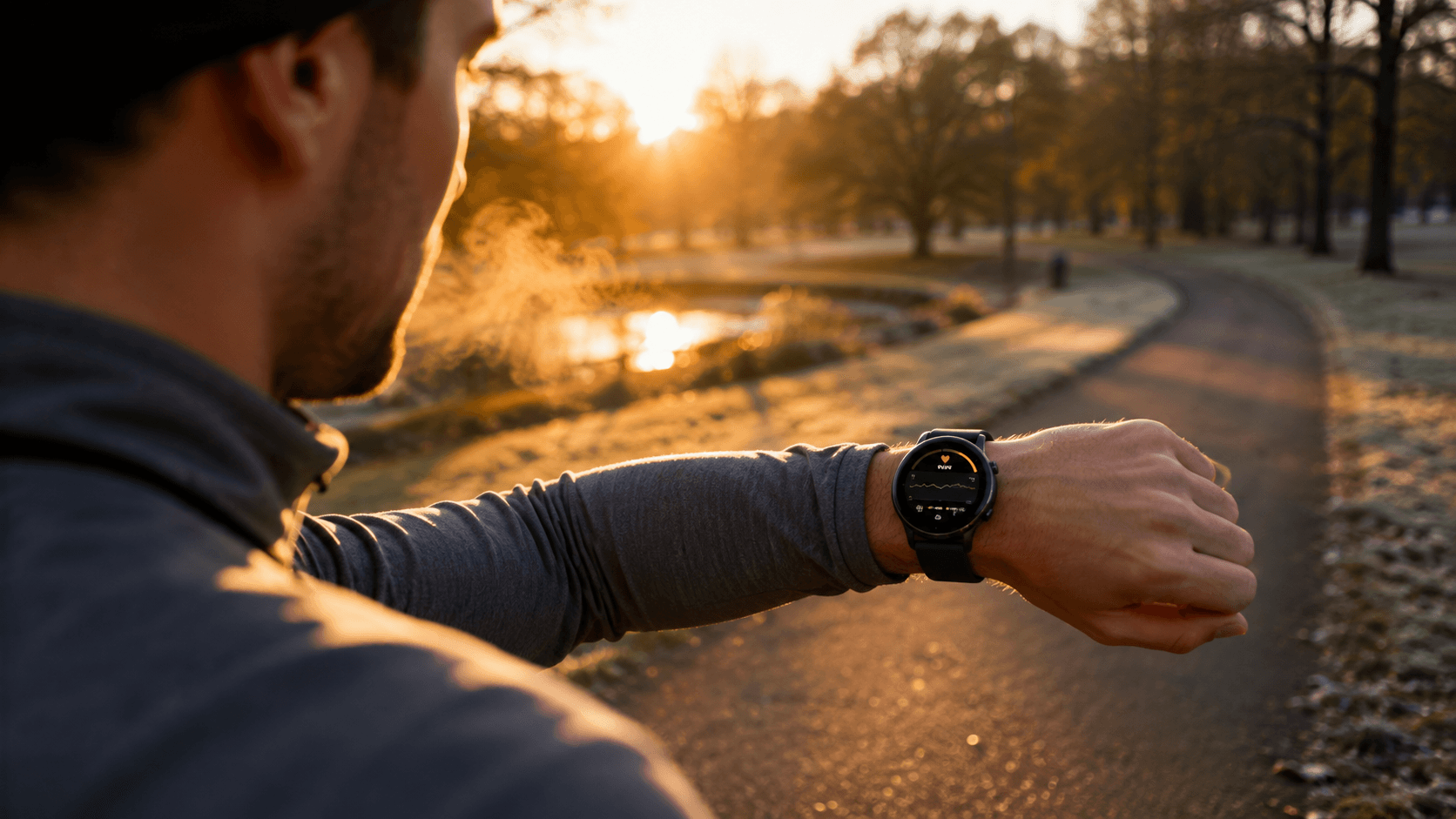
Fitness tracking runs on Fitbit software built into Wear OS 5 rather than bolted on beside it. Continuous heart rate monitoring, advanced running insights, and cardio load targets are the headline items. The point isn't the raw numbers — it's the watch reading your biometric data and telling you how hard to go today based on what you did yesterday, instead of holding you to a static step goal.
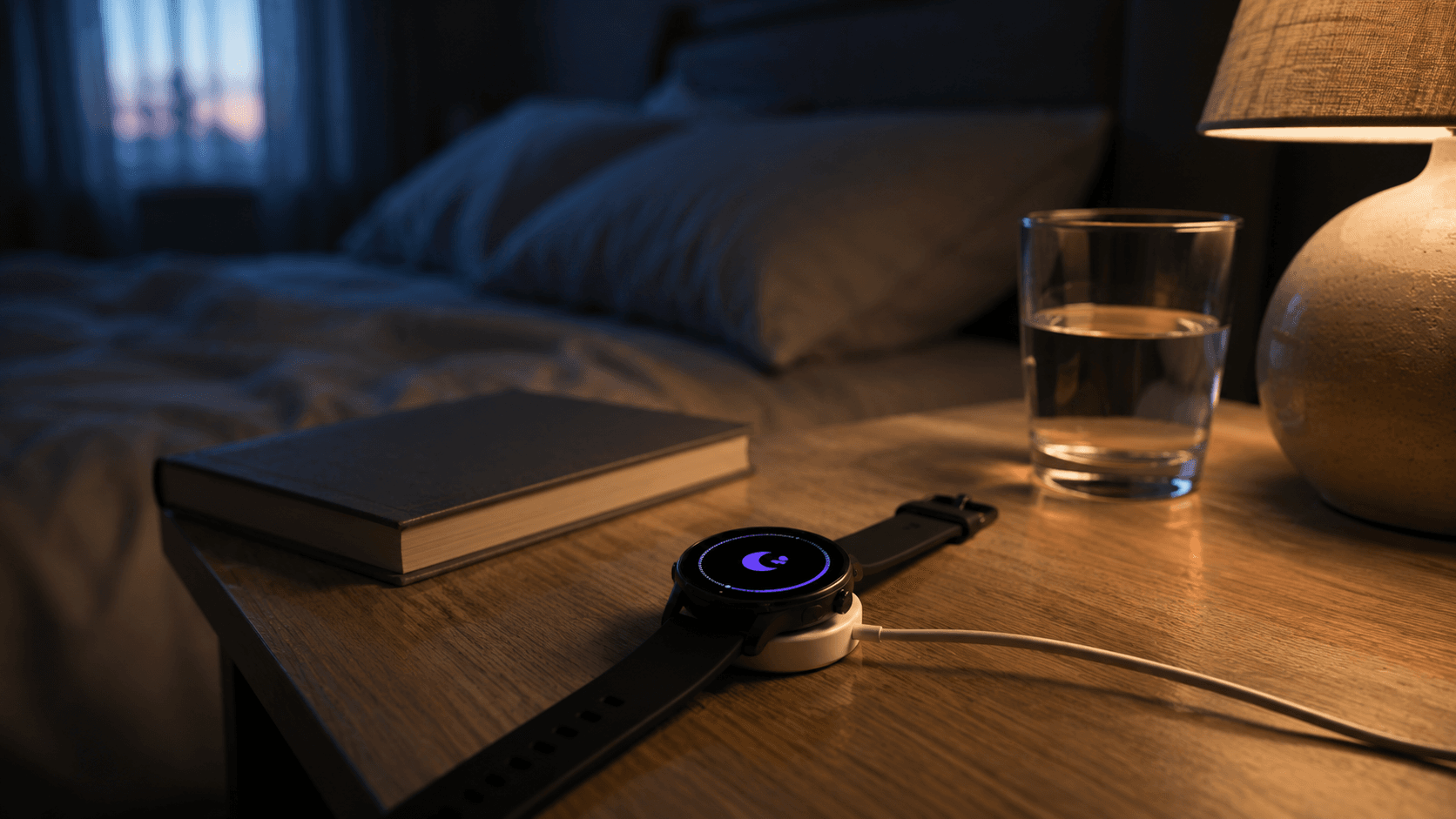
Power management is built around a manufacturer-claimed 24-hour battery life rating. That budget covers ordinary use: notifications, background health polling, a full night of sleep tracking. Switch on LTE, or track an hour of outdoor GPS, and you'll draw that reserve down noticeably faster. The design trades stamina for a slim wrist profile, and it's a deliberate trade.
Google's own services fill out the rest of the experience — Wallet for contactless payments, Assistant for voice queries, Home for lights and locks, all from the wrist. Android-exclusive compatibility costs the company iPhone buyers, but it buys tighter notification handoff and faster background sync between watch, phone, and cloud, so workout metrics are ready for review before you've finished stretching.
Key Specs and Compatibility
Here's the spec sheet in short form, followed by what you need on the phone side to make any of it work.
Specification
Value
Model Name
Google Pixel Watch 3
Case Diameter
41mm
Operating System
Wear OS 5
Network Connectivity
LTE
Battery Life Claim
24-Hour
Device Compatibility
Android Only
Release Year
2024
Health Metrics Engine
Fitbit Workout Suite
Primary Focus
Fitness Tracking and Smartwatch Capabilities
Target Ecosystem
Google Services and Android OS
You'll need a compatible Android smartphone for initial setup, Fitbit profile synchronization, and ongoing Wear OS 5 app management. There's no workaround, no companion app for iOS, no partial-functionality fallback.
What Stands Out
Software is where this generation earns its keep. Wear OS 5 gives you fast app launches, responsive voice commands, and Google services that actually talk to one another — and the upgraded Fitbit workout suite sits on top of that, aimed at guidance rather than raw logging.
Runners get the interesting material. Cadence, stride length, vertical oscillation: form data tracked across weeks, which tells you whether you're becoming more efficient or just accumulating fatigue. Target-based workouts layer real-time audio and haptic cues on top mid-run, while readiness indicators fold sleep quality, heart rate variability, and recent strain into a single push-or-rest answer each morning. That's the difference between a notification panel and a training tool.
Hardware backs the software up without getting in the way. A 41mm footprint keeps the watch small on narrow wrists, which is a real consideration when you plan to wear it through workouts and overnight sleep tracking. The circular AMOLED panel delivers saturated color, deep blacks, and daylight legibility, so pace alerts and turn-by-turn prompts stay readable at a glance outdoors.
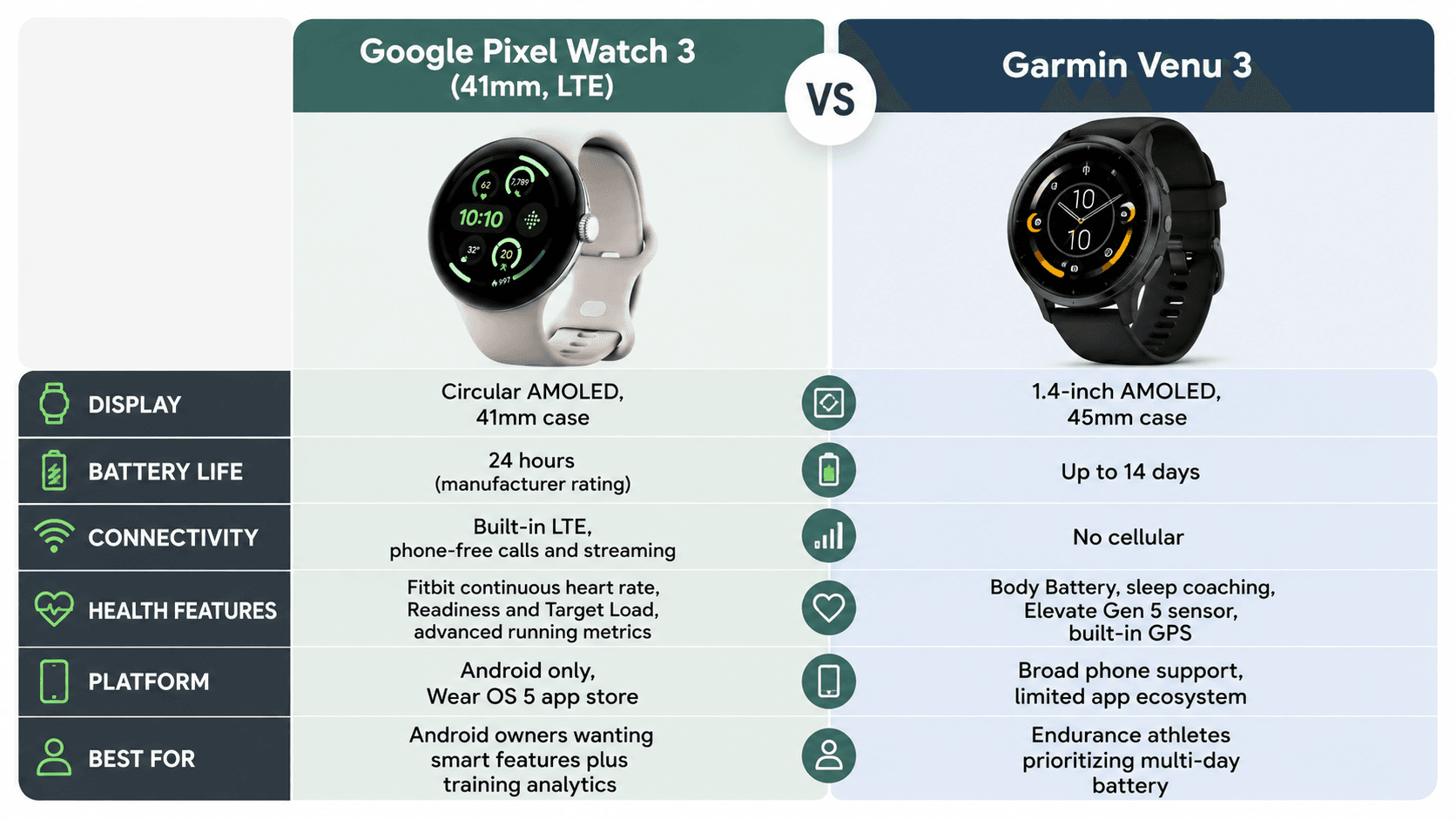
Cellular is the clean differentiator against cheaper Wear OS watches. Voice calls, texts, Maps navigation, and music streaming all work with the phone left at home. Garmin's Venu 3 answers with a 1.4-inch AMOLED display and battery life extending up to 14 days; Google answers with a richer app platform and deeper analytics. Two philosophies, one wrist, and the choice is yours.
Strengths
Day to day, this watch works as a wrist-sized extension of an Android phone. Notifications, Google Wallet contactless payments, Google Home controls, turn-by-turn directions — everything sits one tap deep, and Wear OS 5 keeps the routine stuff out of your way.
Native LTE in the 41mm chassis is the practical win. Morning run, quick errand, dog walk: leave the handset, still take the urgent call, still check messages, still stream audio. That independence is the feature people pay the cellular premium for, and it delivers.
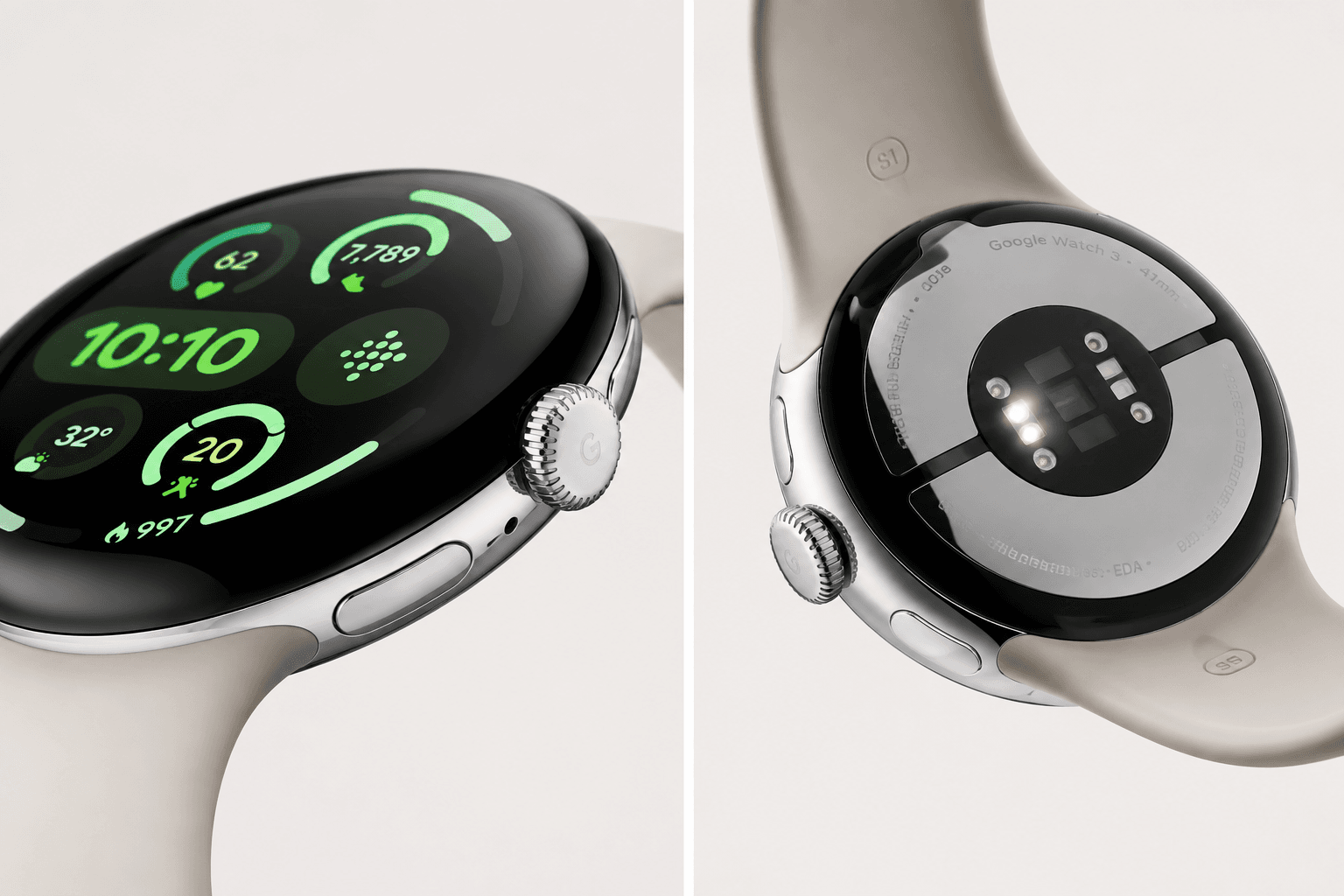
Health data collects quietly in the background. Continuous heart rate monitoring across varied exercise intensities feeds the Fitbit algorithm, which generates daily Readiness and Target Load scores. Overnight, the watch records distinct sleep stages, skin temperature variations, and breathing disturbance patterns, then compiles them into a morning summary that shapes what you should do with the day.
Customization deserves a mention too. Watch faces accept custom complications, so heart rate logs, weather, or battery percentage land exactly where you'll read them fastest. The side crown scrolls menus physically, which is a more dependable input than a touchscreen when you're wearing workout gloves or dealing with wet hands. Alarms, notification handling, and do-not-disturb modes mirror your connected handset rather than fighting it.
Weaknesses
Power endurance is the headline problem. A 24-hour battery life specification means charging every single day, and that rating assumes you aren't leaning hard on GPS workout tracking, the always-on display, or standalone LTE with no phone nearby.
Endurance athletes will feel that constraint immediately. The Garmin Venu 3 provides up to 14 days of battery life, which is a different category of freedom for multi-day outdoor trips or uninterrupted sleep and recovery tracking. Screen size cuts the same direction: 41mm suits smaller wrists and a slim look, but shows less of a complex map and fewer data fields than 45mm or 47mm smartwatches.
Ecosystem lock is the third trade-off, and the least forgiving. Wear OS 5 restricts the watch to Android, leaving iPhone owners unable to pair it at all. On top of that, unlocking the full depth of historical health trends, sleep profiles, and personalized training plans generally requires an ongoing Fitbit Premium subscription after the initial six-month trial expires. Budget for that recurring cost, or plan around a thinner feature set.
Best Alternatives
Three watches deserve a look before you commit, and each one takes something away to give you something else.
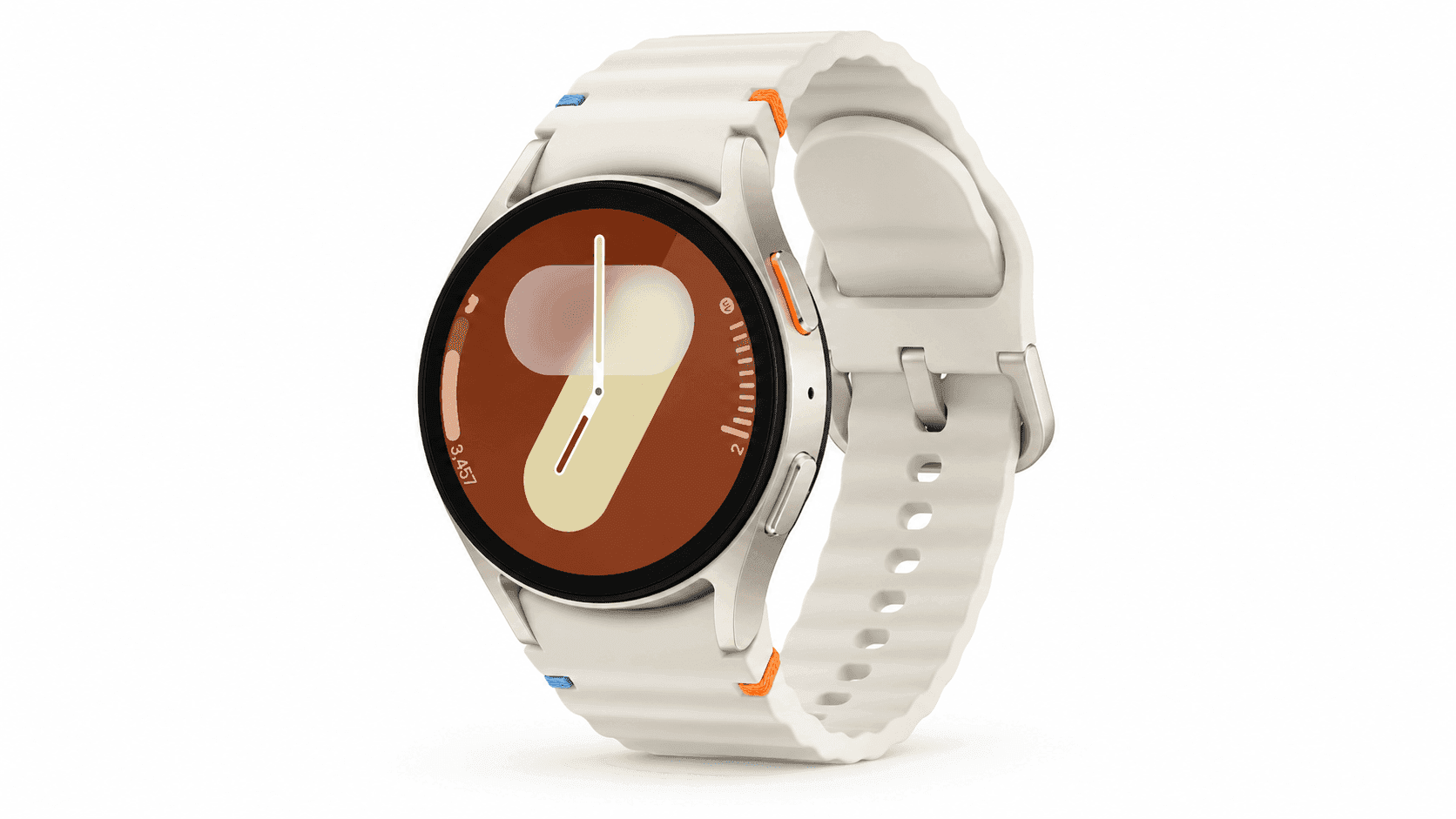
Samsung Galaxy Watch 7 is the closest Android rival and the smarter pick if you carry a Galaxy phone, because Samsung reserves certain health features like ECG, irregular heart rhythm notifications, and sleep apnea for Samsung phones — whereas the Pixel Watch 3's Fitbit running metrics behave the same on any Android handset.
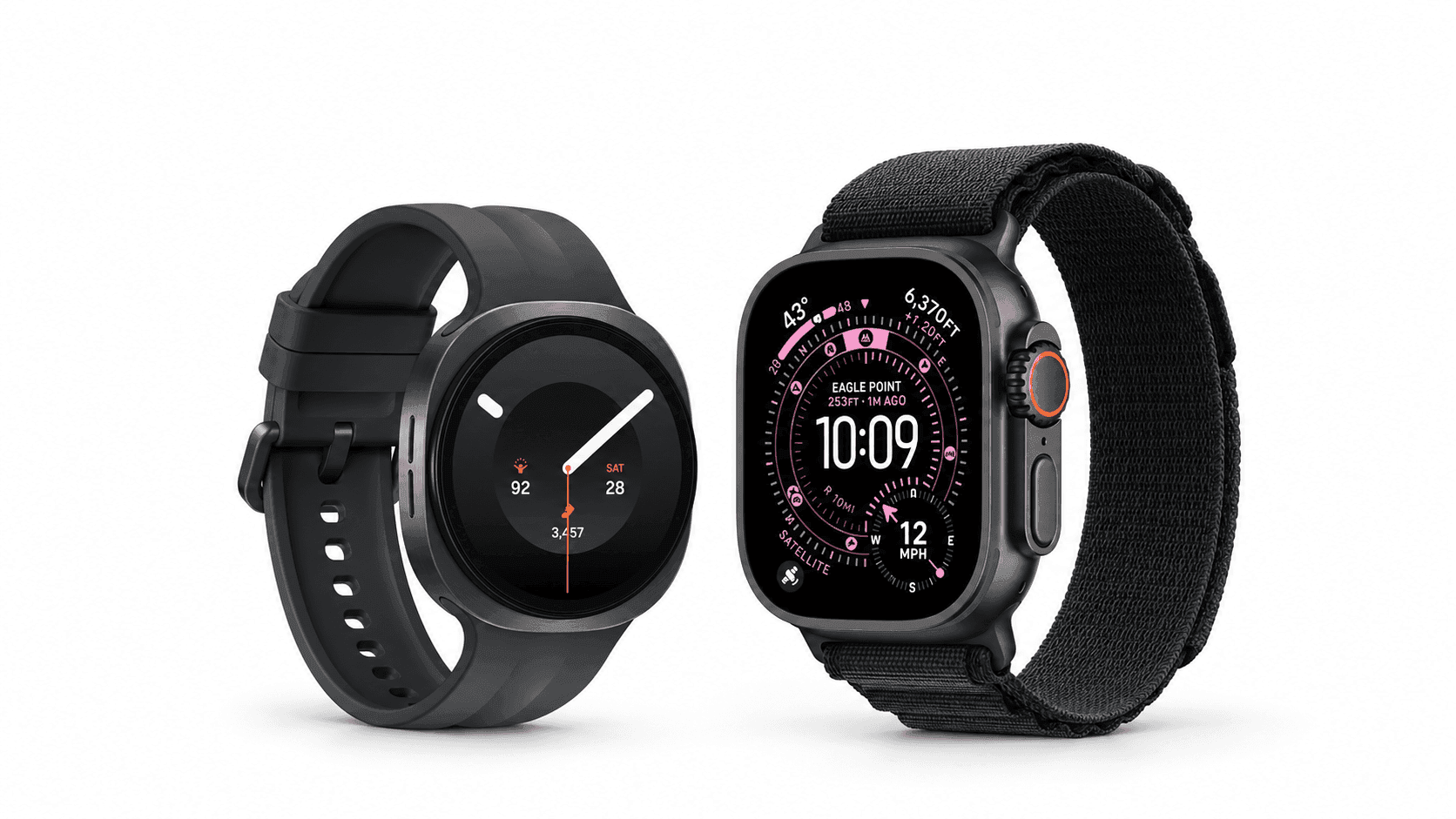
Apple Watch Series 10 only enters the conversation if you're on an iPhone, in which case it wins by default: the Pixel Watch 3 won't pair with iOS at all, so this is a platform decision rather than a feature comparison.
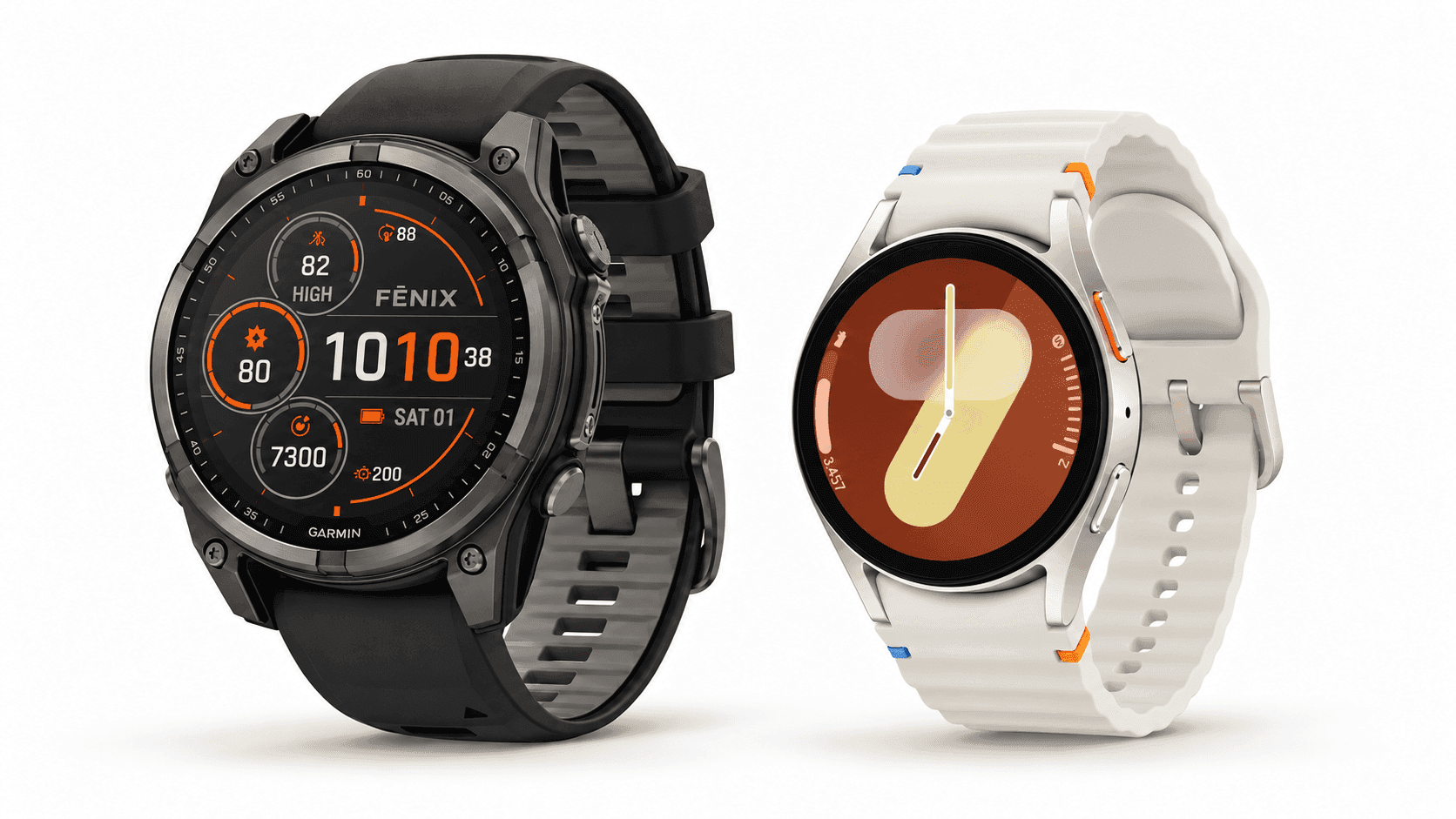
Garmin Venu 3 trades app breadth and cellular independence for stamina and sports depth, offering up to 14 days of battery life on a single charge, a 1.4-inch AMOLED display in a 45mm case, Body Battery energy monitoring, sleep coaching, built-in GPS, and an upgraded Elevate Gen 5 heart rate sensor.
Who Should Buy It
Buy it if you own an Android phone and want health analytics that do something with the data rather than just display it. Already using Fitbit? Even easier — your history carries over, and the advanced running metrics slot into Wear OS 5 without a second app to manage.
Standalone LTE makes this a natural fit for runners, commuters, and gym regulars who'd rather not strap a phone to their arm but still need to be reachable. Calls, texts, and data all work untethered, which is exactly the scenario the cellular model exists for.
Design-conscious buyers with smaller wrists get the other half of the argument. A 41mm case stays unobtrusive during sleep tracking and hard training sessions, and the tight sync between Google's productivity tools, Assistant, and Fitbit metrics gives professionals one device covering both calendar and cardio. Charge nightly as a habit, stay on Android, and this watch fits your life without friction.
Commission may be earned from this link, at no extra cost to you.
Who Should Skip It
Skip it if you use an iPhone. Wear OS smartwatches don't support iOS, full stop, and anyone planning a jump to Apple in the next year or two should shop elsewhere now rather than eat the loss later.
Endurance and ultra-distance athletes are the other clear no. A 24-hour battery life rating forces daily charging, and battery-heavy features like standalone LTE tracking and continuous GPS across long sessions shorten that window further. If you need multi-day tracking away from an outlet, the Garmin Venu 3 and its up to 14 days of battery life is the more sensible tool. Buyers who want a big canvas for maps and dense dashboards should also size up — 41mm is a small window.
Sources & References
Specifications and claims in this analysis were cross-referenced against the sources below.
No. The Pixel Watch 3 runs Wear OS 5 and pairs with Android phones only. Setup, Fitbit sync, and app management all require a compatible Android handset, and no iOS companion app exists.