Samsung Galaxy Watch Ultra: Rugged, Bright, Not Subtle
A look at the Samsung Galaxy Watch Ultra: what the 47mm titanium build, dual-frequency GPS and health sensor stack deliver on paper, where battery life gives out, and how it stacks up against the Garmin Venu 3 and Google Pixel Watch 3.
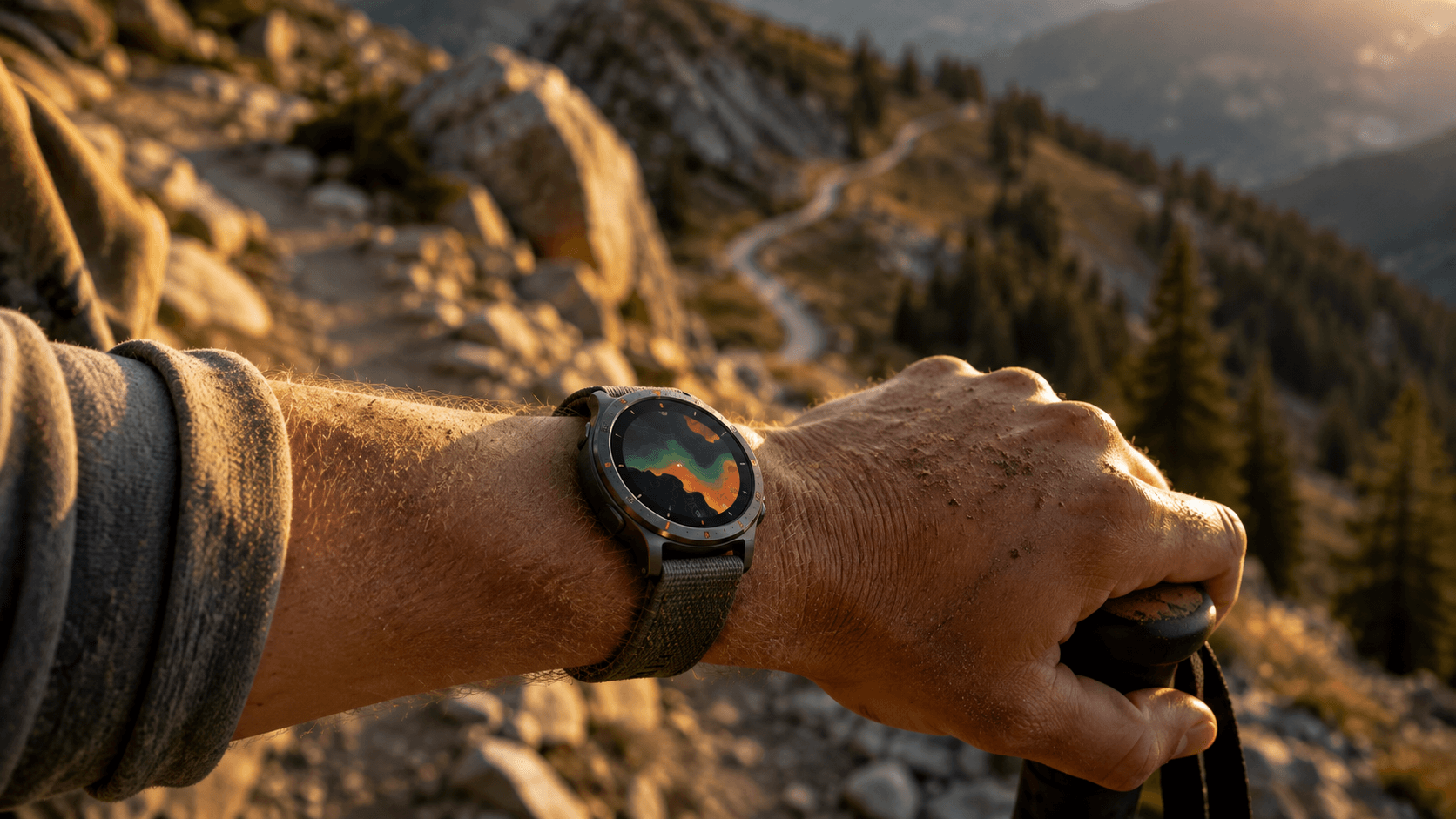
Samsung's answer to the rugged endurance smartwatch category does not hedge. The Galaxy Watch Ultra pairs a 47mm chassis with a 1.5-inch AMOLED display and aims at people who spend hours outside with a watch running the entire time — trail runners, cyclists, hikers who care where the route actually went.
Under that armored shell sit 64GB of internal storage, standalone LTE and AI-assisted health algorithms, which makes this the most feature-dense wearable Samsung currently sells. Big claims. This Samsung Galaxy Watch Ultra review works through what those numbers actually buy you, and where they run out.
Everything below comes from documented hardware and how that hardware lines up against the competition.
So where does the spec sheet leave it? Battery behavior under active GPS, sensor coverage and how Wear OS handles a watch this size matter far more than the shape of the bezel. Measured against the Garmin Venu 3 and the Google Pixel Watch 3, the picture sharpens quickly.
Some links in this article are affiliate links, which helps support GadgetPickr at no extra cost to you.
The Quick Take
Samsung's most rugged wearable to date, and its least subtle. A squircle titanium case, an extra-bright display and multi-sport tracking put it between an everyday smartwatch and a dedicated outdoor watch — leaning harder toward the outdoors end than any Galaxy Watch before it.
Verdict
This Samsung Galaxy Watch Ultra review lands on a clean split. Buy it if you carry a Samsung phone and want one watch that takes trail abuse and still runs a full app platform — the strongest single reason is dual-frequency GPS behind a 1.5-inch AMOLED in a titanium case built for impact, with LTE so the phone can stay home. Skip it if battery endurance is your top priority or your wrist is on the smaller side, and the strongest single reason there is equally blunt: no power-saving mode turns a bright AMOLED smartwatch into a two-week expedition tracker, and the Garmin Venu 3 already is one. Non-Samsung Android owners sit in an awkward middle, since the readiness scores and tightest integrations assume a Galaxy handset. For everyone who does fit the profile, this is the most capable wearable Samsung has shipped.
Samsung Galaxy Watch Ultra
Best for Android users who want rugged construction, LTE independence and detailed health tracking on one wrist.
Sits at the top of Samsung's watch range, above the standard Galaxy Watch models.
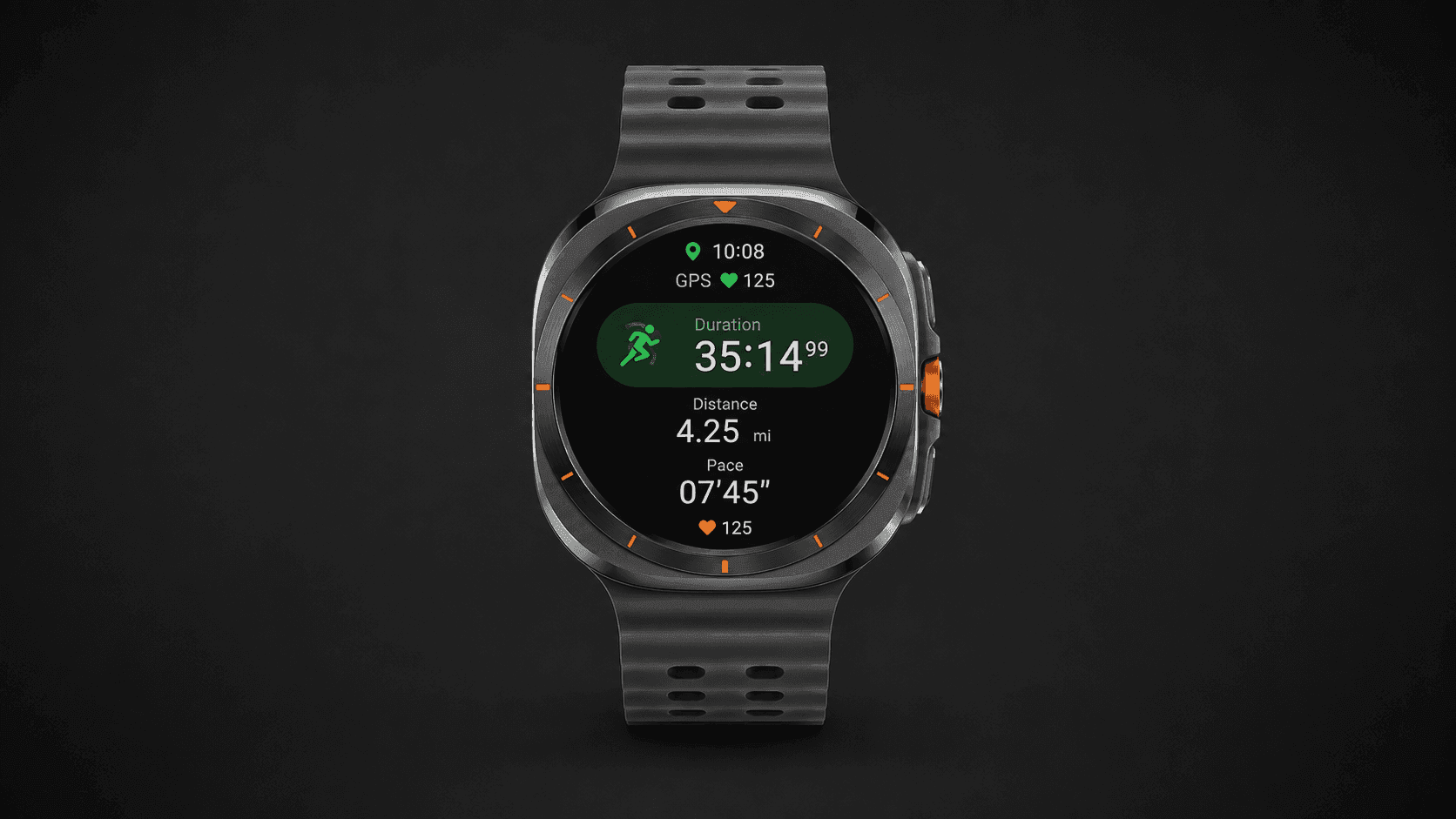
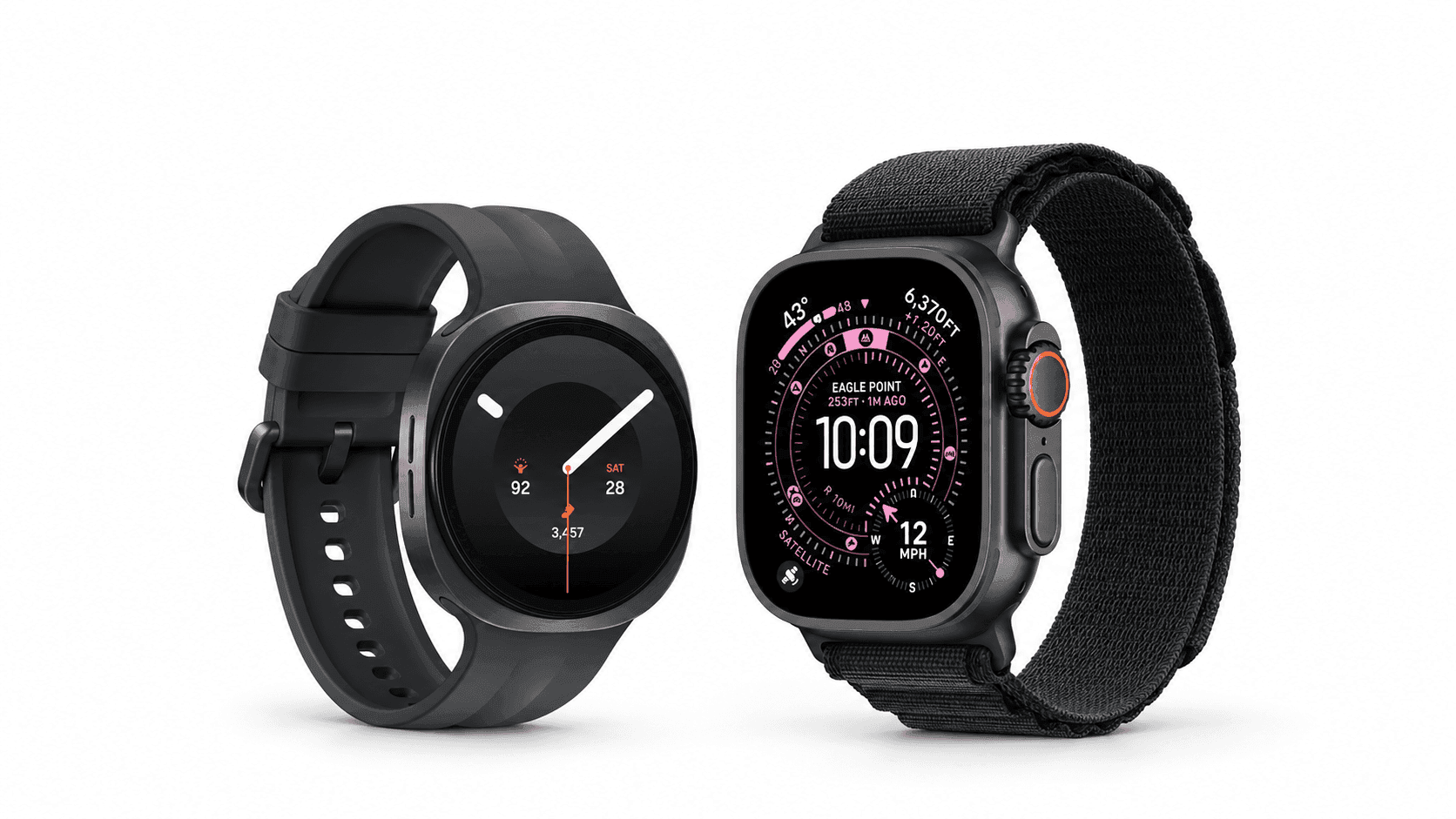
Start with the frame. Samsung built the Galaxy Watch Ultra around a 47.4mm titanium case, and gave it a 1.5-inch AMOLED panel. That extra screen area does real work: multi-metric workout screens, topographic maps and notification text all get room before anything has to shrink to fit.
Storage is 64GB. Offline map regions, a serious music library and third-party app caches can coexist without you pruning anything to make space. Bluetooth + LTE handles calls, emergency signaling and live data with no phone in range, while Wi-Fi and Bluetooth cover sync with Samsung Health and pairing with external sensors like chest straps and cadence pods.
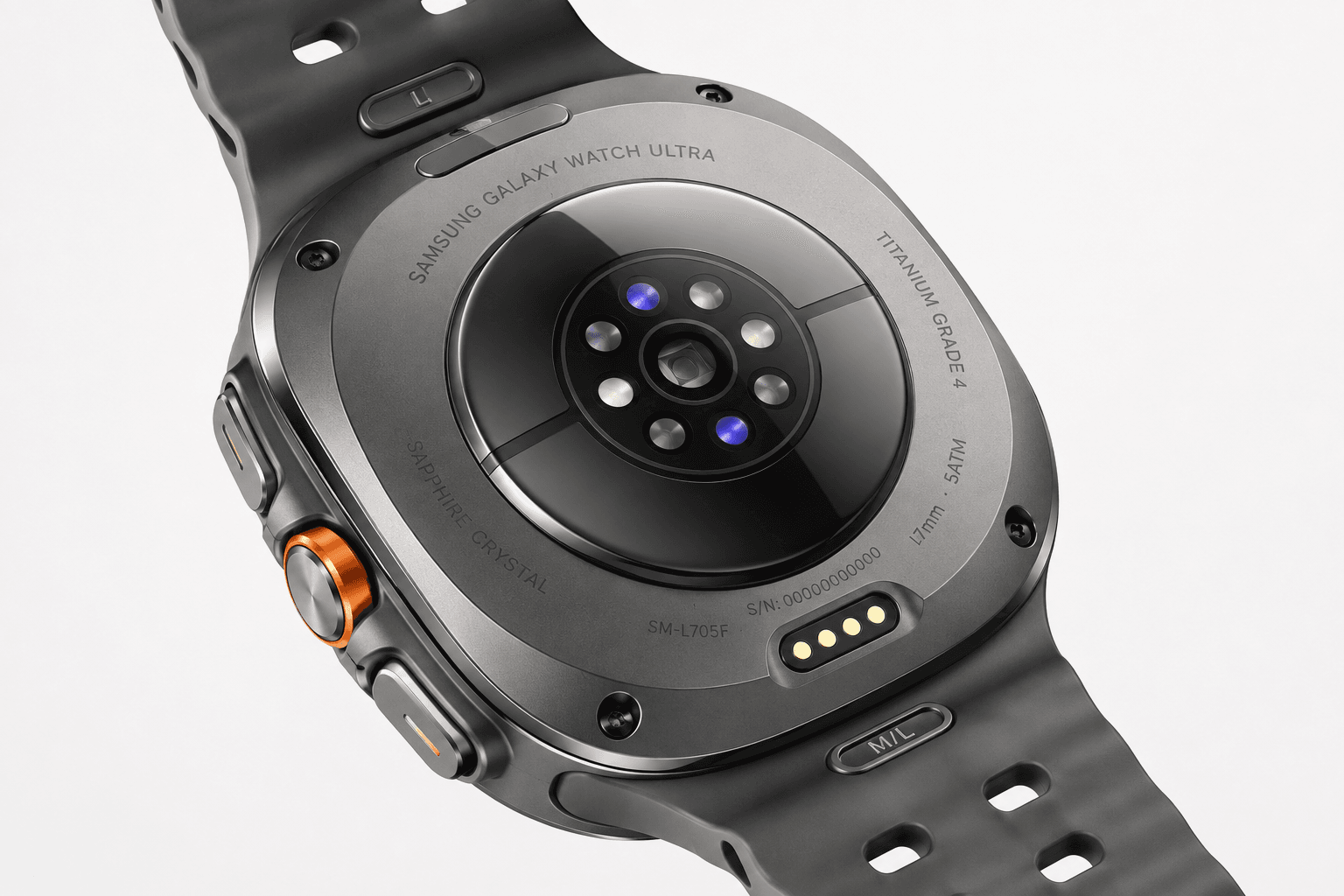
Sensors are where the engineering budget went. A multi-channel optical heart rate monitor works alongside GPS, which is the spec that matters when you are running under tree cover or between tall buildings. Two frequencies give the receiver a better shot at holding a lock where single-band watches start drawing routes that wander through buildings. Continuous heart rate, sleep architecture analysis and automatic activity recognition fill out the health stack, with Galaxy AI layered over the top for recovery and energy scoring.
Battery is the interesting trade-off. A bigger case means a bigger cell, and Samsung positions this one for multi-day operation on a normal notifications-and-steps routine, with power-saving modes that throttle background polling during long activities. Drive a bright AMOLED, an LTE radio and dual-frequency GPS at the same time, though, and that headroom evaporates. Physics, not a design flaw. Next to a lighter watch like the Pixel Watch 3 it is the endurance pick; next to a monochrome expedition watch, it is not.
Key Specs and Compatibility
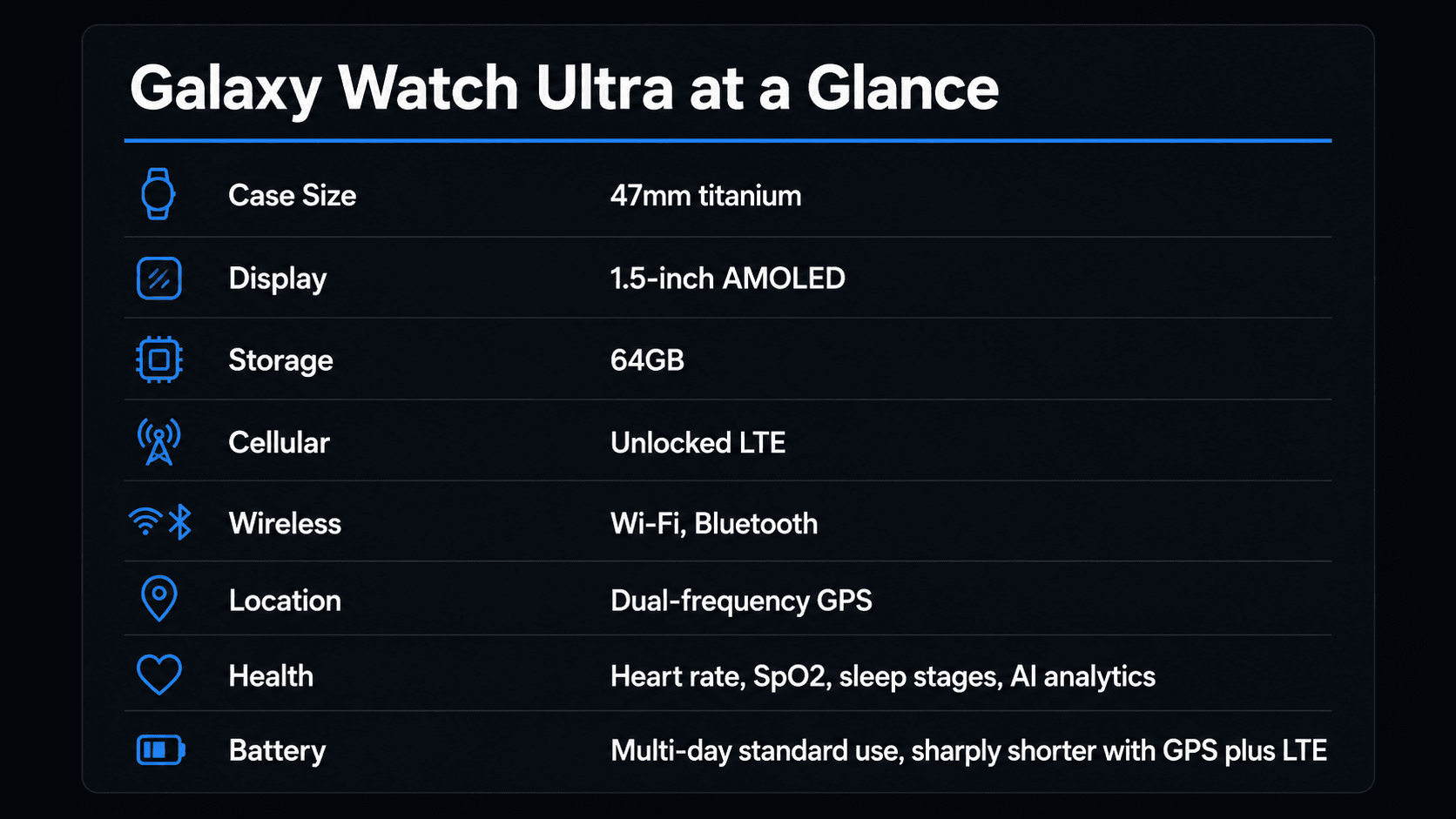
The published hardware, gathered in one place, is the fastest way to see what class of device this is before the marketing language gets involved.
Specification
Value
Case Size
47mm
Display
1.5-inch AMOLED
Internal Storage
64GB
Cellular Connectivity
Unlocked LTE
Wireless Connectivity
Wi-Fi, Bluetooth
Location Tracking
GPS Fitness Tracker
Health Sensors
Heart Rate Monitor, AI Analytics
Primary Category
Wearables / Smartwatch
Included Accessory Bundle
Fast Charger Cube
It pairs natively with Android smartphones through the Samsung Health platform, using Bluetooth, Wi-Fi and LTE to synchronize telemetry and connect external fitness sensors.
Samsung Galaxy Watch Ultra Review: What Stands Out
Design first. The ruggedized 47mm titanium casing and blocky outdoor geometry make no attempt to pass as a dress watch, and that is the entire point. Endurance athletes, outdoor users and Android power users who want physical durability without surrendering a full app platform are the target audience, and the high-brightness 1.5-inch AMOLED is specified for legibility in direct sun — precisely the condition where most smartwatch screens quit being useful.
On the hardware side, multi-channel sensors and dual-frequency GPS attack the same problem from two directions: signal quality where signal is scarce. Forest canopy. Urban canyons. Deep valleys. Less drift in the logged track means workout distances you can trust rather than distances you have to mentally correct. Built-in LTE covers audio streaming, calls and messages on a long run with the phone left at home, and the reinforced chassis adds water and dust resistance that aluminum everyday wearables do not offer.
Health tracking leans on synthesis rather than raw numbers. Continuous heart rate, blood oxygen saturation and sleep cycles feed composite daily energy scores that answer one question: push a hard session today, or take the recovery day. Sleep coaching splits the night into stages and breathing metrics instead of handing you a single number. Garmin still owns navigation-first, multi-week tracking with watches like the Venu 3. Samsung's counter-argument is that you keep most of the athletic metrics and add a real app ecosystem, proper notification handling and a display worth looking at.
Strengths
Day to day, the spec sheet points to two clear advantages: screen and ecosystem. A 1.5-inch AMOLED leaves room for real-time heart rate zones, multi-field workout layouts and turn-by-turn map prompts without cramming three data points into a space meant for one. Wear OS brings third-party fitness apps, mapping utilities and contactless payments along with it, so the watch earns its wrist space well beyond step counting.
Health monitoring runs in the background with no manual input required. Heart rate sampling continues through training sessions and catches spikes and drops, sleep logging happens automatically overnight, and auto-detection picks up common activities like running and cycling on the days you forget to hit start. LTE is the quiet advantage here — leave the phone, stay reachable, still get the emergency call if something goes wrong ten miles out.
Against smaller daily watches like the Pixel Watch 3, the durability gap is structural rather than marginal: a titanium case and reinforced chassis instead of aluminum, plus considerably more display to work with. For anyone already inside Samsung's ecosystem, health history, alarms and daily activity targets sync across devices with no extra configuration, which is the kind of small convenience you only notice when a rival watch makes you rebuild it all by hand.
Weaknesses
Size is the first trade-off, and it is not subtle. A 47mm titanium case is a lot of watch, and on a smaller wrist that bulk matters most during sleep tracking and fast athletic movement where wrist flexibility counts. The raised bezel sits proud of the case too, which makes it a poor companion to a shirt cuff and rules it out as an understated everyday piece.
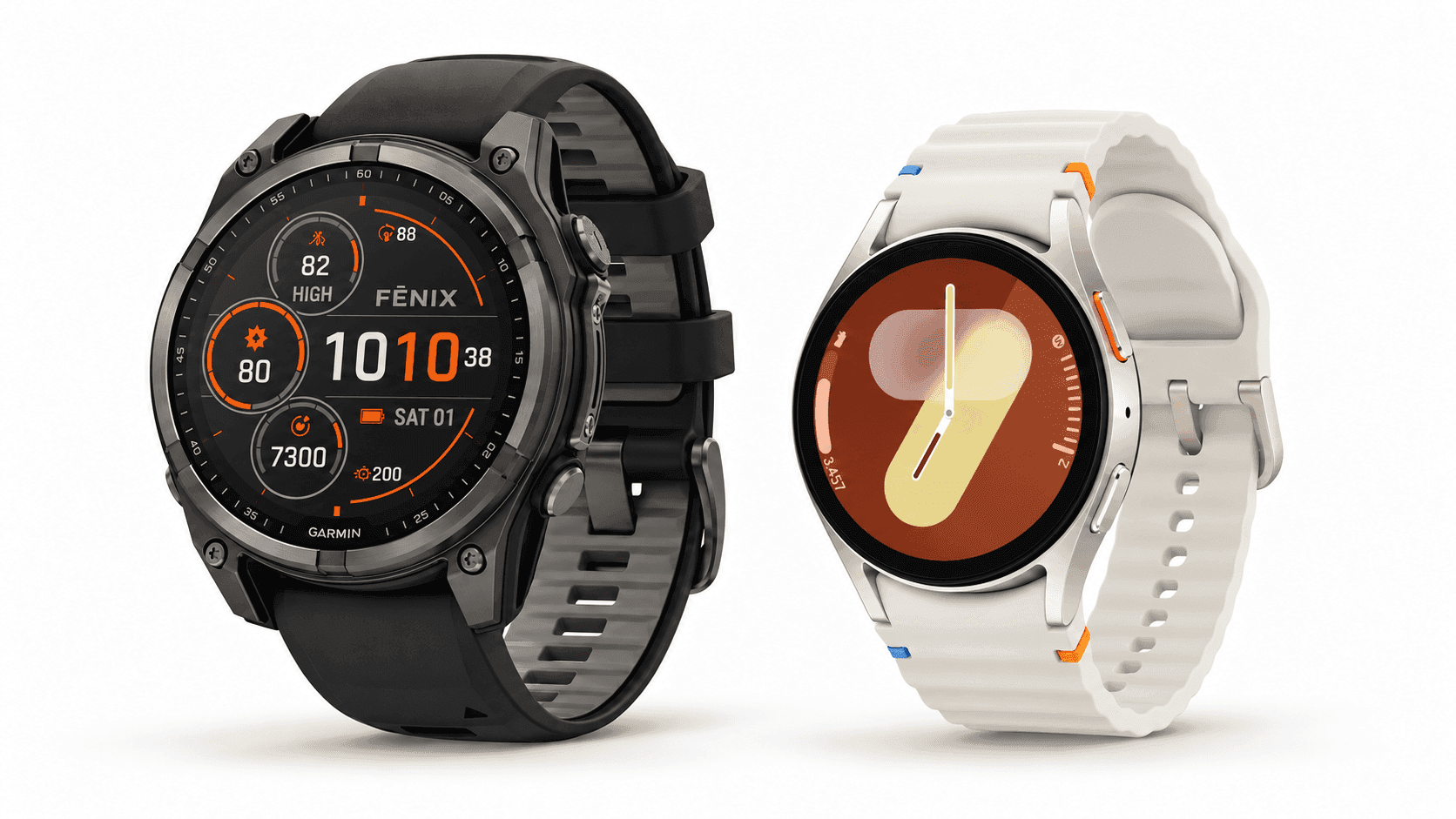
Battery is the second. The larger cell outlasts standard daily Wear OS watches in ordinary use, but running dual-frequency GPS, always-on display, LTE and full biometric tracking together stacks four power draws on one cell, and runtime falls off accordingly. If your definition of a long day is a multi-day backcountry route or an ultramarathon with no charging stop, dedicated sports watches from Garmin are built for exactly that. This one is not.
Then there is the ecosystem catch. Certain advanced health metrics and the AI-driven daily readiness insights require pairing with a Samsung smartphone running the companion health app, so a Pixel or OnePlus owner receives a trimmed version of the feature list they paid for. Pricing sits well above standard smartwatch territory as well, which means the titanium, the cellular radio and the rugged build have to justify that gap against your actual routine — otherwise a conventional fitness smartwatch is the smarter purchase.
Best Alternatives
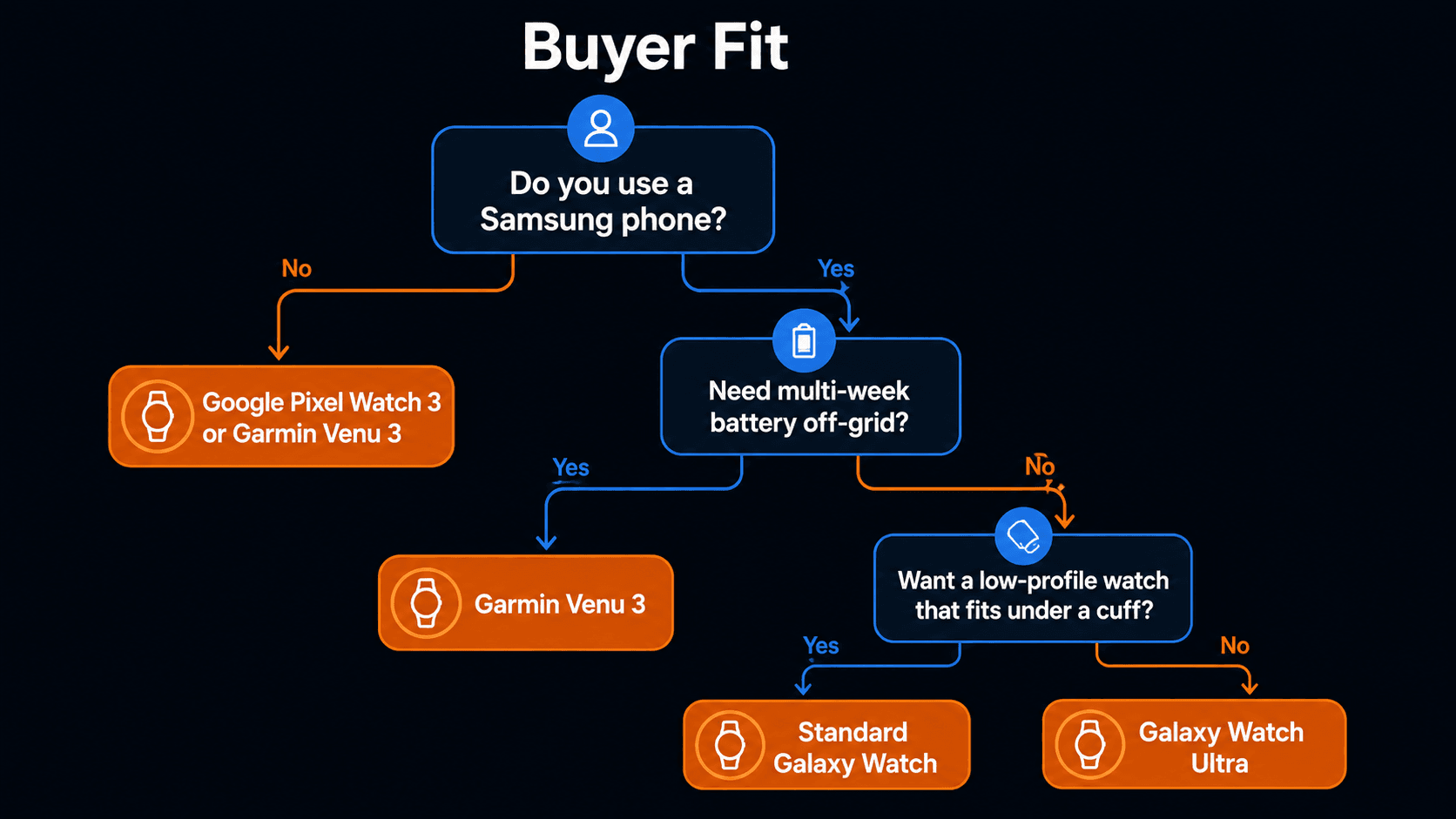
Google Pixel Watch 3 (41mm, LTE) is the natural cross-shop for anyone who prefers a minimal design with deep Google and Fitbit integration, running Wear OS 5 with solid heart rate tracking and running analytics. The trade-off is plain: you give up the rugged case and the endurance headroom for a 47mm case and up to 60 hours of battery life, fine for daily fitness and hopeless for a weekend in the backcountry.
Garmin Venu 3 goes the other direction entirely. A 1.4-inch AMOLED in a 45mm case, up to 14 days of battery life, built-in GPS and Garmin's health suite covering Body Battery, Sleep Coach, SpO2 and heart rate monitoring. The trade-off: no cellular independence and no Wear OS app ecosystem, in exchange for battery life measured in weeks rather than days.
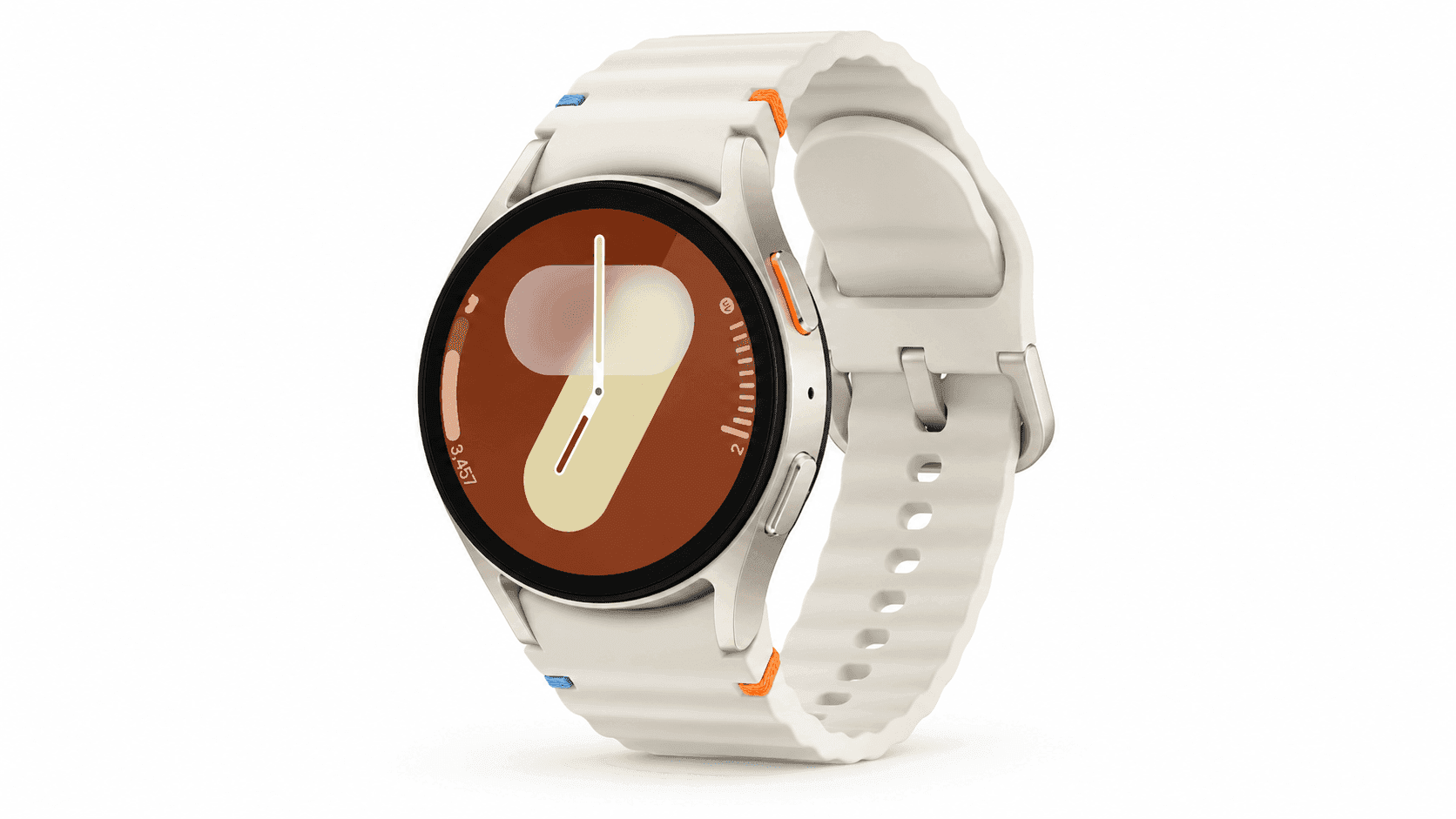
Staying inside Samsung, the standard Galaxy Watch line is the lighter play. You lose the enlarged 47mm chassis, the extra-rugged materials and the bigger battery, and you gain a watch that disappears on the wrist and costs meaningfully less. Choose by what you would regret more on a Saturday: carrying the extra weight all day, or watching the battery indicator drop halfway up the climb.
Who Should Buy It
Buy it if you are an outdoor user, endurance athlete or heavy smartwatch power user already living inside Samsung's ecosystem. Rugged construction plus comprehensive biometrics plus location tracking in a single 47mm package is the pitch, and the 1.5-inch AMOLED gives you enough surface to read navigation maps and live health metrics without digging through submenus mid-effort — useful on trail runs, mountain bike descents and backcountry treks alike.
Power users get the other half of the argument. Built-in LTE and 64GB of onboard storage mean streaming audio, handling calls and running Wear OS apps through a two-hour workout with no phone anywhere nearby. Own a Samsung handset, want the most durable wearable the company makes, and want detailed health tracking with an aggressively outdoor look? The fit is obvious.
Commission may be earned from this link, at no extra cost to you.
Who Should Skip It
Skip it if you want a tracker you forget you are wearing. The 47mm casing is heavy going for all-day and overnight use on a smaller wrist, and if you value a watch that slides under a dress shirt or jacket cuff, a 41mm Google Pixel Watch 3 is the far more practical shape for your week.
Non-Android users are out as well. Apple iPhone owners cannot use Wear OS smartwatches due to platform incompatibility. Battery purists planning multi-week trips off grid should also shop elsewhere: a Garmin Venu 3 with its 14-day battery life keeps logging GPS long after any full-featured Wear OS smartwatch has gone dark.
Sources & References
Specifications and claims in this analysis were cross-referenced against the sources below.
Multi-day on a normal routine of notifications, steps and sleep tracking. Switch on dual-frequency GPS, always-on display and LTE together and you drop into single-session territory instead. Week-long logging without a charger is not what this watch was built for.